

In May 2010, my Nokia 2300 trilled with a text message.
"What happened at The Weekender?"
It was signed Kalinaki—and there was only one person I knew by that name. He had been my newspaper editing and design and layout lecturer at Makerere University in 2005 and 2006. At the time, Daniel Kalinaki was the Managing Editor of the Daily Monitor.
The Weekender was a short-lived lifestyle weekly founded by a group of young creative society journalists, including Gilbert Mwijuke, Alex Balimwikungu, Emmanuel Ssejjengo, and photographers Nicholas Kajoba and Yasin Kironde. I had joined the team as sub-editor, working in a dingy cubicle at Namaganda Plaza near Nakasero Market.
Without financial backing, the paper folded shortly after its launch, starting with the Christmas 2009 edition that featured Joy Doreen Biira on the cover.
After I explained our struggles, Kalinaki’s next text took me aback:
"Would you like to join the subbing team at Monitor?"
At that point, I was jobless. The New Vision had only pulled back Ssejjengo from our cohort of ‘deserters.’ Others would return later. This message from DK—as we affectionately called him—felt like manna from heaven.
Still, I had to play it cool. I replied that I was open to the offer but had “some things to sort out.” In reality, the only thing I needed to sort out was washing the only pair of boxers I owned at the time.
"Great! When you're ready, you holla at me," he texted.
The casual phrasing pulled me aside into disbelief. Could this be the same revered lecturer who had shaped my understanding of editing and news judgment?
A few days later, I texted DK to say I was ready. He asked me to see Don Wanyama, the Chief Sub-Editor, and I soon found myself writing features under the guidance of Carol Beyanga—the editor who made me abandon any thought of ever plagiarising a story, after she caught me submitting quotes from a counselling psychologist I had not yet interviewed.
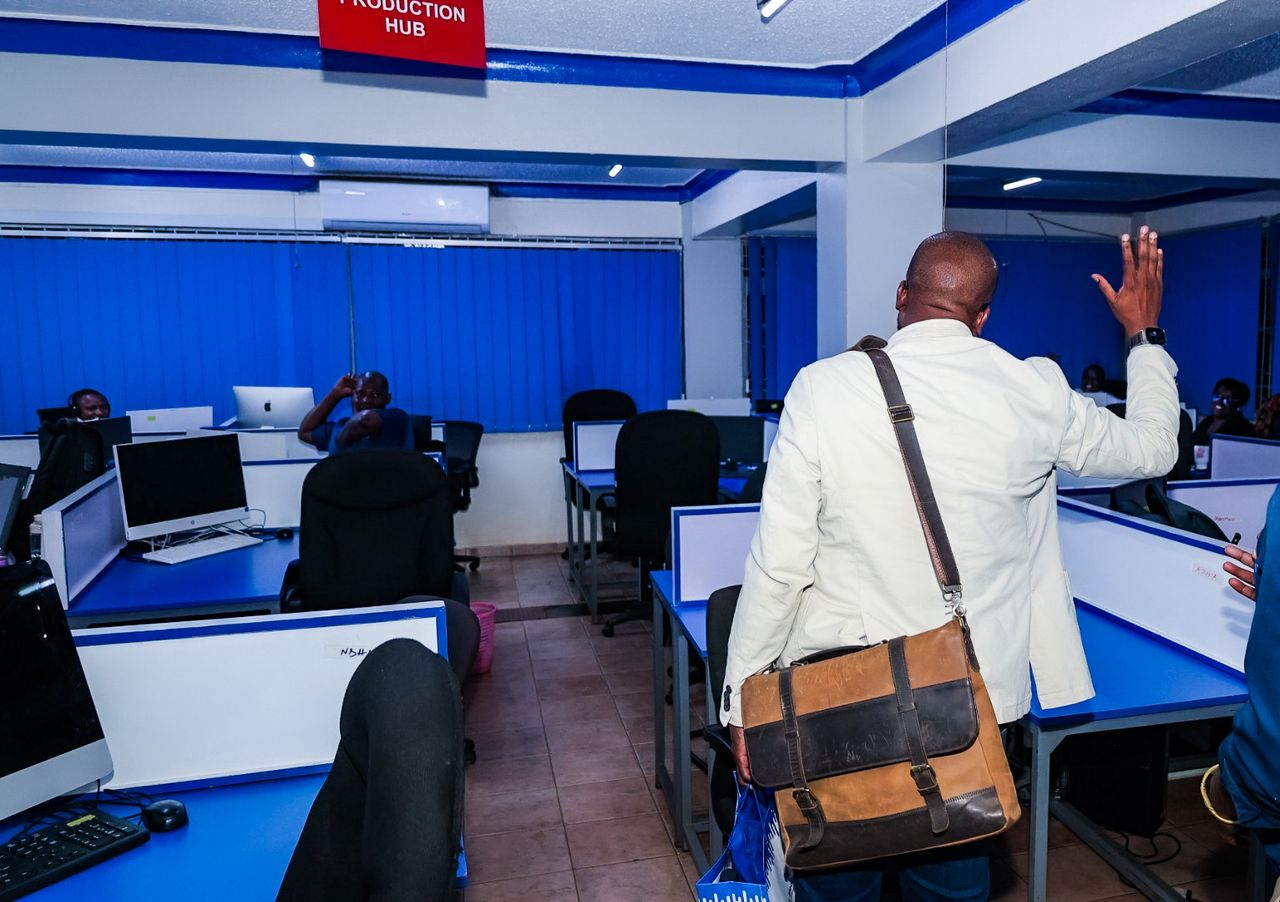
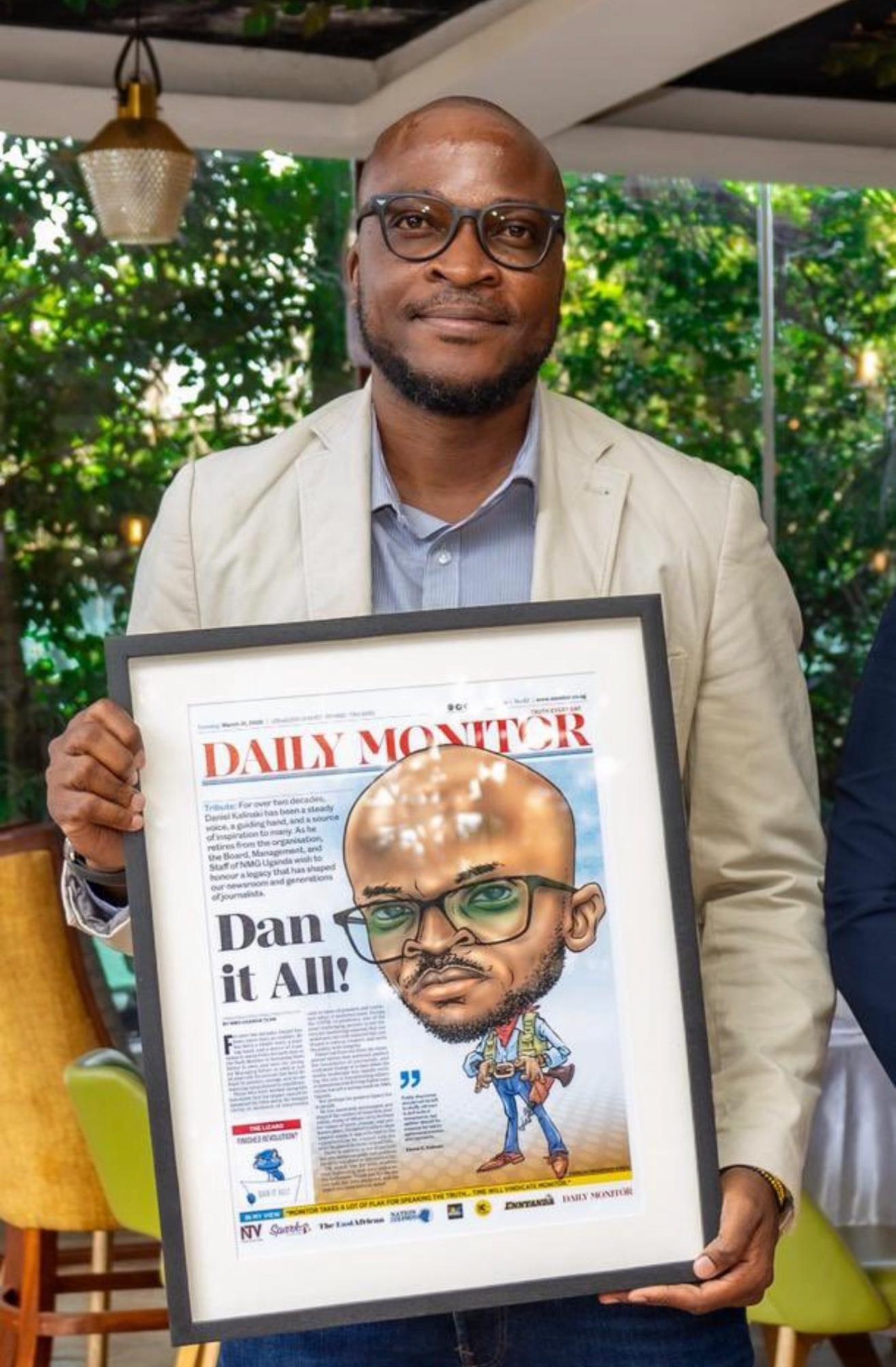
On Tuesday, March 31, the curtains came down on DK’s tenure at Monitor, a paper he joined in 1998 after his previous employer, The Crusader newspaper, closed. Emotions ran high at the Namuwongo headquarters as journalists bid farewell to a gentle giant and a brother figure. He was always young at heart, so “father figure” wouldn’t quite fit—but he was more than that for many of us.
An arch formed from newspapers marked his exit, a symbolic path through which he traced his final steps from the brown building in Namuwongo. Brilliant to a fault, DK was not only a journalist, editor, and media manager, but also a mentor for young reporters. When we depended on vouchers for sustenance, he approved them without hesitation.
I remember one day, working on a copy, when DK walked past and at a glance took over my keyboard.
"It’s a dog's life for the man who stole goats," he typed in my headline space faster than I could follow.
It was a story from Tororo about a man who stole a goat and was hacked by villagers, with one of his arms completely severed. In seconds, DK taught me that headline writing could be witty and precise, more than just the punchy hard-news format.
After a rollercoaster career that took me across the thousand hills of Rwanda, I found myself needing DK again in 2019. He found a way in for me, and the journey resumed.
And DK was understanding. When I wrote an editorial critical of the First Lady’s handling of the Ministry of Education, the State House came down hard. DK was strict until I admitted my error, then softened, giving fresh instructions on handling sensitive content.
Daniel Kalinaki, who retired at the rank of General Manager – Editorial, rose from reporting and sports sub editor and News Editor in 2003 to become the youngest Managing Editor of the Daily Monitor in 2008 at just 28 years old.
He also led the Kampala Bureau of The East African newspaper and oversaw editorial operations in Uganda during the COVID-19 pandemic.
Kalinaki’s influence goes beyond his bylines and managerial roles. He steered landmark investigations, broke major stories, and mentored countless journalists, shaping independent journalism in Uganda.
He championed digital transformation at Monitor, ensuring the publication stayed relevant as readership shifted online.
As his colleagues reflect on his career, what remains most vivid for me is his mentorship, his unwavering support, and the way he quietly changed the trajectory of my life.
Emotions may run high, but for all of us who owe him a piece of our careers, the tribute is simple: thank you, DK, for making me the journalist I am today.
