

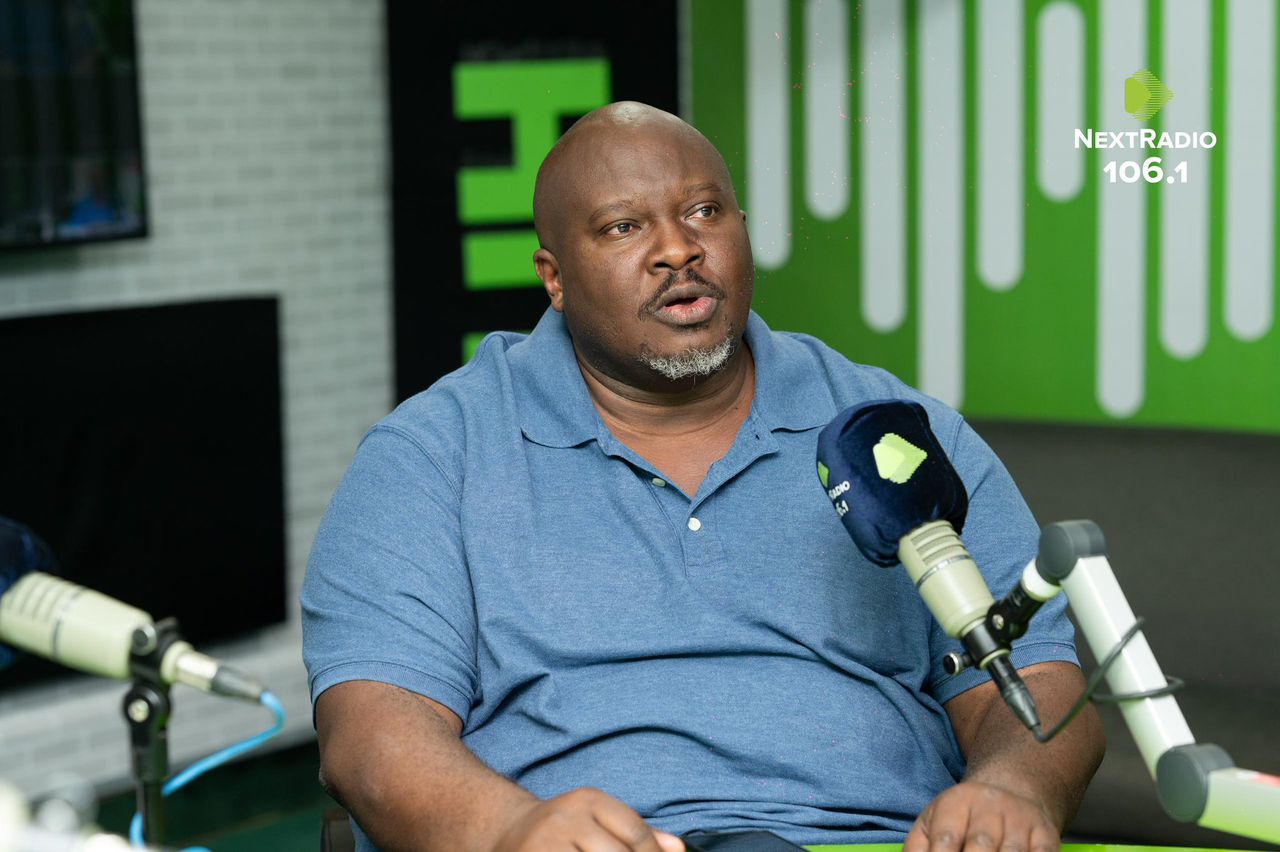
Lawyer and political analyst Edgar Tabaro has urged Ugandan politicians to embrace dialogue as a tool for building sustainable political systems, warning that missed opportunities for engagement often delay justice and reconciliation.
Speaking on Next Big Talk, hosted by Canary Mugume on Next Radio on Saturday, Tabaro emphasized that both formal and informal dialogue is critical for fostering long-lasting political systems and responsible leadership.
“Politicians should engage in dialogue, whether informally or formally, because it builds durable political systems and leadership,” he said.
Tabaro cited moments in Uganda’s recent history when dialogue could have reshaped political outcomes.
He recalled occasions when President Museveni publicly apologized for atrocities committed against the Acholi people by the National Resistance Army (NRA) during counter-insurgency operations—most notably at the funerals of the late Andrew Adimola and Okeny Atwoma.
“Those moments presented an opportunity for Acholi leaders to push for structured dialogue, accountability, and redress. I think they lost the chance to engage, seek redress for some of the excesses, and establish a new political order,” he said.
Tabaro also called for restraint within opposition politics, specifically urging members of the National Unity Platform (NUP) to de-escalate what he described as rising extremism.
“I’m calling on my brothers and sisters in NUP to tone down on the extremism,” he added.
His remarks come days after a delegation of opposition MPs, led by Mawokota South MP Yusuf Nsibambi, met President Museveni at State House Entebbe to discuss national stability and reconciliation following the January 2026 general elections.
In an exclusive NBS TV interview, Nsibambi said the meeting focused on easing political tensions and promoting unity after a highly charged electoral period.
“The meeting was about peace and reconciliation for the development and stability of the country, especially after the general elections that left some people’s tempers high,” he said.
Key issues discussed included political prisoners. Nsibambi revealed that the delegation appealed to President Museveni to consider pardons for hundreds of detainees linked to political activity and raised concerns over the continued incarceration of NUP Buganda Deputy President and Butambala County MP Muhammad Muwanga Kivumbi, calling for an independent investigation.
Nsibambi’s decision to meet the President without wider opposition consultation drew criticism, but he defended his actions as independent and in the national interest.
“No one sent me to the opposition. I’m an elected MP, and I’ll engage with whoever I deem necessary for the good of my constituents and the country,” he said.
Other opposition legislators who attended the meeting included Okot Bitek (Kioga County, FDC), Robert Centenary (former Kasese Municipality MP and Deputy President of FDC Western), Moses Kabusu (Kyamuswa County, PFF), Roland Ndyomugyenyi (Rukiga County), Fred Kayondo (Mukono South, DP), Richard Lumu (Mityana South, DP), and Latif Ssebagala Ssengendo (former Kawempe North MP), among others.
