

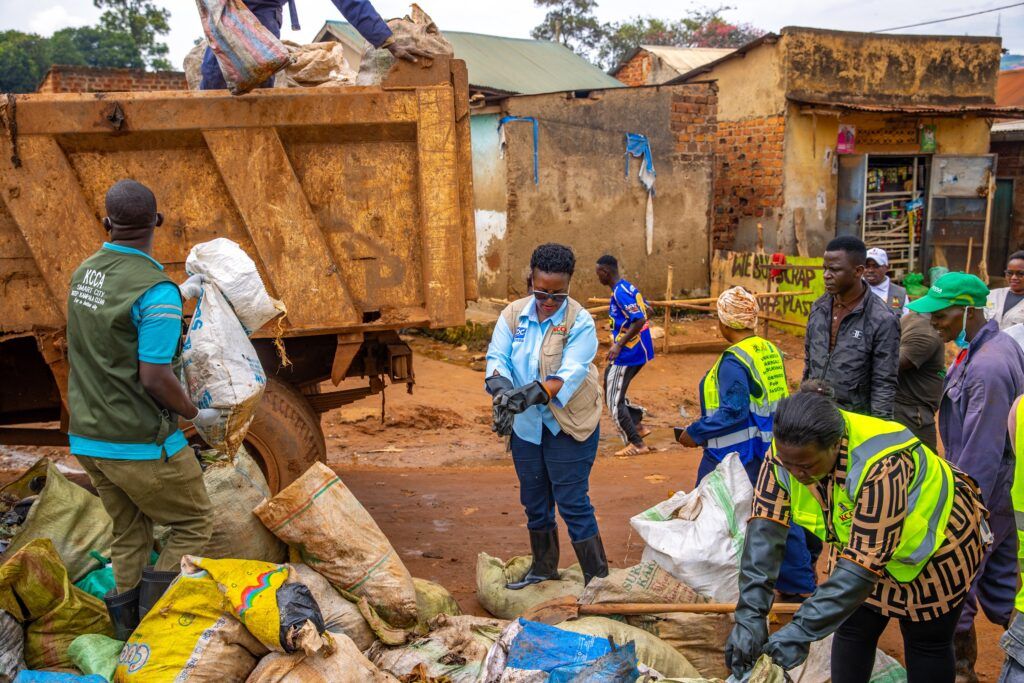
Every plastic bag tossed into a drainage, every heap of uncollected garbage, and every waste fire lit in a community comes with a price tag – and Uganda is paying heavily for it.
Uganda’s urban areas generate over 2,500 metric tonnes of solid waste daily, yet less than half is properly collected and disposed of. The rest ends up in open spaces, wetlands, or water channels, silently eroding public health, infrastructure, and the environment. The question is not whether we are paying for poor waste management — it is how much.
The Hidden Bill of Neglect
According to the Environment for Development Centre at Makerere University, Uganda loses an estimated UGX 4.4 trillion each year due to unmanaged and uncommercialized waste — an amount equivalent to nearly 3% of the country's GDP. This loss stems from missed opportunities in recycling, composting, and generating energy, along with the mounting costs of disease treatment, clean-ups, and disaster damage.
A report by Parliament Watch Uganda further revealed that poor sanitation and waste management cost the government up to UGX 4 trillion annually due to health impacts and water contamination. Combined, these losses rival the national education and agriculture budgets.
Floods and Infrastructure Damage
The consequences are visible after every heavy downpour. Plastic bottles and debris clog city drainage systems, creating flash floods that paralyze movement and destroy property.
In August 2025, dozens of Kampala roads — from Clock Tower to Kalerwe — were submerged for hours after drainage channels overflowed due to blocked waste. Traders lost millions in soaked goods, traffic ground to a standstill, and health risks rose as stagnant water became a breeding ground for mosquitoes.
The Ministry of Works and Transport attributed most of Kampala’s floods to poor waste disposal, noting that no drainage system, however modern, can handle garbage-choked watercourses. The Nakivubo Wetland alone, before its degradation, saved Kampala UGX 14 billion annually in water treatment costs, showing how nature’s “waste systems” once paid for themselves.
The Public Health Toll
The 2024 National Population and Housing Census data shows that 91.6% of Ugandan households dispose of waste improperly — either by dumping or burning it.
This practice fuels a range of health disasters. Blocked drainage and stagnant water trigger cholera and dysentery outbreaks, while open dumping creates habitats for flies and rodents that spread typhoid and malaria. Rural families who burn their rubbish inhale harmful toxins, increasing the risk of respiratory disease.
Medical facilities are also overwhelmed. Treating one cholera outbreak costs public hospitals hundreds of millions of shillings in emergency response and patient care. It is the poor who pay twice — first through sickness and then through lost income.
Environmental and Agricultural Damage
Uganda’s waste crisis is also a silent environmental catastrophe. The Nakivubo wetland degradation, for example, has led to contamination of Lake Victoria, resulting in declining fish stocks and an estimated UGX 32 billion loss in annual fisher income.
In peri-urban areas like Wakiso and Mukono, improper dumping has turned fertile farmland into wastelands, with crop productivity dropping by 40–60% due to contaminated soil. Farmers near dumping sites lose up to 30% of their land value and face shrinking market access because their produce often carries traces of toxic metals.
These cascading losses not only harm livelihoods but also increase food insecurity and threaten Uganda’s agricultural backbone.
What We’re Really Throwing Away
The waste in our streets could power Uganda’s economy if managed better. Experts say up to 60 megawatts of electricity could be generated from Kampala’s waste alone, enough to power tens of thousands of homes. Composting plants established in cities like Soroti and Jinja once created green jobs — until mismanagement and waste contamination shut many down.
Indeed, every bottle, peel, or can tossed away is a wasted resource. If recycled, these materials could birth new industries, create jobs, and reduce Uganda’s dependency on imports.
The Way Forward
Uganda’s waste management crisis is both a civic and economic opportunity. Addressing it will require stronger enforcement of existing regulations, better city planning, incentives for recycling, and most importantly, citizen behavior change.
Dr. Luyima, an environmental scientist, captured it best: “Every day we delay, the price tag gets higher. But every shilling invested in proper waste management yields five shillings in avoided costs and new opportunities.”.
Investing in organized waste collection, promoting household recycling, and protecting wetlands can save lives, create jobs, and make our cities resilient.
These critical issues and more will be center stage at the Uganda Environment Forum on 30th October 2025, at Next Media Park. This gathering is a platform for all stakeholders to discuss solutions, inspire action, and turn the tide on Uganda’s waste crisis. For a cleaner, safer, and more prosperous future, every voice and every effort counts.
