

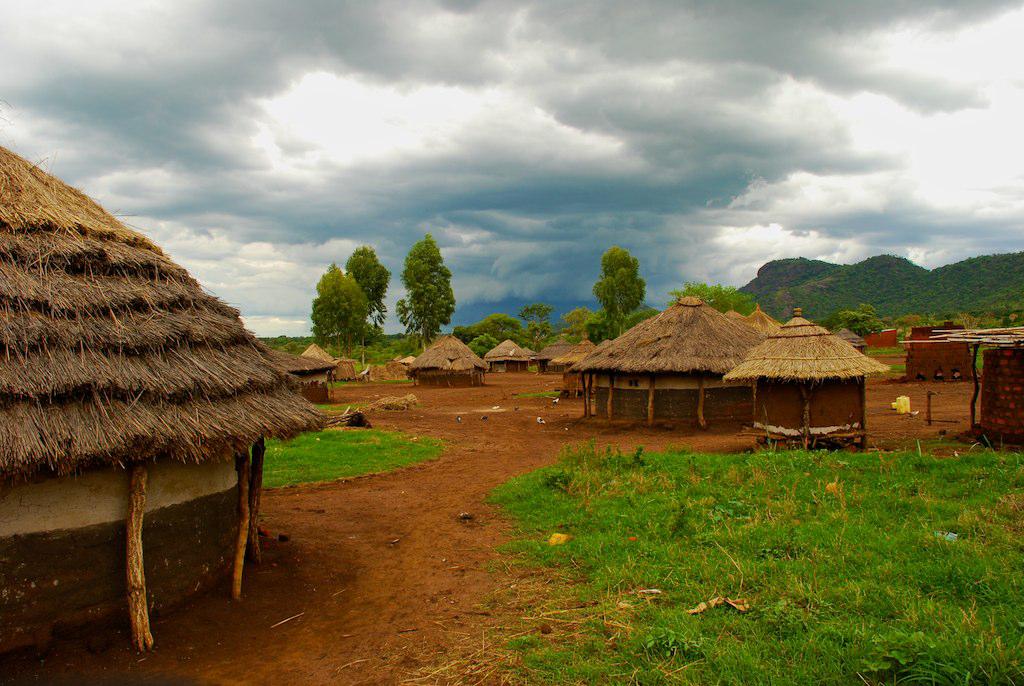
For decades, politics in northern Uganda was shaped by the scars of war, with campaign promises revolving around ending the Lord’s Resistance Army insurgency and protecting contested land such as Apaa and Aswa Ranch.
But with the guns silent, the electorate has shifted its attention to new priorities—services, jobs, and accountability.
For many years, politics in northern Uganda was defined by calls to end the insurgency. Every campaign promise, whether from presidential contenders or local government aspirants, revolved around peace recovery and the protection of land.
However, in recent years, this has changed. The guns may have gone silent, yet a pressing question lingers: what do voters in northern Uganda really want today?
“A person whose input has really been seen—if that person contesting has been in parliament—what has he or she done in parliament, what has he or she also done in the constituency?” asks Okello, a resident of Gulu City.
Locals say issues have shifted to access to quality health care, improved education, better roads, markets for agricultural produce, and job opportunities for young people.
In a community long scarred by war, land disputes remain sensitive, but the demand for service delivery has overtaken conflict narratives.
Businessman George Aligech argues that voters want principled leaders. “We want leaders who stand their ground, leaders who do not change goal posts. Those are the people we want,” he said.
Religious scholar Emma David observes that the propaganda of war no longer moves voters; integrity and delivery now matter most.
“The people are poor, so once they are given salt, sugar and five thousand Uganda shillings, their mindset is biased and compromised,” he said.
Bernard Loum, a governance expert, points to persistent challenges in health care. “In Acholi Sub-region, we still have facilities that don’t have drugs, or even face frequent drug stockouts,” he noted.
At one point, the LRA war was the propaganda politicians used while in office.
At the grassroots, leaders echo the same sentiment. Kenneth Okello, a Gulu District councilor, stresses the value of manifestos and individual merit.
“I think party does not matter, rather manifesto, because a party is an institution that organizes its individuals to participate in an election. But the manifesto of that candidate is what matters the most,” he said.
According to Emma David, politicians have long exploited voter ignorance. “They have constantly lied and peddled ignorance to the voters, and that has resulted in untrusted persons being elected to most positions far from the place of competence,” he added.
The 2021 general elections saw the ruling National Resistance Movement (NRM) claim a significant share of seats in the region.
Yet a debate persists: did they win because they presented better alternatives, or simply because they were the most popular option?
