

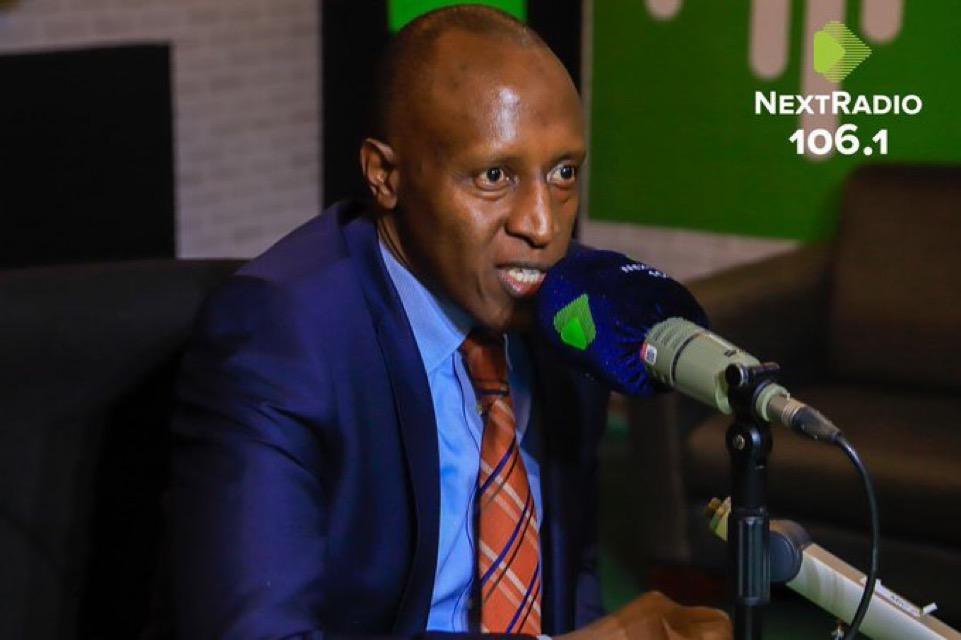
Prominent legal expert Counsel Brian Katana has challenged Uganda’s entrenched election-driven political culture, arguing that true public service does not depend on holding elected office but can also be achieved through policy, advocacy, and reform work.
His remarks have ignited fresh debate about the meaning of leadership in Uganda’s fragile democracy.
“Public service is not limited to holding political office,” Katana said. “There are many impactful roles in policy, advocacy, and legal reform where one can contribute meaningfully to the nation’s progress.”
Katana’s comments come at a time of heightened political tension, with President Museveni extending his rule beyond three decades and opposition voices continuing to face restrictions.
His stance echoes a 2025 International Crisis Group report that warned of growing public frustration and called for wider democratic reforms.
In Uganda, political legitimacy has long been tied almost exclusively to electoral victories, leaving little room for non-elected actors in governance.
Katana warned that this fixation risks excluding skilled professionals and thought leaders who could play crucial roles in strengthening democratic institutions.
“By equating leadership solely with election wins, we risk excluding skilled professionals and thought leaders who can strengthen democratic institutions from within,” he noted.
His critique broadens the conversation on civic engagement, highlighting the undervaluation of non-elected expertise in a political system dominated by the ballot box.
It also serves as a call to reimagine leadership in ways that embrace diverse forms of public contribution.
As Uganda prepares for the 2026 general elections, Katana’s intervention adds to growing calls for redefining leadership and national service beyond electoral competition, potentially shaping discourse on the country’s political future.
