

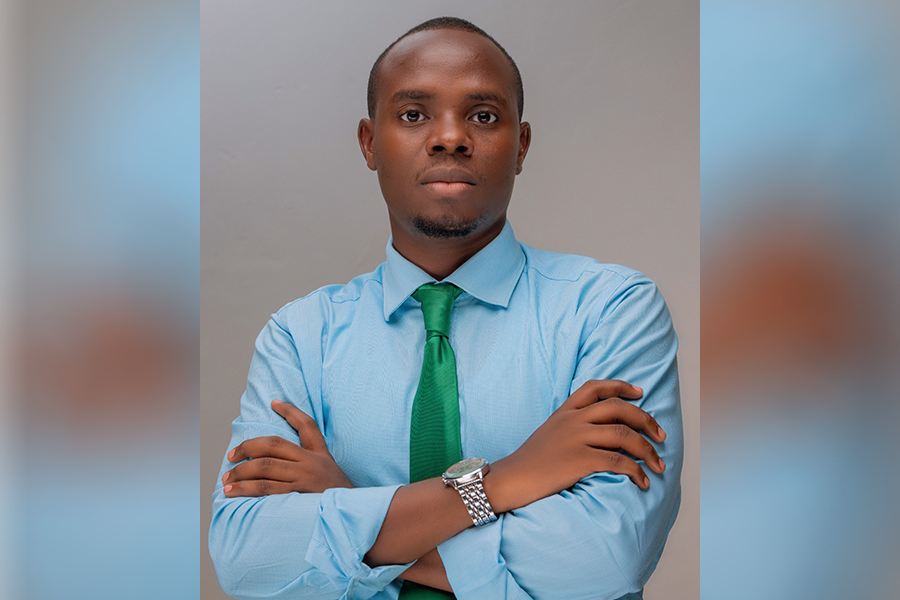
By Byayesu Agrippa Musinguzi
Leaving a law exam on the evening of May 11, I checked my phone and discovered a missed call from Democratic Party First Lady and 2026 Lord Mayor candidate Beatrice Mao. When I returned the call, she informed me that my invitation card to President Museveni’s swearing-in ceremony had been left with the DP Deputy Treasurer.
Excitement instantly replaced my exam stress. For the first time in my life, I would attend one of Uganda’s most significant state ceremonies.
On the morning of May 12, 2026, I proudly wore my “Norbert Mao is Priceless” shirt and headed to Kololo Ceremonial Grounds. I was not only going to witness the swearing-in but also to represent my Democratic Party identity as a young democrat.
What struck me most was not simply the glamour of the event, but what it revealed about politics, power, and the future of Uganda.
At the entrance, military officers efficiently guided guests onto shuttle buses to ease traffic congestion. Inside the shuttle were ministers, MPs, and invited guests dressed in suits and yellow NRM attire. The atmosphere was surprisingly relaxed and united.
Although political affiliations were obvious, everyone shared the same excitement about witnessing a national event. That moment made me reflect deeply: if another political party took power tomorrow, would supporters from different parties feel equally welcome? Would national ceremonies belong to all Ugandans, or only to those wearing the ruling party’s colours?
Inside the pavilion, I sat near senior NRM figures, public personalities, clergy, diplomats, and officials from across the region. The ceremony unfolded with military precision — from the parade inspection to the air displays and cultural performances.
What stood out most was the discipline and professionalism of the security forces. Growing up, many Ugandans associated the army with fear because of Uganda’s troubled political history before 1986. Yet at Kololo, I saw an institution projecting order, patience, and coordination.
As a student of literature and law, I could not help but interpret the deeper meaning beneath the spectacle. Beyond the red carpets and ceremonial displays lay a bigger question: can Uganda’s politics evolve from endless confrontation into constructive engagement?
Politics in Uganda often feels like permanent warfare between government and opposition. Yet both sides claim to love the same country. What if national interest came before political hostility? What if dialogue replaced suspicion?
That is why I appreciated the presence of Democratic Party president Norbert Mao at the ceremony. Regardless of political disagreements, his attendance reflected a willingness to engage within Uganda’s democratic space rather than isolate himself from it.
I also noticed that the Leader of Opposition had been invited but did not attend. While political protest is legitimate, absence from important national moments risks denying leaders the opportunity to observe, engage, and influence from informed positions.
Uganda’s future cannot be built entirely on political antagonism. Opposition politics should not only be about resisting power, but also about presenting workable alternatives, promoting accountability, and advancing national unity.
Ordinary Ugandans are tired of endless political hostility while poverty, unemployment, and corruption persist. They want leaders capable of dialogue, compromise, and practical solutions.
As Uganda enters another political term, this should be a wake-up call to both government and opposition: the country’s future matters more than partisan victories. True leadership will come from those willing to put Uganda before political camps.
