

By A Volunteer Presidential Advisor
“When beggars die, there are no comets seen; the heavens themselves blaze forth the death of princes,” William Shakespeare wrote in Julius Caesar.
Was Shakespeare not speaking, in some distant way, to our own history — to the death of Archbishop Janani Luwum, and to the many ordinary Ugandans who have also perished in political violence since independence?
Why is it that, while death is the ultimate unifier of princes and beggars, only some lives are remembered with national ceremony?
Each year, the life of Archbishop Janani Luwum is commemorated. Yet hundreds of thousands — some say millions — of other Ugandans who lost their lives to political violence before and after his murder 49 years ago remain largely unacknowledged. It would seem that their anonymity in death mirrors their anonymity in life.
Most of Uganda’s 45 million citizens born on February 17, 1977 — the day Archbishop Luwum was killed — cannot relate to him personally.
But nearly every one of them can relate to a parent, a relative, a schoolmate, or a colleague who was lost during Uganda’s turbulent and blood-stained history since the British departure.
I am one of them. You are likely one as well.
Even President Museveni belongs to this fraternity of loss. He lost friends and fighters before, during and after the liberation war.
For many families, the annual celebration of Archbishop Luwum’s illustrious life serves as a painful reminder of their own unacknowledged grief — the loss of those closer to their own blood-pumping hearts.
Granted, one life lost to political violence is one too many.
Being related to former president Milton Obote places me and other members of the Oyima clan in a uniquely painful position. The two coups against Obote targeted him and his relatives first. But this reflection is not about personal grievance; it is about national loss.
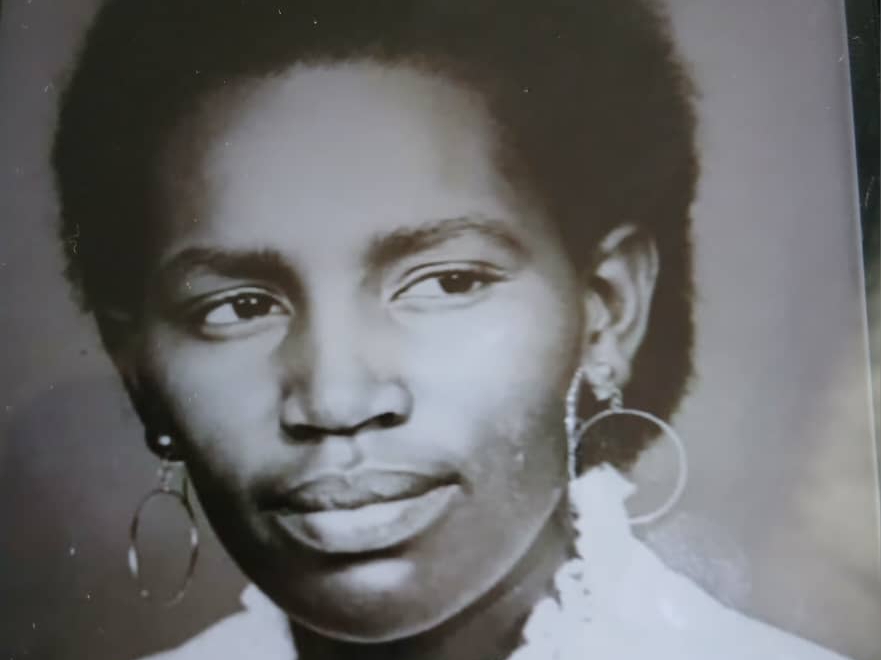
Allow me to mention my younger sister, Margaret Abonyo, a former hotel manager at the then Acholi Inn in Gulu. She was brutally murdered, raped, and her body mutilated when Bazilio and Tito Okello took power in July 1985.
Her killers did not only take Margaret’s life; they devastated an entire family and generations that followed. She was our breadwinner.
Yet she was not the only Ugandan breadwinner taken away.
Hundreds of thousands of families across this country have suffered similar losses. Their loved ones’ remains lie in hills and valleys, beneath rivers, scattered across the north, east, south and west. Their relatives walk among us still, carrying silent grief.
Upon returning from exile in 1980, Milton Obote knelt and kissed the ground at Ishaka in Bushenyi. He told the gathered crowd: “Let us forgive but not forget what has happened because it is a part of our history.”
Perhaps the most meaningful way to preserve the memory of all Ugandans who have died in political violence is to build cenotaphs — one in Kampala and one at every district headquarters.
Each would bear a simple epitaph: “Here lie our fellow Ugandans,” followed by the names of all known local victims since independence. With the existing Local Council system, accurate details could be collected and preserved.
Rather than commemorating one individual annually, the day could become a national remembrance for all victims. Political, religious and traditional leaders — alongside ordinary citizens — would gather at their respective cenotaphs to lay flowers and recommit the nation to peace and unity.
This is not about diminishing Archbishop Luwum’s legacy. It is about expanding remembrance to include every Ugandan life cut short by political violence.
Anyone close to President Museveni reading this — watch this space.
