

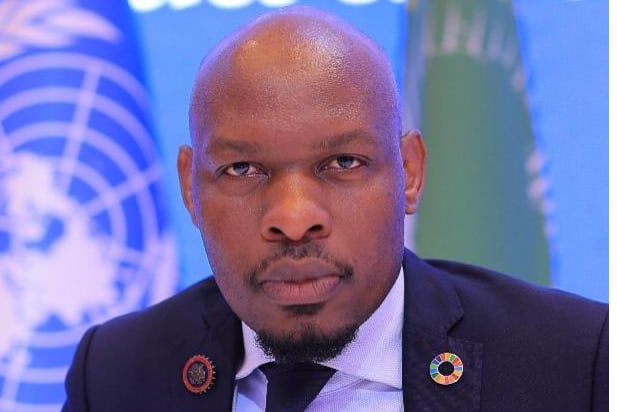
Bobi Wine’s visit to the grave of Milton Obote, accompanied by Obote’s son Jimmy Akena, has reignited long-suppressed debates about Uganda’s ethnic divisions.
Yet, beyond the noise, their symbolic act represents the kind of reconciliation and courage that could heal generations of tribal bitterness between Buganda and Lango.
“The time for healing of the wounds has come, the moment to bridge the chasms that divide us has come, the time to build is upon us.” These words by Nelson Mandela capture the spirit behind Bobi Wine and Jimmy Akena’s recent gesture of unity.
On October 24, National Unity Platform leader Robert Kyagulanyi Sentamu, popularly known as Bobi Wine, visited the grave of former president Apollo Milton Obote in Akokoro, Apac District.
He was received and accompanied by Lira City East MP Jimmy Akena, Obote’s son and leader of the Uganda People’s Congress. Bobi Wine laid a national flag on Obote’s grave — a quiet but powerful act of national reconciliation.
The gesture immediately stirred a storm of reactions. Some saw it as a bold move to bridge Uganda’s oldest political rift; others viewed it as betrayal — especially among those in Buganda who still associate Obote’s name with the 1966 attack on the Lubiri Palace and the abolition of Buganda’s monarchy.
Prominent journalist and theologian Samson Kasumba, himself of Ganda descent, captured this tension in an X post that drew thousands of reactions: “Obote remains a very sensitive subject here in Buganda ever since the invasion of the Lubiri on May 24, 1966. While paying respects may be a gesture of goodwill, it could either be a masterstroke or political suicide. You just can never know which way it will go.”
Kasumba’s comment echoed the deep wounds still felt in central Uganda, where Obote’s legacy is inseparable from the fall of the Buganda Kingdom and the exile of Kabaka Edward Mutesa II. Many Baganda loyalists accused Bobi Wine of betraying Buganda’s heritage.
“To me as a Muganda, honoring Obote feels like honoring an evil man who tried to erase the very cultural institution Bobi Wine claims to love,” one critic said.
Yet, beyond emotion, Bobi Wine’s gesture may be the most courageous act of modern Ugandan politics — an attempt to confront, not ignore, historical pain. His action challenges Uganda to move past generational resentment and ethnic prejudice that continue to poison national unity.
For decades, Uganda’s politics have been scarred by inherited animosities between regions and tribes — Buganda versus Lango, Acholi versus Banyankole, and others. The wounds of 1966 and the counter-conflicts that followed have passed from grandparents to grandchildren, shaping our political and social attitudes.
We may pretend, as elites and media, to have outgrown these divisions, but we have not. Ethnic resentment remains a real force, quietly shaping elections, appointments, and alliances. Until we confront it head-on, Uganda will remain haunted by the ghosts of its past.
Jimmy Akena too faced backlash from northern critics who reminded him that his father’s body was once denied passage through Buganda during his funeral in 2005. But that is precisely why his gesture — standing side by side with a Muganda opposition leader at his father’s grave — matters so much. It symbolizes an end to inherited vengeance.
As a nation, we must ask ourselves: should we continue inheriting the mistakes of our fathers and grandfathers?
History has shown where ethnic hatred leads. From Rwanda’s 1994 genocide, which claimed over 800,000 lives, to South Sudan’s 2013 massacres between the Dinka and Nuer, the cost of tribalism is catastrophic. Ethnic extremism does not explode overnight — it festers quietly, nurtured by bitterness and political manipulation, until it erupts into bloodshed.
Uganda itself witnessed the same pattern from the 1970s through the early 1990s — decades marked by coups, revenge politics, and civil wars. The human cost was immense: lost lives, mass displacement, food insecurity, and cultural disintegration.
Bobi Wine’s and Jimmy Akena’s joint gesture, therefore, should not be dismissed as mere political theatre. It is a small but symbolic step toward reconciliation — an act of moral leadership that transcends political convenience. It demonstrates that unity, forgiveness, and dialogue are possible even across the deepest historical divides.
They may not undo the past, but they have modeled the courage to redefine the future. That, in itself, is a form of peacemaking — one that deserves recognition on the world stage.
If Nobel Peace Prizes are meant to honor those who take bold steps to heal broken nations, then Bobi Wine and Jimmy Akena deserve consideration. Their act embodies the political will, humanity, and humility needed to end Uganda’s silent civil war of ethnic mistrust.
Beyond politics, Uganda needs more of such gestures: inter-tribal dialogue, equitable sharing of national resources, intermarriages, cultural exchange, and shared platforms in music and sports to promote brotherhood.
Bobi Wine and Jimmy Akena may have ignited controversy, but they also reopened a long-closed door — one that leads to a new Uganda built on truth, empathy, and reconciliation. And for that, history will remember them not as political rivals, but as peace architects in a divided nation.
