

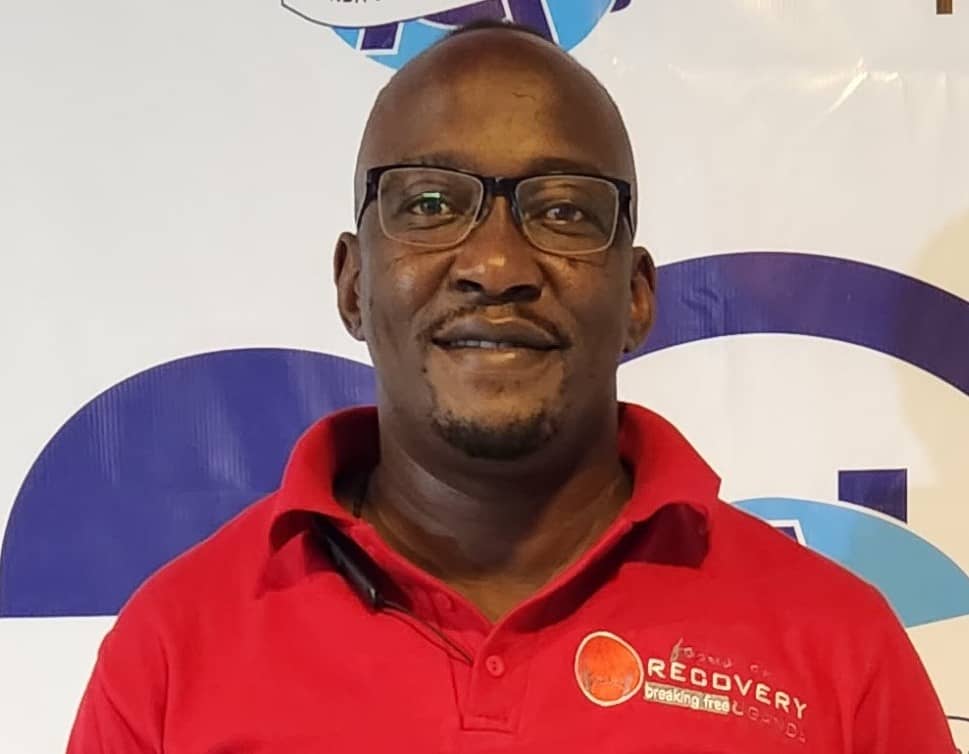
By Albert Elwa Louis
Uganda faces a deepening mental health crisis with more than 90 percent of needs unmet, only about 60 psychiatrists for 46 million people, and a rising suicide rate that disproportionately affects young men, refugees, and marginalised communities.
Without stronger policies, community-driven innovations and national strategies risk failing at the implementation stage.
Uganda’s suicide rate stands at about 5.5 deaths per 100,000 people (2021). Youth, particularly men, remain most affected, with a male-to-female ratio of 3.4 to 1. Refugees are also highly vulnerable, with 190 suicide attempts and 59 deaths reported in 2024 alone.
These grim realities were shared at the Listen, Inspire, Validate, Empower (L.I.V.E) conference on September 10, 2025, during World Suicide Prevention Day.
Stakeholders used the platform to rally for a National Suicide Prevention Strategy, highlighting interventions such as gatekeeper training for teachers and barbers to identify warning signs, culturally adapted Cognitive-Behavioral Therapy (CBT), safety planning, and the use of digital psychoeducation tools.
Yet, despite these promising solutions, they cannot be scaled without strong policy frameworks to guarantee funding, coordination, and equity between rural and urban areas.
A strategy on its own will not deliver results unless robust policies bridge implementation gaps. Uganda must strengthen existing laws and pass targeted reforms to address substance abuse, disability inclusion, and chronic underfunding of mental health.
The 2018 Mental Health Act laid important groundwork by emphasising consent, patient protections, community care, and integration into primary health services.
But with mental health receiving only 1 percent of the health budget, its reach is limited and rural communities remain underserved.
Uganda needs a national policy mandating prevention programmes, regular screenings in schools and workplaces, and universal health coverage.
Hybrid models that integrate traditional healers can also enhance cultural relevance and reduce stigma, especially where spiritual beliefs dominate mental health narratives.
Substance abuse, one of the biggest drivers of suicidal ideation, exposes further policy gaps. The Narcotic Drugs and Psychotropic Substances (Control) Act of 2024 criminalises possession with sentences of up to 15 years and imposes life imprisonment for trafficking, while exempting licensed medical use.
Its punitive framework pushes users underground, amplifies stigma, and raises suicide risks in prisons with no mental health support.
Similarly, Parliament’s rejection of the Alcohol Control Bill disregards alcohol’s significant role in depression and anxiety. A comprehensive alcohol policy to regulate access and fund treatment would reduce suicide triggers.
Equally pressing is the need to protect the rights of people with disabilities, who face heightened risks of suicide due to exclusion and stigma.
The Persons with Disabilities Act, 2020, and its 2024 Amendment outlaw discrimination, mandate accessibility, and recognise psychosocial impairments.
But enforcement must go further: ensuring accessible mental health screenings, creating employment quotas to address poverty-related despair, and developing disability-friendly digital tools are vital steps.
To make the National Suicide Prevention Strategy succeed, Uganda must adopt the following reforms:
- Increase funding and monitoring: Allocate at least 5 percent of the health budget to mental health and establish registries to track suicide and substance abuse trends.
- Integrate substance abuse treatment: Amend the narcotics act to decriminalise personal use for individuals seeking rehabilitation.
- Enact an alcohol control policy: Regulate access while funding treatment programmes to address alcohol’s impact on mental health.
- Strengthen disability inclusion: Fully enforce the 2020 Act with accessible services and targeted interventions for psychosocial disabilities.
- Promote cross-sectoral collaboration: Build mandatory partnerships across health, education, and justice to integrate prevention into schools, police training, and economic programmes.
The L.I.V.E conference ignited hope for a transformative national approach. But without reforms to funding, substance abuse laws, and disability rights, even the most ambitious strategy will stall. Policymakers must act urgently to turn this vision into tangible impact.
Lives—of Uganda’s youth, men, refugees, and persons with disabilities—hang in the balance.
________________________________________________________________________
By Albert Elwa Louis is a clinical psychologist, addiction professional, and the Executive Director of Focus on Recovery (FORE) Uganda, dedicated to promoting mental health and well-being
