

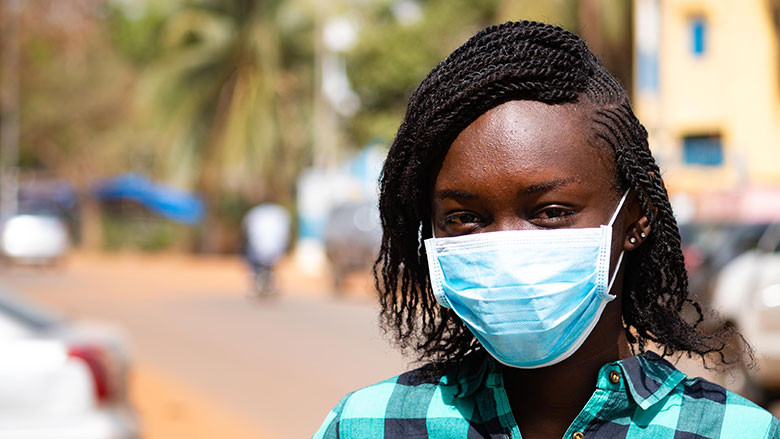
On this day in 2023, the World Health Organisation announced that COVID-19 no longer constituted a Public Health Emergency of International Concern, marking a major milestone in the global management of the pandemic.
The declaration was made by WHO Director-General Tedros Adhanom Ghebreyesus, coming 1,191 days after the emergency status was first declared in January 2020.
The decision was based on a sustained global decline in COVID-19 deaths and hospitalisations, alongside rising population immunity driven by vaccination campaigns and prior infections.
While the virus continued to circulate, the WHO assessed that it no longer required the extraordinary legal and operational framework reserved for international health emergencies, signalling a shift toward long-term endemic management.
The announcement carried particular resonance in countries such as Uganda, which had implemented some of the strictest and longest COVID-19 containment measures in the world.
The country’s economy slowed significantly during the pandemic, with growth falling from about 6.5 per cent before COVID-19 to roughly 3 per cent at the height of disruptions.
Urban livelihoods were heavily affected, especially in informal sectors such as transport and casual labour, where prolonged lockdowns left many without stable income.
The education system also endured one of its most severe disruptions, with schools closed for nearly two years, among the longest shutdowns globally.
Tourism, a key source of foreign exchange, was nearly paralysed due to border closures and only recovered gradually after restrictions were lifted.
Supply chains were strained as transport limitations increased the cost of essential goods, while government interventions such as food distribution and mandatory quarantines for travellers sparked debate over their effectiveness and reach.
Although May 5, 2023, marked the formal end of the global emergency phase, the long-term effects of the pandemic continue to influence recovery efforts in Uganda and beyond, particularly in education recovery, small business resilience, and health system preparedness.
