

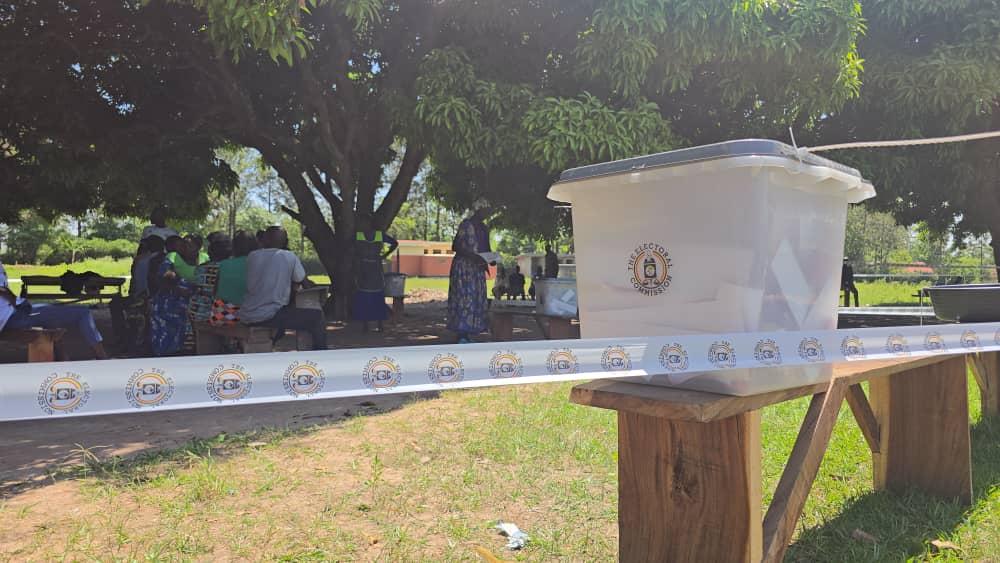
Opposition leaders have intensified criticism of the government over continued delays in conducting Local Council (LC1 and LC2) and Women Council elections, accusing the administration of President Yoweri Museveni of entrenching unconstitutional grassroots structures and weakening democratic governance.
Despite assurances from the Ministry of Local Government that the long-delayed polls would be held by the end of April 2026, opposition figures say the absence of a clear and binding electoral roadmap has left local governance in a prolonged state of uncertainty.
They argue that the repeated postponements are politically motivated and intended to maintain administrative control at the grassroots level through leaders whose mandates have already expired.
Patrick Amuriat Oboi, President of the Forum for Democratic Change (FDC), accused the government of deliberately avoiding clarity on election timelines.
"The government is doing it intentionally. They don't even know when they want these elections, or they are hiding the dates to keep the opposition unprepared," Amuriat stated.
He added that the FDC is fully prepared to field candidates across the country, but the continued delays have disrupted planning and left voters in what he described as a democratic vacuum.
Ibrahim Ssemujju Nganda, Secretary General of the People’s Front for Freedom (PFF), raised concerns over the legal standing of current LC1 officeholders, noting that their terms have been extended repeatedly since expiring in 2023.
Ssemujju also questioned the government’s explanation that a Shs56 billion funding gap is responsible for the delay, pointing out that the Electoral Commission had previously indicated that resources were available for the exercise.
"You cannot have illegal groups working for years beyond their mandate. These leaders witness land contracts and handle local disputes; if their tenure is expired, their actions are legally questionable," Ssemujju warned.
Opposition leaders say the continued reliance on expired local council structures risks undermining legitimacy in grassroots administration and could trigger wider governance challenges if not urgently addressed.
