

The Uganda Muslim Supreme Council (UMSC) has tabled a draft Microfinance Policy Guide aimed at streamlining and strengthening Muslim financial institutions across the country.
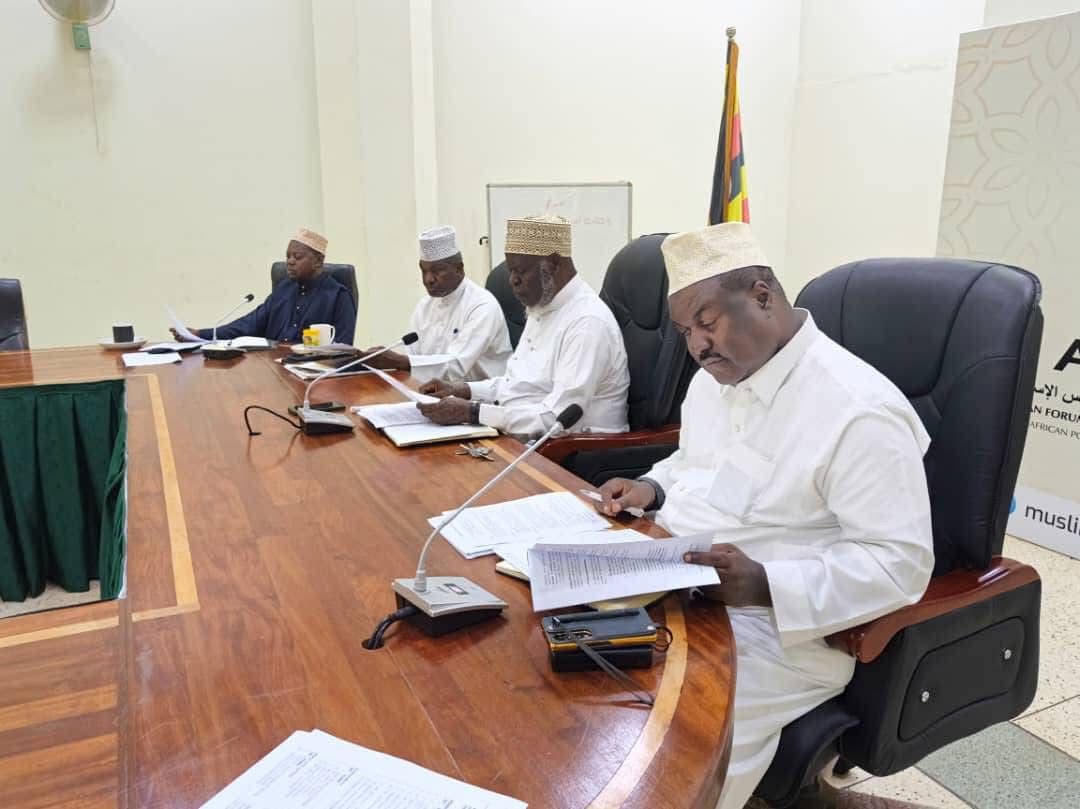
The 27-page document was presented by the council’s Department of Social Services and Grants during a National Management Committee meeting held at its headquarters in Old Kampala.
The meeting, chaired by Sheikh Shaban Ramadhan Mubaje, brought together top UMSC leadership, including Deputy Mufti Sheikh Muhammad Ali Waiswa, Second Deputy Mufti Sheikh Hafiz Muhammad Harunah Bukenya, and Secretary General Abbas Muluubya Ssekyanzi.
Presenting the policy, Imam Shaffie Kagiiko conducted the first reading of the draft, outlining its focus on creating a unified and Sharia-compliant framework for Muslim SACCOs and financial institutions.
“The policy is intended to unify and promote a Sharia-compliant framework for all Muslim SACCOs and financial institutions,” the Social Services Department stated.
According to officials, the proposed framework seeks to address fragmentation within Muslim financial systems by introducing standardised practices, strengthening governance, and enhancing credibility.
Key objectives of the policy include promoting standardisation, improving institutional credibility, encouraging unionisation of SACCOs, expanding financial inclusion, and aligning operations with national development goals.
The draft will now undergo internal review procedures before being submitted to the UMSC General Assembly, the council’s highest decision-making body composed of representatives from 82 Muslim districts.
Beyond regulation, the policy outlines plans to establish a National Muslim Microfinance Bank under UMSC, a move leaders say could significantly expand access to affordable, faith-based financial services.
Officials say the initiative is designed to support small businesses, boost community savings, and provide structured financial solutions for Muslims who prefer non-interest-based systems.
The proposal comes amid growing demand for inclusive financial services and is expected to play a key role in enhancing economic participation within the Muslim community if approved.
