

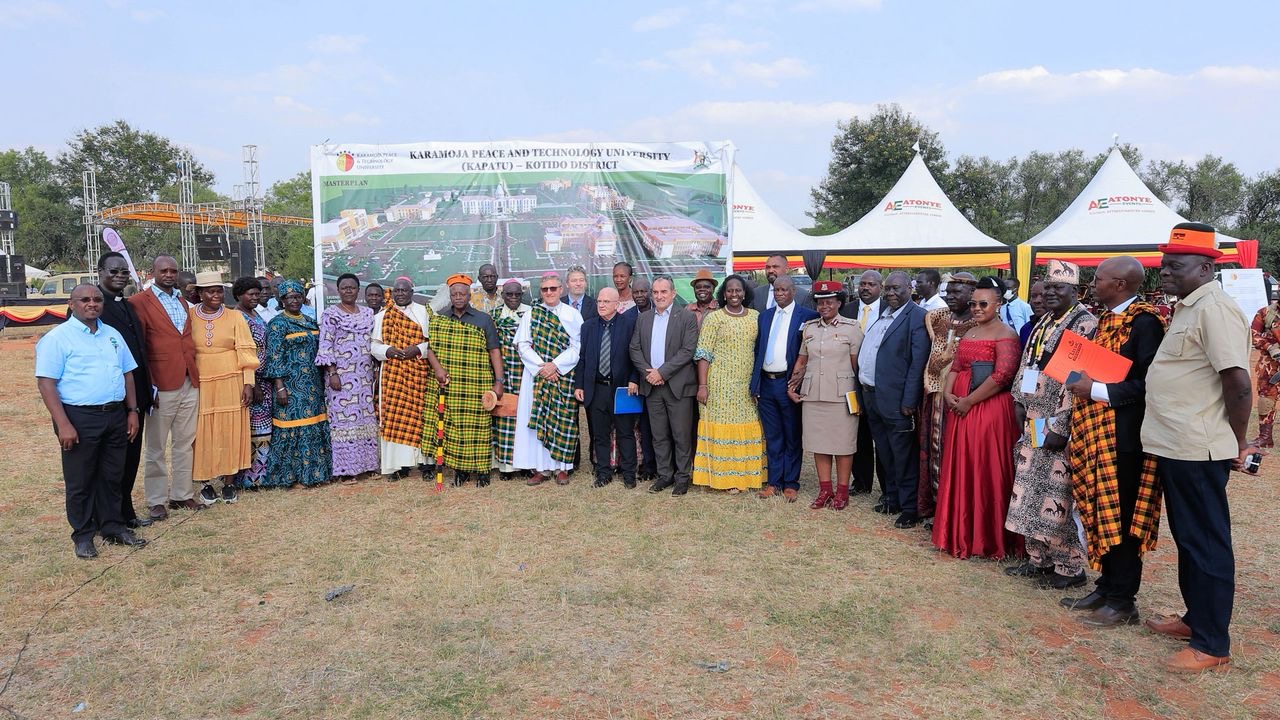
Karamoja Peace and Technology University (KAPATU) Project has dismissed claims by the National Council for Higher Education, insisting it has met all legal requirements and remains on course to establish the region’s
Karamoja Peace and Technology University (KAPATU) Project (KAPATU) Limited has strongly refuted statements made by National Council for Higher Education (NCHE) Executive Director Mary J. N. Okwakol, following her appearance before the Sectoral Committee on Education of the Parliament of Uganda on April 9, 2026.
According to official parliamentary communications, Prof. Okwakol alleged that the KAPATU project had stalled due to failure to meet accreditation guidelines, raised concerns about its governance structure, and claimed that its promoters had resisted advice to apply for private university status.
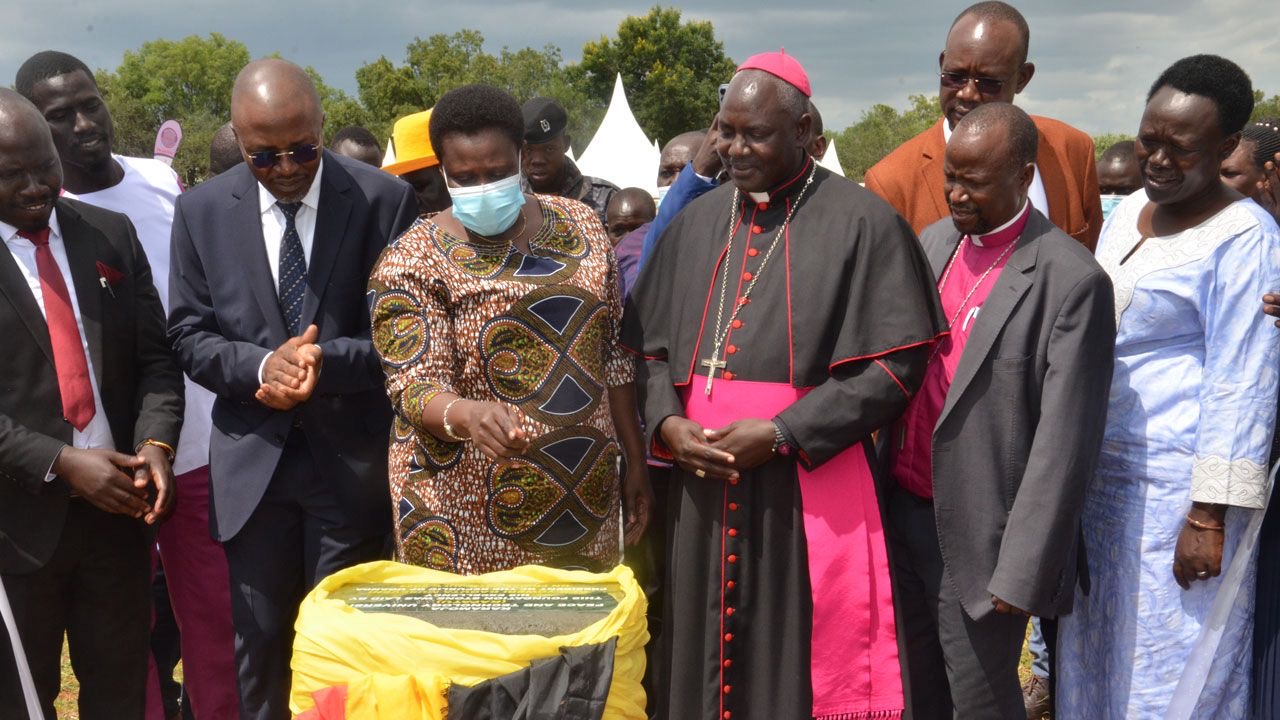
KAPATU has dismissed the allegations as “false, misleading, and prejudicial.”
“The promoters of KAPATU take very strong exception to these false allegations that are deliberately designed to mislead His Excellency the President, Parliament, NCHE, and the general public,” said Twinobusingye Severino, President of the Catholic Lawyers Society International and Chair of Council at KAPATU.
The university further argued that the claims reflect “a calculated pattern of distortion by certain actors within NCHE, the Ministry of Education and Sports, and the Attorney General’s Chambers,” which it believes are intended to derail efforts to establish the first university in the Karamoja sub-region.
KAPATU maintains that its establishment fully complies with the Universities and Other Tertiary Institutions Act, Cap 262, with promoters stating that all conditions outlined in the Letter of Interim Authority issued on April 19, 2024, have been met.
These include mobilization of financial resources, acquisition of infrastructure, recruitment of academic and administrative personnel, and continued institutional development.
“We have not only met but exceeded the minimum statutory requirements for establishing a private university in Uganda,” the statement noted.
The university cited several milestones, including a Shs 30 billion contribution from Yoweri Museveni, EUR 300 million secured from international development partners, and more than 150 acres of land earmarked for expansion.
Existing infrastructure includes lecture halls, administrative offices, staff accommodation, a functional library, and internet connectivity.
KAPATU confirmed that it applied for a Provisional Licence on October 27, 2025, and has already undergone verification by an NCHE-appointed team.
“It is therefore surprising and concerning that the Executive Director would publicly declare non-compliance before the NCHE Council has formally considered our application,” the statement reads.
“This risks prejudicing the decision-making process.”
Contrary to claims presented before Parliament, KAPATU reaffirmed that it applied as a private institution and has consistently followed the appropriate legal framework.
“It is disingenuous to suggest that KAPATU has refused to become a private university. All evidence demonstrates the contrary,” Twinobusingye stated.
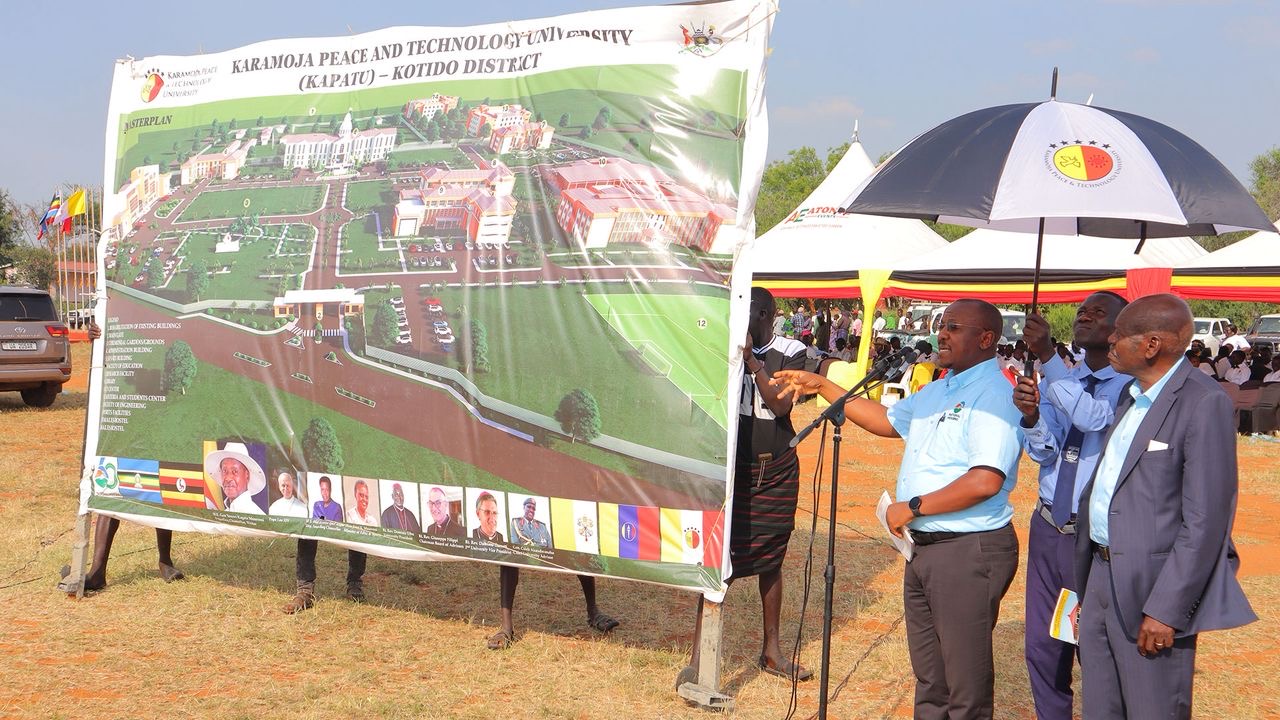
The university also defended the involvement of the Catholic Church in its foundation, citing legal provisions that permit religious bodies to establish institutions of higher learning, and referencing Canon Law which affirms the authority of Catholic bishops to found and oversee universities, including the role of dioceses such as Kotido and Moroto.
Addressing governance concerns, KAPATU clarified the roles of the President and Vice President of Uganda as Founding Chancellor and Founding Deputy Chancellor, respectively.
“There is no legal impediment to these appointments. They arise from historical, constitutional, and institutional considerations and were made outside the jurisdiction of NCHE,” the statement explained.
KAPATU reiterated its commitment to transparency, legality, and expanding access to higher education in Karamoja, expressing confidence in the integrity of its processes and its mission to deliver a transformative institution for the region and the country at large.
