

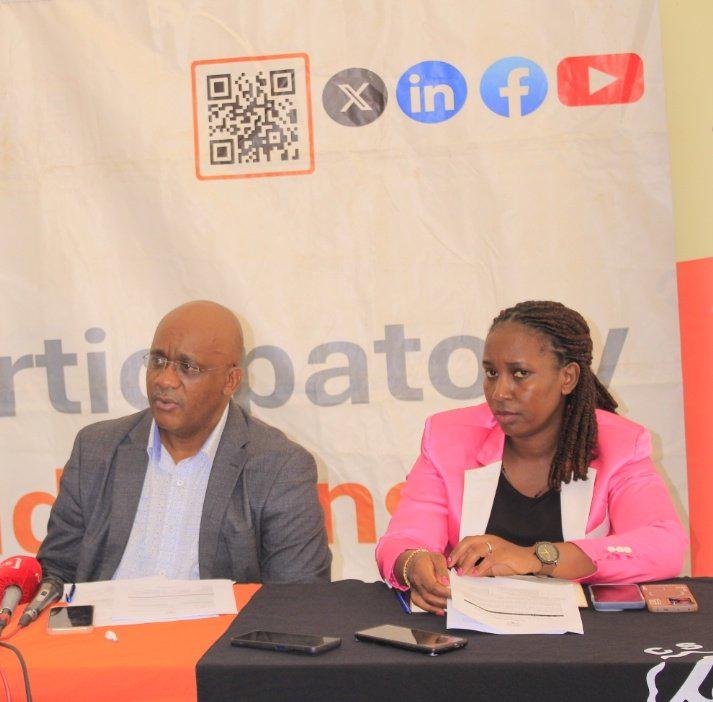
Civil society groups, small and medium enterprises (SMEs), and mobile money agents are calling for a revision of the mobile money withdrawal tax, arguing that the current structure disproportionately affects low-income earners who depend on digital financial services for daily survival.
The coalition, including the Civil Society Budget Advocacy Group, is proposing a reduction of the withdrawal tax to 0.25%, with a cap of Shs 5,000 per transaction, alongside the removal of taxes on smartphones priced below Shs 350,000.
They argue that while taxation is necessary for revenue generation, the current system places an unfair burden on vulnerable users who rely on mobile money as their primary financial tool.
“Taxation should not punish survival,” one SME operator said, noting that mobile money has effectively become a “bank” for many informal workers and traders.
The coalition insists that a capped rate would still allow government to collect revenue while protecting users from excessive deductions on larger transactions.
They are also pushing for the elimination of import duty and VAT on affordable smartphones, saying such devices are essential for financial inclusion and access to digital services.
“Smartphones are no longer a luxury item,” a civil society advocate said. “They are essential tools for participation in today’s economy.”
The groups warn that without reform, the current tax regime risks discouraging mobile money usage, pushing people back into cash-based transactions, and reducing transparency in the financial system.
They also highlight the broader impact on small businesses, noting that SMEs which form a major part of Uganda’s economy depend heavily on mobile transactions for operations and growth.
The coalition is urging policymakers to adopt a balanced approach that ensures revenue collection while promoting economic empowerment and digital inclusion.
