

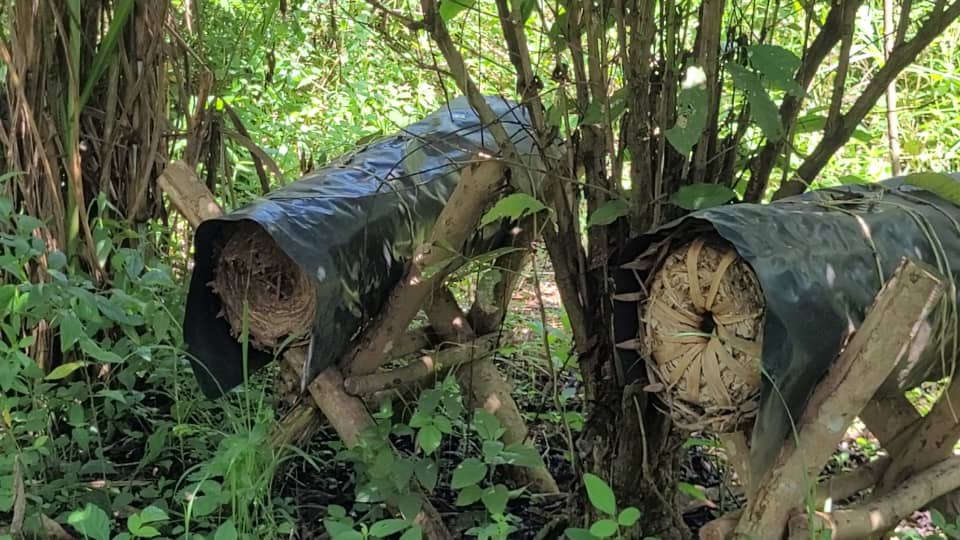
In many rural communities, such as Kayunga District, nature and people depend on each other for survival. Trees, crops, flowers, rivers, and animals all form an interconnected environment that sustains human life.
Among the smallest yet most important creatures in this ecosystem are bees. Though tiny, bees play a critical role in maintaining ecological balance. As they move from flower to flower collecting nectar to make honey, they carry pollen between plants in a process known as pollination. Pollination is essential for the production of fruits, seeds, and new plants. Without bees, many crops—such as coffee, mangoes, passion fruits, beans, and vegetables—would yield significantly less food.
Unfortunately, many people, particularly in rural communities, do not fully appreciate the value of bees.
Hannington Lwandasa, an entomologist and head of the sector at Kayunga District Local Government, emphasizes the need to educate communities about the benefits of bees and the dangers posed when they are not properly protected. He noted that people often fail to recognize the importance of bees, and while they continue to rely on food and other resources provided by nature, they sometimes destroy the very insects that make these resources possible.
Bees do more than produce honey—they protect the environment. Thanks to bees, farmers enjoy higher crop yields, families have more food, and communities earn income from selling honey. Bees also help trees reproduce, which contributes to healthy forests, rainfall formation, soil conservation, and clean air.
However, many farming communities today face a growing threat in the form of herbicides and other farm chemicals. Farmers often spray chemicals to control weeds in crops such as maize, beans, and coffee.
While effective against weeds, these chemicals also destroy small plants and flowers that bees rely on for nectar.
When flowers disappear, bees struggle to feed, and many colonies die or migrate. Spraying during the day, when bees are actively foraging, can be particularly harmful, as poisoned bees may carry chemicals back to the hive, potentially killing the entire colony. The result is fewer bees, poor pollination, lower crop yields, and reduced honey production.
Lwandasa also warns that pesticides and herbicides contaminate water sources, harm other essential insects, reduce biodiversity, and contribute to long-term environmental degradation, including climate change effects such as prolonged droughts and unpredictable rainfall.
To safeguard bees and the environment, Lwandasa advises farmers to spray chemicals in the evening when bees are less active and to avoid spraying near bee hives.
He also encourages the adoption of organic farming methods, the planting of bee-friendly trees and flowers, and the preservation of natural vegetation for bee habitats. Additionally, he suggests that farmers use manual slashing instead of excessive herbicide use to protect forests and wetlands.
“Protecting bees is not just about saving honey; it’s about preserving the entire environment that sustains human life,” Lwandasa noted.
