

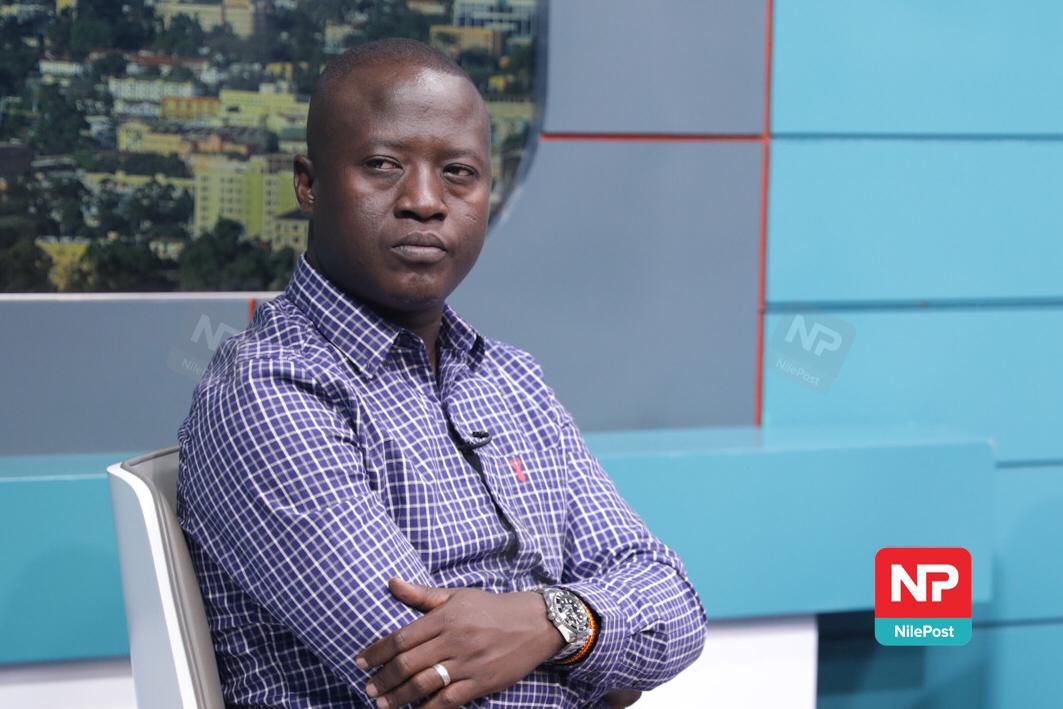
Journalist Joseph Sabiti, has called for urgent national dialogue and political introspection as Uganda navigates the tense aftermath of its recent elections.
Speaking during the NBS Media Roundtable on Friday, Sabiti delivered candid remarks highlighting the realities of political engagement in the country, urging stakeholders across the divide to prioritize stability and constructive dialogue over entrenched positions.
Sabiti emphasized the interconnected nature of political actors in Uganda, dismissing notions of isolation from government structures.
“There is no one in this country worth their name who isn't in touch with Gen. Yoweri Museveni or his agents. You can't be worth your name and pretend that you aren't talking to someone in the government,” he said
Reflecting on regional experiences, Sabiti pointed to Kenya as a cautionary example of delayed dialogue.
“The Kenyan example is a painful one for me. Every time they have been pushed to talk it's because of dead bodies. I think we shouldn't reach that level where people must first die before we dialogue,” he said.
Addressing the broader political culture, Sabiti acknowledged the inherent self-interest in politics while calling for restraint and responsibility.
“Politics is selfish. I'm a full-time student of the school of reality. To what extent are we able to suppress the appetite we have for ourselves for the common good?” he said.
His remarks come at a time when Uganda is grappling with heightened political tensions following the elections. Calls for national dialogue have grown louder, particularly from opposition leaders who maintain that the electoral process was flawed. They continue to demand reforms, accountability, and guarantees of political freedom.
These concerns have been amplified by the continued absence of former presidential candidate Robert Kyagulanyi Ssentamu, popularly known as Bobi Wine. The National Unity Platform (NUP) leader has been abroad on international engagements and has not returned to his home since the day after the polls, raising questions and speculation among supporters and observers alike.
While the government maintains that NUP is not under attack, skepticism persists among sections of the public who question whether this reflects the lived political reality. The situation has fueled further debate about the need for genuine engagement between opposing sides.
In response to the growing tensions, religious leaders and elder statespersons have stepped forward, urging both the government and opposition to prioritize national interests over partisan considerations. However, these mediation efforts have so far yielded limited progress, with both sides appearing cautious and, at times, entrenched in their positions.
Public skepticism remains high, particularly given the mixed outcomes of previous attempts at political dialogue. Critics argue that past engagements have often fallen short of delivering meaningful reforms, raising concerns that renewed calls for dialogue may risk becoming symbolic rather than substantive.
Amid this uncertainty, reports have emerged of quiet but intensive negotiations taking place over recent weeks between NUP and the government. These discussions are reportedly aimed at facilitating the safe return of Kyagulanyi to Uganda. However, NUP has publicly denied that such talks are underway, adding another layer of complexity to the evolving political landscape.
As the nation awaits clearer signals from key political actors, the central question remains whether both sides are willing to create the conditions necessary for a sustainable resolution.
For now, national dialogue stands as both a hopeful possibility and an uncertain path toward breaking the current post-election deadlock. Observers note that the coming weeks will be critical in determining whether Uganda can move toward reconciliation and stability or remain mired in political tension.
