

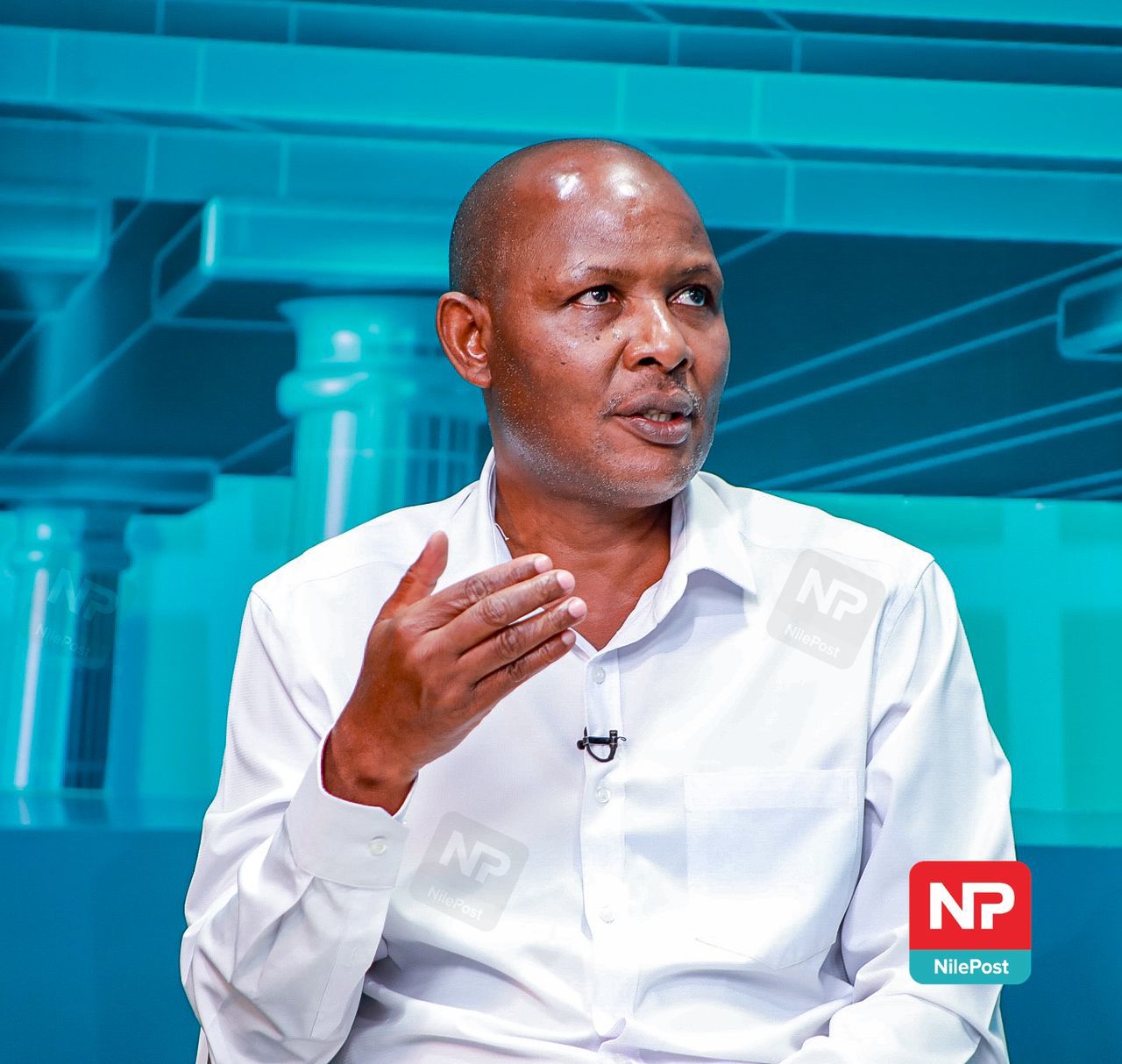
Former intelligence operative and political analyst Charles Rwomushana has warned about the dangers of online trolling, while emphasizing the constitutional protections for freedom of expression.
Speaking during NBS Barometer on Tuesday, Rwomushana highlighted the growing trend of individuals operating multiple fake accounts on social media to demean others, creating a false impression that targeted individuals are widely disliked.
“There are individuals online who operate multiple fake accounts to demean others and create the impression that those individuals are widely disliked; they call it trolling,” he said.
Rwomushana referenced the landmark case involving journalists Andrew Mwenda and Omar Onyango-Obbo, noting that the Supreme Court of Uganda affirmed journalists’ right to publish information even if it is later found to be inaccurate.
“The right to speak includes the possibility of error,” he said, underlining the importance of protecting legitimate expression despite potential mistakes.
His comments follow a recent Constitutional Court ruling that declared several provisions of the Computer Misuse (Amendment) Act, 2022 unconstitutional for violating fundamental rights, including freedom of expression and access to information.
In a unanimous decision by a five-justice panel, the court found key sections of the law vague, overly broad, and prone to abuse, effectively criminalizing legitimate speech. Justice Irene Mulyagonja delivered the lead judgment, ruling that Sections 23, 26, 27, and 29 of the Computer Misuse Act, along with Section 162 of the Penal Code Act, were “null and void” for failing the constitutional test of legality.
The court specifically examined provisions criminalizing sharing information that could ridicule, demean, or promote hostility; targeting anonymous communication or unsolicited content; and misuse of social media through false identities.
Petitioners—including Unwanted Witness Uganda, the African Centre for Media Excellence, and the Editors’ Guild—argued that these provisions violated Articles 29 and 41 of the Constitution. The Attorney General defended the law, arguing it was necessary to regulate harmful online conduct, but the court found that the restrictions exceeded constitutional limits.
The court also identified a procedural flaw, noting that Parliament passed the amendments without verifying the required quorum, contravening Rule 24(3) of Parliament’s Rules of Procedure under Article 94, rendering the enactment inconsistent with Articles 88 and 89.
Nullified provisions included Section 11, criminalizing unauthorized access, interception of data, or recording of another person; Section 23, prohibiting unauthorized sharing of information about a child; Sections 26–28, restricting sharing of content likely to ridicule or demean; Section 29, prohibiting misuse of social media under false identities; and Sections 162–163 of the Penal Code Act, which dealt with criminal libel.
Justice Ketra Kitariisibwa Katunguka, concurring with the lead judgment, emphasized that Section 162 violated Uganda’s constitutional objectives and international obligations, including the International Covenant on Civil and Political Rights and the African Charter on Human and Peoples’ Rights.
The court issued a permanent injunction preventing government agencies from enforcing the struck-down provisions and ordered the state to pay 30 percent of petitioners’ legal costs. The ruling is expected to have far-reaching implications for past and ongoing cases, potentially invalidating convictions under the nullified law.
These provisions had been widely used to prosecute young people, journalists, and activists for “offensive communication” and “malicious information,” making this decision a landmark for digital rights and freedom of expression in Uganda.
