

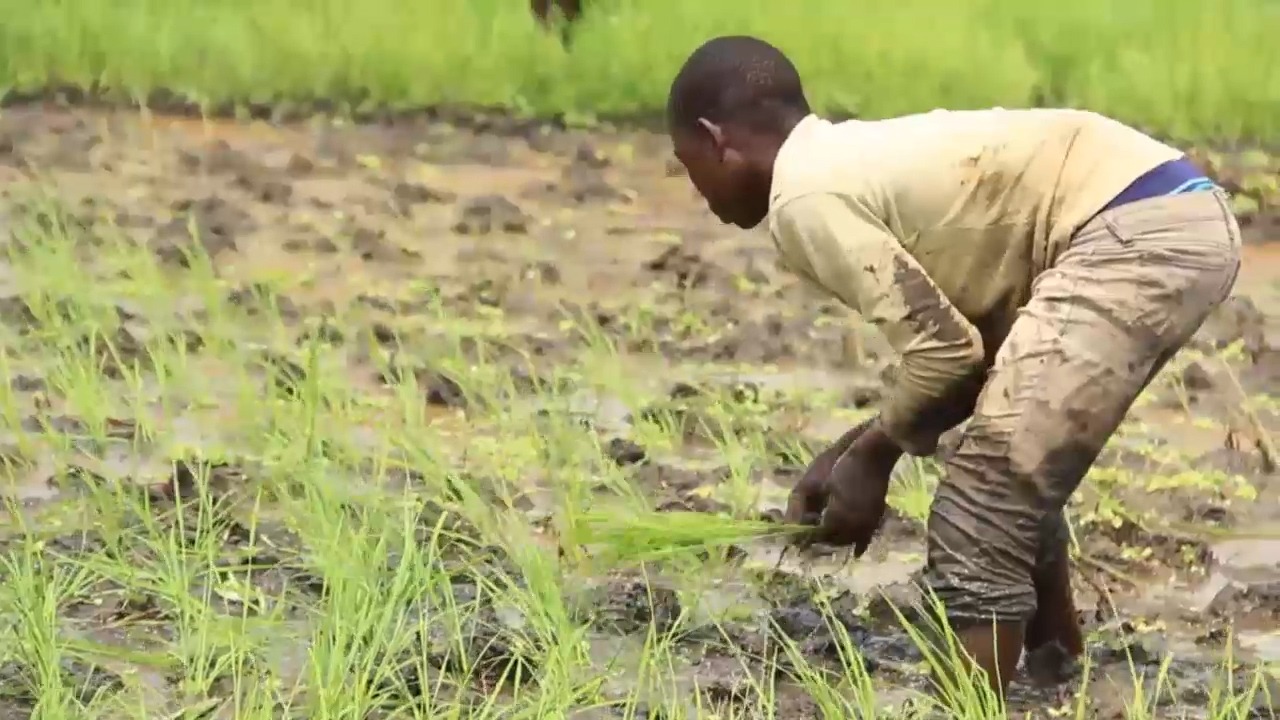
A new report by the Platform for Labour Action (PLA) indicates that 34 percent of children in the Busoga sub-region are still engaged in child labour, mainly working in sugarcane and rice fields.
The districts of Iganga, Kaliro, and Bugiri remain the most affected, with children often working on farms instead of attending school.
Sugarcane and rice production are key sources of livelihood for many families in Busoga. However, behind the region’s expansive plantations, children are performing physically demanding tasks such as planting rice, scaring birds from gardens, cutting sugarcane, and loading trucks—work that compromises their education and wellbeing.
The PLA report shows that although child labour remains widespread, there has been some improvement over the past two-and-a-half years. When the organisation began implementing its programmes in Busoga in 2023, the prevalence stood at 40.6 percent. The latest assessment shows a reduction to 34 percent.
Godfrey Kalulu Mutema, the Legal Officer at PLA, said the organisation implemented community-focused interventions to change attitudes toward child labour. These included training local leaders, community champions, and other duty bearers on the dangers of child labour, while encouraging families to prioritise education over farm work.
During a ceremony marking the end of PLA’s intervention programme, Maureen Karungi, Head of the Child Labour Unit at the Ministry of Gender, Labour and Social Development, commended the organisation for supporting government efforts to eliminate child labour.
“Although the reduction from 40.6 percent to 34 percent may appear small, the progress is significant in the broader national context,” Karungi said. She emphasised that sustained partnerships between government and civil society are essential to keep children in school and protected from exploitation.
Local leaders from the affected districts also expressed concern over the continued use of children in farm labour.
Ezra Gabula, the LCV Chairman of Iganga District, warned that subjecting children to harsh labour conditions negatively impacts their mental development and future opportunities. “Forcing children into farm labour denies them the chance to study and develop skills to contribute meaningfully to society later in life,” he said.
Thomas Matende, the Resident District Commissioner of Kaliro District, said government administrators are actively working with local leaders to ensure all school-age children attend classes. He noted that initiatives by organisations like PLA complement government efforts to combat child labour.
While the reduction in child labour is encouraging, stakeholders emphasise that more needs to be done. They call for stricter enforcement of labour laws, continuous community awareness campaigns, and economic support for vulnerable families to ensure children stay in school rather than the fields.
