

Leaders in Kamuli District have raised concern over the increasing loss of property by borrowers due to what they describe as exorbitant interest rates charged by some moneylenders and commercial banks.
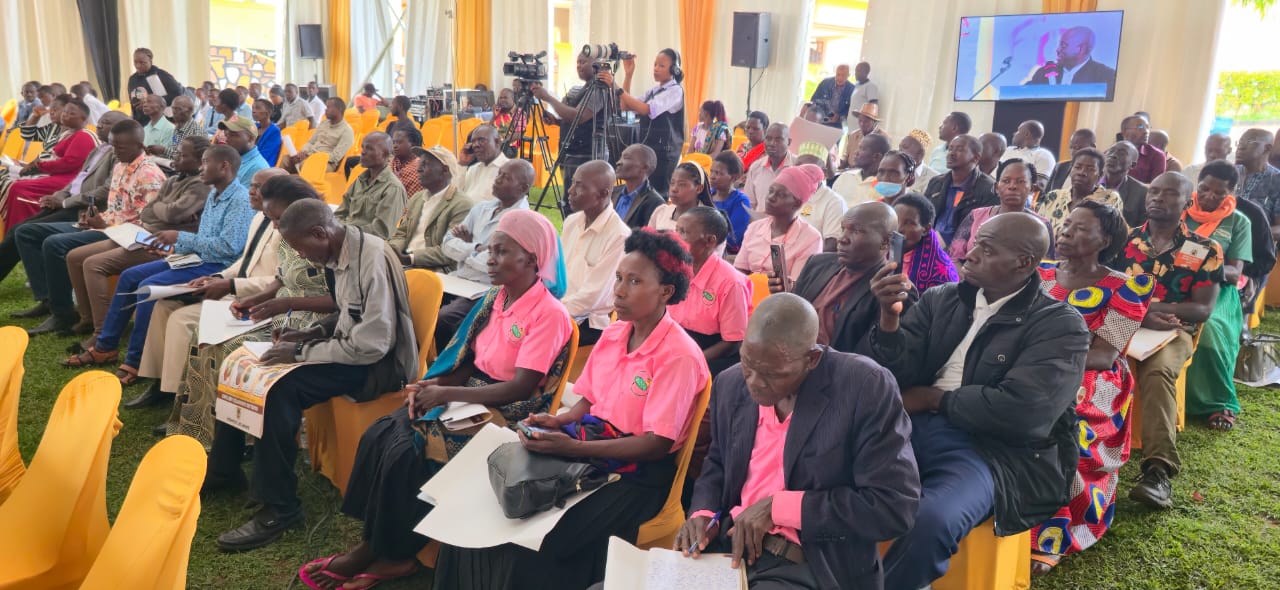
The concerns were raised during a two-day financial literacy and customer protection engagement organised by the Bank of Uganda aimed at encouraging more Ugandans to participate in the money economy.
District leaders say the rising cost of borrowing has forced many residents to lose property pledged as collateral after failing to meet loan repayment terms. According to local officials, the situation has also created fear among potential borrowers, with many residents now hesitant to access credit despite growing demand for financing among farmers and small-scale entrepreneurs.
The concerns were highlighted during a stakeholders’ engagement held in Kamuli District to sensitise the public on financial literacy, customer protection and the benefits of using formal financial institutions.
Speaking during the engagement, the Director of the Commercial Banking Department at the Bank of Uganda, Hannington Waswa, said the initiative is part of broader efforts to strengthen the financial system and ensure more Ugandans embrace formal banking services.
Waswa explained that expanding participation in the money economy is essential for the country’s long-term economic transformation.
“This engagement is aimed at strengthening the financial system and ensuring that more Ugandans understand how to access financial services responsibly. When people are financially literate, they are able to make informed decisions about saving, borrowing and investing,” Waswa said.
He added that increasing financial inclusion is critical if the government is to achieve its ambitious ten-fold economic growth strategy by 2040.
“For the country to grow the economy from the current GDP of about 50 billion dollars to 500 billion dollars, every Ugandan must be part of the money economy. That means using formal financial services, saving, investing and borrowing responsibly,” Waswa explained.
Local leaders who attended the engagement described the initiative as timely, citing increasing complaints from residents whose property has been attached after defaulting on loans.
The LCV Chairperson of Kamuli District, Sarah Sambya, said many residents often borrow without fully understanding the loan conditions and the implications of high interest rates.
“Many people in our communities are eager to improve their livelihoods and end up borrowing money without clearly understanding the terms of the loan. When the interest rates are high, repayment becomes difficult and some end up losing their property,” Sambya said.
She noted that financial literacy programmes are crucial in helping residents make informed financial decisions and avoid falling into debt traps.
The Deputy Resident District Commissioner of Kamuli, Adonia Mafumo, also urged residents to seek proper financial guidance before taking loans and encouraged financial institutions to adopt responsible lending practices.
“We encourage our people to first understand the terms of any loan they intend to take and ensure they have a clear repayment plan. At the same time, lenders must act responsibly and avoid practices that push borrowers into unnecessary financial distress,” Mafumo said.
Mafumo revealed that district authorities receive an average of two cases every day from residents facing financial distress linked to loan repayments.
“Moneylenders threaten to sell the mortgages like land or houses, which has really become a serious issue in the district,” he said.
Officials from the Bank of Uganda say similar engagements will continue across the country as part of efforts to promote financial literacy, strengthen consumer protection and encourage responsible borrowing and saving among Ugandans.
They say empowering citizens with financial knowledge will not only protect borrowers from exploitative lending practices but also accelerate Uganda’s transition into a fully monetised and inclusive economy.
