

Cancer is increasingly becoming a major public health concern in Uganda, mirroring a global trend that has seen more people diagnosed with the disease each year. Health experts warn that without stronger prevention, early detection and access to treatment, the burden on families and the health system will continue to grow.
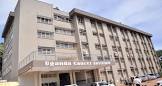
To bring services closer to patients, Uganda has taken steps toward decentralising cancer care, with two regional cancer centres now fully operational, easing pressure on the Uganda Cancer Institute (UCI) in Kampala and reducing the long, costly journeys many patients have had to endure.
The two fully operational regional cancer centres are located in Gulu in northern Uganda and Mbarara in the west, bringing specialized treatment closer to patients outside the capital.
For years, cancer patients from across the country were forced to travel to the capital for diagnosis and treatment often arriving late, when the disease was already advanced. For many families, the journey meant selling land, borrowing money or abandoning treatment altogether.
The establishment of regional centres marks a shift toward more accessible care, offering hope to patients who previously had limited options.
Doctors say cancer cases in Uganda are rising steadily, driven by factors such as population growth, lifestyle changes, infections, and improved diagnosis.
The increase reflects a global pattern, but Uganda faces unique challenges, including late presentation and limited awareness.
“More people are coming to health facilities with cancer than ever before,” health workers note, adding that many cases are still diagnosed at an advanced stage.
Among women, cervical cancer remains the leading cancer in Uganda, claiming thousands of lives each year. Health experts say the disease is largely preventable through HPV vaccination and routine screening, yet many women only seek care when symptoms are severe.
Cervical cancer mainly affects women in their most productive years, leaving devastating social and economic consequences for families, especially children who lose mothers and caregivers.
Despite the availability of preventive services, gaps in awareness and access continue to fuel the high burden of the disease.
For men, prostate cancer remains the most common cancer, particularly affecting those above the age of 50. Health workers say cultural attitudes, fear of testing, and limited screening services often delay diagnosis.
“Many men come to hospital when the cancer is already advanced,” Dr Noleb Mugisha said, noting that early testing could significantly improve outcomes.
Kaposi sarcoma, a cancer linked to immune suppression and HIV, also remains a significant concern, particularly among people living with HIV. While improved access to antiretroviral therapy has reduced cases over the years, doctors say it continues to affect vulnerable populations.
With regional cancer centres in Gulu and Mbarara now operational, patients in different parts of the country are beginning to access diagnosis and treatment closer to home.
Health officials say decentralisation will help improve early detection, reduce congestion at UCI, and lower the financial burden on patients and their families.
However, experts caution that infrastructure alone is not enough. They are calling for increased public awareness, expanded screening programmes, and sustained investment in cancer prevention.
As cancer cases continue to rise, health workers say a combination of prevention, early detection, and accessible treatment will be critical in reversing the trend and saving lives.
