

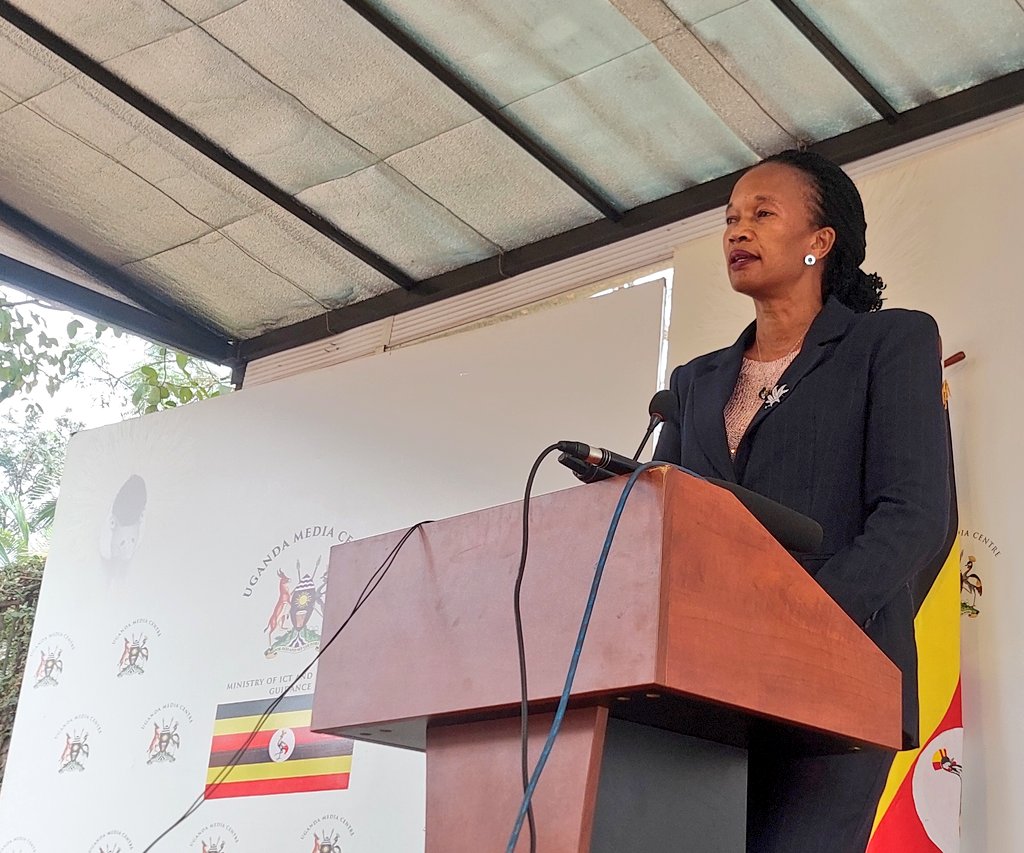
The elections of workers’ representatives at subcounty, city division and town council levels has today, Wednesday kicked off in various parts of the country.
According to the State Minister for Labour ,Esther Anyakun , the elections will involve both unionised and non-unionised workers, but stressed that only those who meet the set eligibility criteria will be allowed to participate.
She explained that unionised workers must be Ugandan citizens, at least 18 years of age, registered voters, and able to present proof of employment such as payslips and union subscription records for at least five months.
"They must also belong to labour unions that are formally registered with the Registrar of Labour Unions, have been in existence for at least six months, and have complied with requirements such as holding annual general meetings and filing returns for the past three years," Anyakun said.
"For non-unionised workers, Anyakun said eligibility requires Ugandan citizenship, voter registration, valid employment contracts, workplace identity cards, and payment records for at least three months."
However, the minister said such workers must not belong to any registered labour union.
Union leaders seeking nomination—including chairpersons, general secretaries and treasurers—must also be officially recognised by the Registrar of Labour Unions.
According to Section 15 of the Parliamentary Elections Act, five workers’ MPs are elected by an electoral college drawn from NOTU, COFTU, other registered unions and representatives of non-unionised workers from the four regions of Uganda. At district level, the Local Governments Act provides for two council members to represent workers, one of whom must be a woman.
The minister added that registration of non-unionised workers is already underway at subcounties, city divisions and town councils, with the Electoral Commission set to conduct the polls.
Workers are required to report for registration between 8:00 am and 12:00 pm, while voting will begin at 2:00 pm.
Anyakun urged all eligible workers, unions, employers and local authorities to take part, noting that the guidelines have been published in both print and digital media.
“The Government expects all stakeholders to adhere to the provisions and timelines, so that the election of workers’ representatives reflects the aspirations of the labour force and contributes to Uganda’s development agenda,” she said.
