

By Jamirah Khassim
Erias Lukwago has issued a scathing critique of Uganda’s political system, describing it as “bastardised” and warning that the nation is embroiled in a deeper struggle for “political hygiene.”
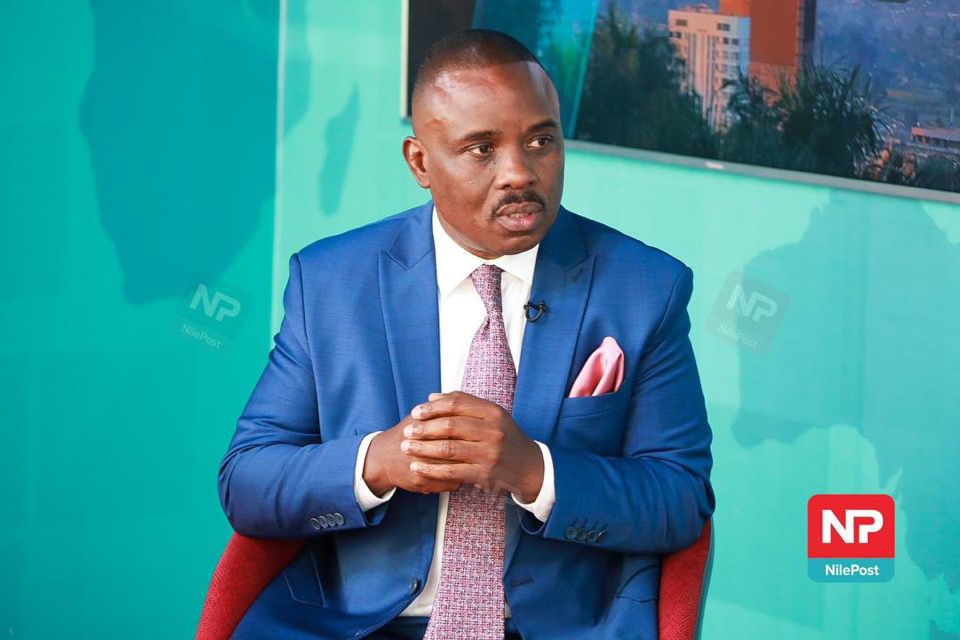
In a series of candid remarks during a political roundtable on democratic renewal, Lukwago emphasised the urgent need for ethical leadership, institutional accountability, and ideological clarity within Uganda’s fractured opposition and governance structures.
“If you are dealing with a bastardised system like the one we have here in Uganda, you realise this country is not just in a fight for democracy it is fighting for political hygiene,” Lukwago declared.
“It’s a system so contaminated with corruption, impunity, and patronage that real reform must begin with cleaning house, not just changing faces.”
The comments come as Uganda approaches the 2026 general elections with mounting public disillusionment over electoral fairness, governance failures, and deep divisions within the opposition.
Lukwago, who formerly served as a member of the Democratic Party (DP) before joining the Forum for Democratic Change (FDC), used his own political trajectory to highlight a principle driven approach to leadership.
He addressed longstanding speculation about his ambitions within the FDC and clarified his position:
“Why do you think Kizza Besigye accepted Namboole, Mpuuga, and myself to be the flag bearers of FDC at the time when FDC was at its peak? I have never vied for a political ticket just for the sake of it. If I don’t merit it, then I don’t go for it,” said Lukwago.
His statement appeared to push back against the growing culture of political opportunism and internal wrangling that has plagued many of Uganda’s political parties in recent years.
Lukwago’s reference to Dr. Kizza Besigye often seen as the cornerstone of Uganda’s opposition politics underscored a broader call for meritocracy and unity.
Besigye has long been a symbol of resistance to President Museveni’s decades-long rule and has mentored several leaders across opposition ranks.
“Leadership must be earned, not imposed. What we need now are leaders grounded in principle, not those chasing positions,” Lukwago emphasised.
Uganda’s political landscape continues to be dominated by President Museveni and his ruling National Resistance Movement (NRM), which has held power since 1986. However, the opposition remains fragmented, with former allies now leading separate camps and political coalitions often short-lived due to ideological clashes and leadership disputes.
Despite this, Lukwago’s remarks appeared to strike a unifying tone, calling on fellow opposition leaders to recommit to the broader national interest.
“This is not about individuals; it’s about rescuing a nation from decay. Political hygiene means returning to values, to truth, and to integrity in public service,” he said.
Political analysts say Lukwago’s message could resonate with a politically fatigued population increasingly skeptical of both government and opposition players.
With Besigye’s role evolving into that of a statesman and mentor, the spotlight may now shift to emerging and principled leaders like Lukwago as Uganda approaches another defining moment in its democratic journey.
