

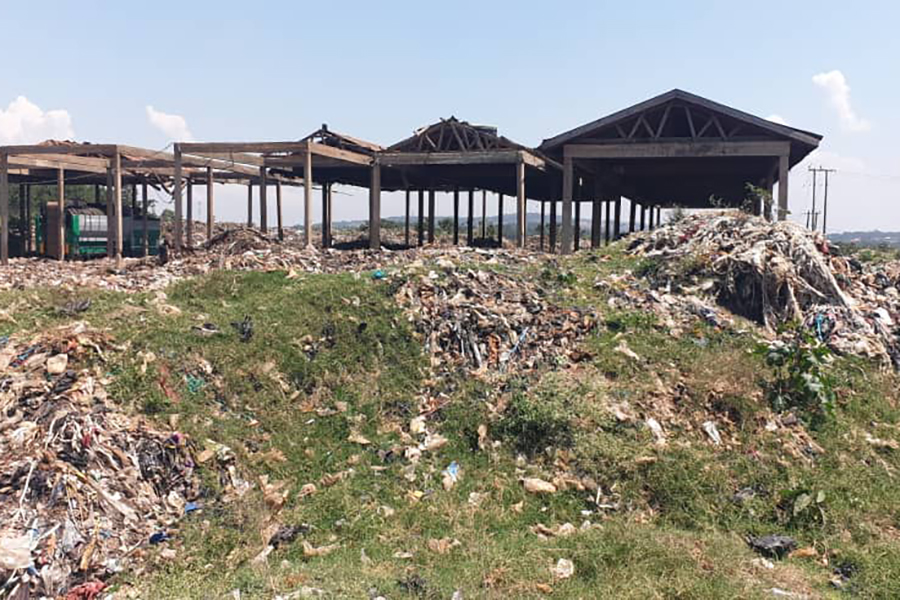
Despite progress made through the Uganda Support to Municipal Infrastructure Development - Additional Financing (USMID-AF) project, Uganda still faces significant challenges in effectively managing its solid waste.
A recent audit has exposed a concerning gap between the amount of solid waste generated and what is actually collected and disposed of, underlining the need for stronger policies and infrastructure.
From 2021/22 to 2023/24, Uganda generated over 4 million tonnes of solid waste, but only 37%—or about 1.5 million tonnes—was collected and disposed of.
This leaves 63% of the waste uncollected, creating serious environmental and health risks.
The performance across cities and municipalities varied widely, with cities managing to collect 34.4% of waste, while municipalities performed slightly better at 50%.
Notably, cities like Fort Portal and Soroti led the charge, collecting 86% of the waste within their jurisdictions, while Lira, Tororo, and Kitgum lagged behind with collection rates as low as 10%.
These disparities highlight the urgent need for targeted interventions in underperforming areas.
The audit reveals that a major hindrance to effective waste management is the lack of a national solid waste management policy, as the Ministry of Lands, Housing, and Urban Development (MoLHUD) has yet to develop a comprehensive policy.
Without clear guidance and infrastructure for waste recycling, Uganda's efforts remain fragmented, and the challenges persist.
The report calls for MoLHUD to prioritize creating a national framework to tackle waste collection, disposal, and recycling to prevent further harm to public health and the environment.
