

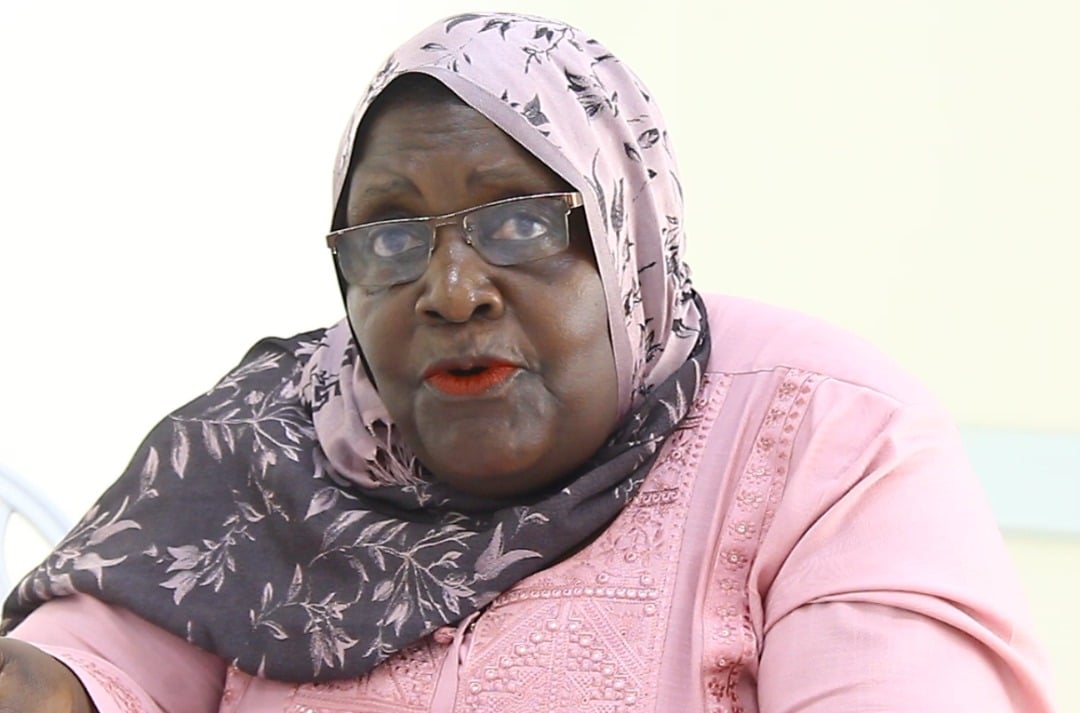
The Equal Opportunities Commission (EOC) has expressed concern over disparities in the budgeting and planning processes, citing unequal resource allocation and insufficient attention to marginalised groups.
During a post-assessment feedback session on the Program Budget Framework Paper with members of Parliament, EOC Chairperson Safia Nalule Jjuuko highlighted critical challenges that continue to undermine equitable development across the country.
“We are mandated under the Equal Opportunities Commission Act, the Constitution, and the Public Finance Management Act to ensure that national plans, sector strategies, and budgets provide equal opportunities for all, especially marginalised groups,” Nalule stated.
The EOC identified a significant mismatch between national priorities and regional development needs, leaving areas such as Karamoja, Busoga, and West Nile underfunded.
This imbalance, according to Nalule, perpetuates inequalities and slows development in regions that have long lagged behind.
Nalule also pointed out inadequate budget allocations to critical sectors, including industrialisation, technological development, and tourism, which hampers efforts to alleviate poverty.
She expressed concern about Uganda’s debt repayment burden, which now accounts for Shs 34 trillion, or 47.9% of the national budget, severely limiting the government’s ability to fund essential services in health, education, and infrastructure.
The Commission noted inefficiencies in resource utilisation, with Ministries, Departments, and Agencies (MDAs), along with local governments, returning significant unutilized funds to the Treasury.
Nalule emphasised that this trend undermines service delivery and wastes resources that could benefit marginalised communities.
Challenges such as inadequate land compensation, limited electricity distribution in regions like Karamoja and West Nile, and insufficient access to long-term financing for small businesses were also highlighted.
“These gaps affect not just development but also the livelihoods of the most vulnerable,” Nalule added.
Human resource shortages in local governments, particularly in critical positions, were cited as a major obstacle to effective service delivery.
The lack of sign language interpreters in courts and other public sectors further complicates communication for hearing-impaired individuals.
To address these gaps, the Commission recommended the enforcement of the Public Finance Management Act to hold accounting officers accountable for non-compliance.
Nalule also urged MDAs to submit budget framework papers in a timely manner to facilitate assessments and called for increased allocation of financial resources to marginalised groups, including women, youth, and persons with disabilities.
She emphasised the need to decentralize gender and equity responsibilities across all departments to ensure inclusivity.
Nalule stressed the importance of aligning national budgets with inclusive development goals, urging Parliament and relevant ministries to act on these issues.
“Achieving balanced development requires targeted efforts to uplift those who have been marginalised for far too long,” she said.
Sarah Opendi, the Tororo Woman Member of Parliament, called for greater equity in the national budgeting process, emphasising the importance of ensuring that resources are distributed fairly across all sectors, particularly in health and education.
In her remarks, Opendi highlighted the need for Parliament to ensure that budgeting addresses the specific needs of communities, particularly those that have been historically underfunded.
She stressed that the issues under discussion are not just women’s concerns but affect all citizens, underscoring the importance of a comprehensive approach to national development.
“We cannot continue to ignore the disparities in our country. These matters affect everyone, though in different ways. As Parliament, it is our responsibility to ensure that resources allocated come from the taxpayers and are used to benefit everyone,” Opendi stated.
Opendi was particularly concerned about the inadequacies in the health sector, pointing to the deaths of mothers due to lack of access to essential medical services.
She called for better planning and allocation of resources to health facilities, noting that certain facilities, especially in rural areas, are under-equipped and lack the necessary infrastructure to provide adequate care.
“There are policies in place on how health facilities should be distributed and the resources needed, but we are not doing enough. Health centers must be properly equipped, and the right resources must be allocated,” Opendi stressed.
She also touched on the state of education in Uganda, highlighting the severe overcrowding in classrooms.
“It’s disheartening to see children standing in public schools, sometimes under harsh conditions. This is not acceptable. We must ensure that education is equitable and accessible to all children,” she said.
Opendi reiterated the importance of considering the Equal Opportunity report when allocating funds, particularly in underserved regions, to address disparities in access to quality education and health services.
On the issue of the National Health Insurance Scheme, Opendi expressed frustration over the delay in its implementation.
She urged Parliament to prioritise the scheme, which she believes is crucial in addressing the healthcare challenges, particularly following the COVID-19 pandemic.
“We have talked about the National Health Insurance Bill for too long, and it’s time we act on it. The health of Ugandans must be taken seriously,” she added.
