

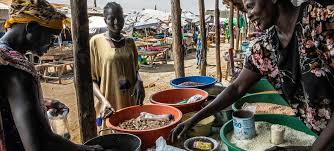
Africa is grappling with a persistent food security crisis, with millions of people facing hunger and malnutrition.
According to recent reports by the United Nations, over 278 million Africans are food insecure, with countries like Somalia, South Sudan, Ethiopia, Niger, and the Democratic Republic of Congo (DRC) among the hardest hit.
This dire situation is compounded by climate change, conflicts, and economic challenges, which continue to disrupt food production and distribution across the continent.
Somalia and South Sudan are experiencing extreme food insecurity due to prolonged droughts and ongoing conflicts.
Ethiopia faces severe hunger, with millions in need of humanitarian assistance amid political unrest and the aftereffects of the Tigray conflict.
In the DRC, years of armed conflict have devastated agriculture and displaced millions, leaving vast swaths of the population vulnerable to starvation.
Niger and the wider Sahel region suffer from food shortages exacerbated by desertification and militant violence.
Southern African nations, including Zimbabwe and Malawi, are grappling with erratic rainfall patterns that have severely affected crop yields.
The escalating hunger crisis poses a significant challenge to Africa's progress toward the United Nations' Sustainable Development Goal (SDG) of Zero Hunger by 2030.
However African ought to work together to find solutions to the food insecurity problem.
Promoting sustainable practices such as drought-resistant crops and efficient water management to combat the effects of climate change.
Encouraging partnerships among African nations to ensure food supply chains remain resilient and efficient.
Mobilizing investment from private enterprises to support innovation in farming, storage, and distribution systems. Providing access to financing, training, and technology to improve productivity and reduce post-harvest losses.
