

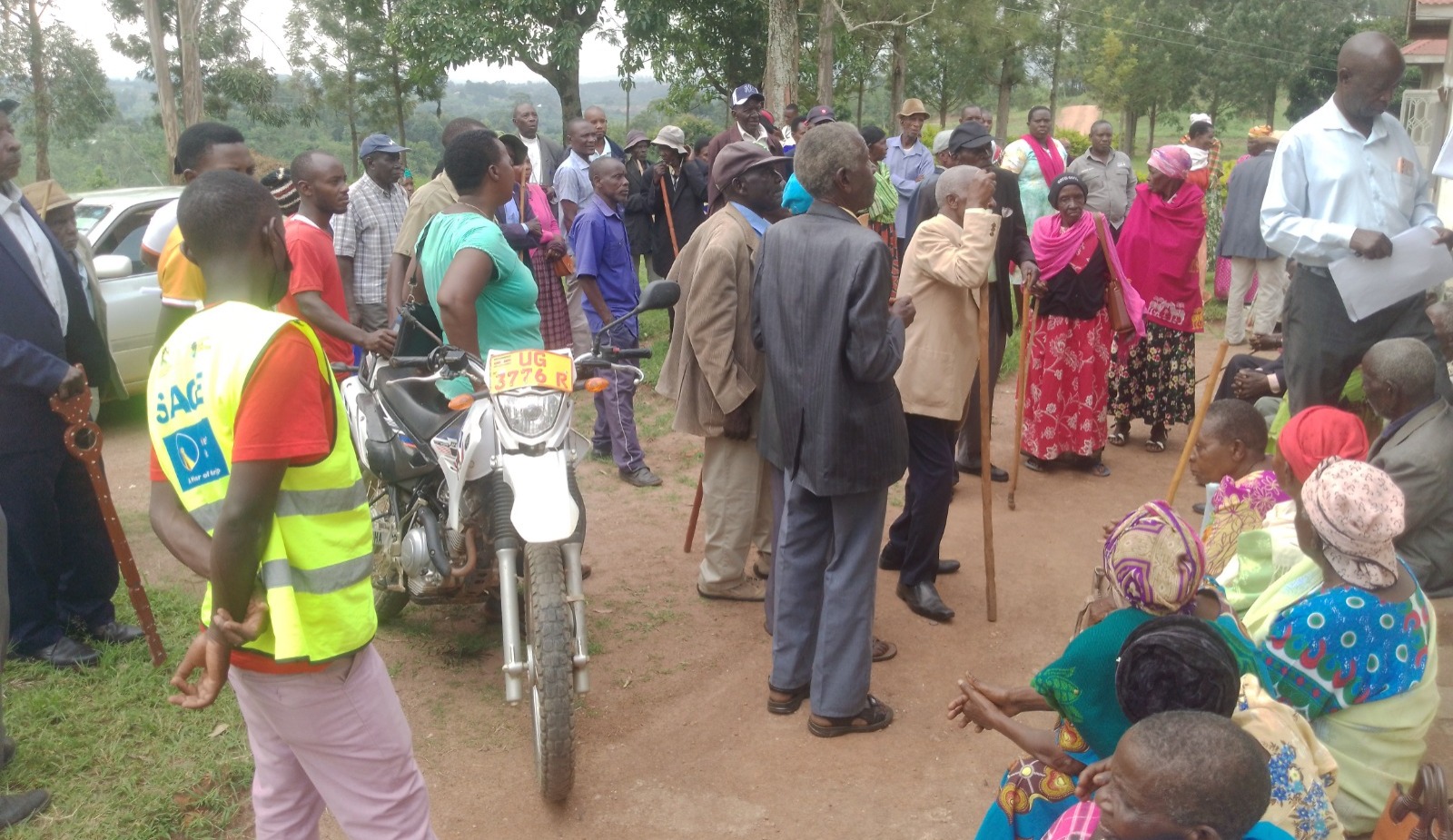
A significant portion of Uganda's workforce faces a precarious future due to inadequate retirement savings.
According to the National Labour Force Survey 2021, the employment-to-population ratio stands at a mere 43%, indicating that less than half of the working-age population is employed.
Furthermore, a staggering 51% of the working population is self-employed in the informal sector, where access to employer-sponsored retirement benefits and social security provisions is virtually non-existent.
This statistic underscores a looming retirement crisis for a substantial portion of the Ugandan population.
Informal sector workers, including street vendors, small-scale farmers, and artisans, play a critical role in driving the national economy.
However, the absence of formal employment contracts leaves them vulnerable to income instability and with limited access to social safety nets.
The irregular nature of their income, coupled with a lack of financial literacy and limited access to formal financial institutions, makes it challenging for these workers to save consistently for retirement.
As a result, many are at risk of falling into poverty during their old age, often relying on family support or government assistance to survive.
Addressing this challenge requires innovative and targeted strategies. Promoting voluntary savings schemes, such as community-based savings and credit cooperatives (SACCOs) or mobile money-based savings platforms, can help informal sector workers build a financial cushion for retirement.
Expanding access to financial literacy is equally important, equipping these workers with the knowledge and skills needed to make informed decisions about saving and planning for their future.
Developing social protection programs, such as pensions for the elderly and disability benefits, is another critical step.
Innovative mechanisms, such as social insurance schemes tailored to the informal sector, could provide much-needed coverage for this underserved group.
Leveraging technology, including mobile money and digital savings platforms, can also facilitate access to financial services for informal sector workers, bridging the gap between their needs and the resources available to them.
Addressing the retirement and social security needs of informal sector workers is essential for ensuring the well-being of a significant segment of Uganda’s population.
By implementing targeted strategies and embracing innovative solutions, Uganda can establish a more inclusive and equitable social security system that safeguards all its citizens, regardless of their employment status.
