

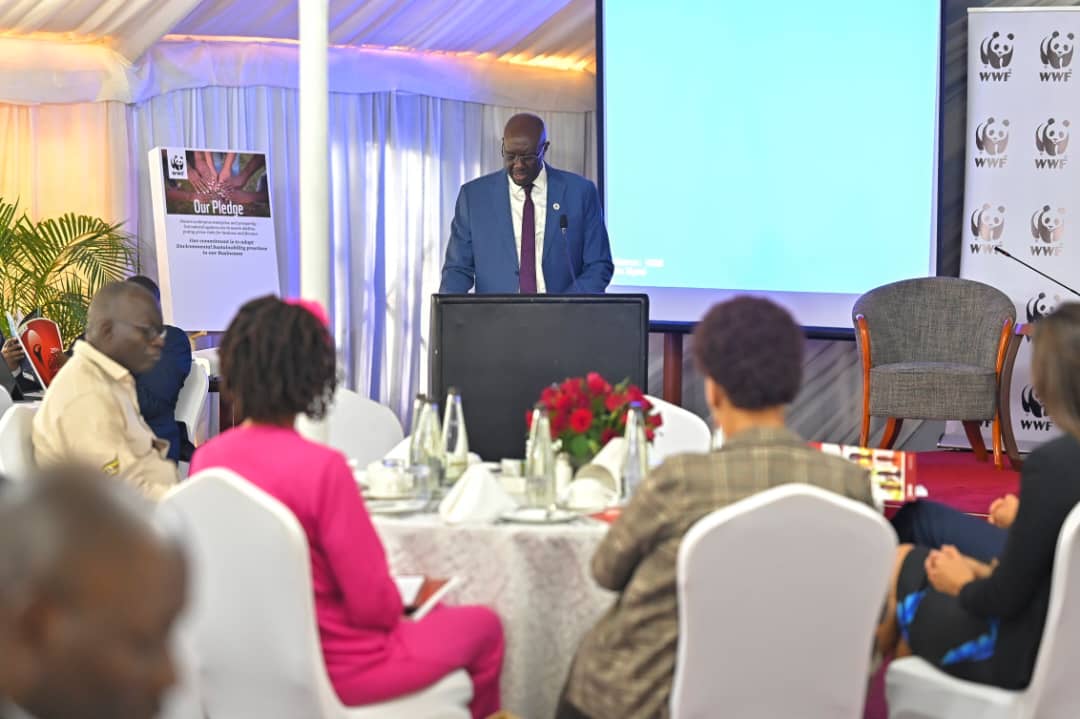
A new study by the World Wide Fund for Nature has indicate a great decline in Uganda’s wildlife and aquatic life.
The 2024 WWF’s Living Planet Report named ‘System in peril’ indicates that globally, the earth is approaching irreversible global tipping points driven by nature loss and climate change, such as the dieback of the Amazon rainforest and the mass die-off of coral reefs and that these tipping points would create shockwaves far beyond the immediate area impacting food security and livelihoods.
According to WWF's Forest Markets Transformation Manager, Harold Turinawe, in Uganda for example the population of lions, hippos and leopards has continued to decline.
"For example hippos have reduced from 20,000 to 10,000 , leopards figure we say are 1000 , researchers say they are not even sure about this number," Turinawe said.
Causes
The study points to habitat loss or degradation, overexploitation, climate change, pollution and diseases among the highest causes of decline in wild and aquatic life.
“Common changes in use are caused by unsustainable agriculture, logging, transportation, residential or commercial development, energy production and mining. For freshwater habitats, fragmentation of rivers and streams and abstraction of water are common threats. Marine habitats can be impacted by both activity on land, for example coastal development, and at sea, such as bottom trawling or dredging which can damage seabed habitats,” the study says.
“As temperatures change, some species will need to adapt by shifting their range to track a suitable climate. The effects of climate change on species are often indirect. Changes in temperatures can confound signals that trigger seasonal events such as migration and reproduction, causing these events to happen at the wrong time. For example, misaligning reproduction and the period of greater food availability in a specific habitat.”
Not all is bad
The survey however says the three East African countries of Uganda, Rwanda and Democratic Republic of Congo have seen a 3% increase in the gorilla population.
Commenting about the study, the WWF Uganda Country Director, Ivan Tumuhimbise said they have been working on supporting communities and government in ensuring that ecosystems are treasured but also ensure that communities that depend on them can thrive.
He insisted that the onus is one everyone to ensure protection of biodiversity.
“Often times we think that maybe it’s the job of the government but the call we are making is that it is everyone’s responsibility. We all do business but you can only thrive in business if the planet and communities are thriving,” Tumuhimbise said.
The WWF Uganda Country Director noted that partnerships can go a long way in ensuring protection of biodiversity.
“My message is that we need partnerships that can actually help us save the planet.”
UWA Executive Director, Sam Mwandha, noted that it is appalling that natural forests are cut and replaced by eucalyptus and pine yet the biodiversity in natural forests is what sustains a much longer population, not only for wildlife but also plants as well.
He also called for concerted efforts to protect nature.
"Dear colleagues, the time is now to take action at individual , household and , institutional levels. At all levels, we need actions that will reverse these alarming trends, actions that will ensure that nature and humanity thrive for the better being of all Ugandans and the world at large," Mwandha said.
