

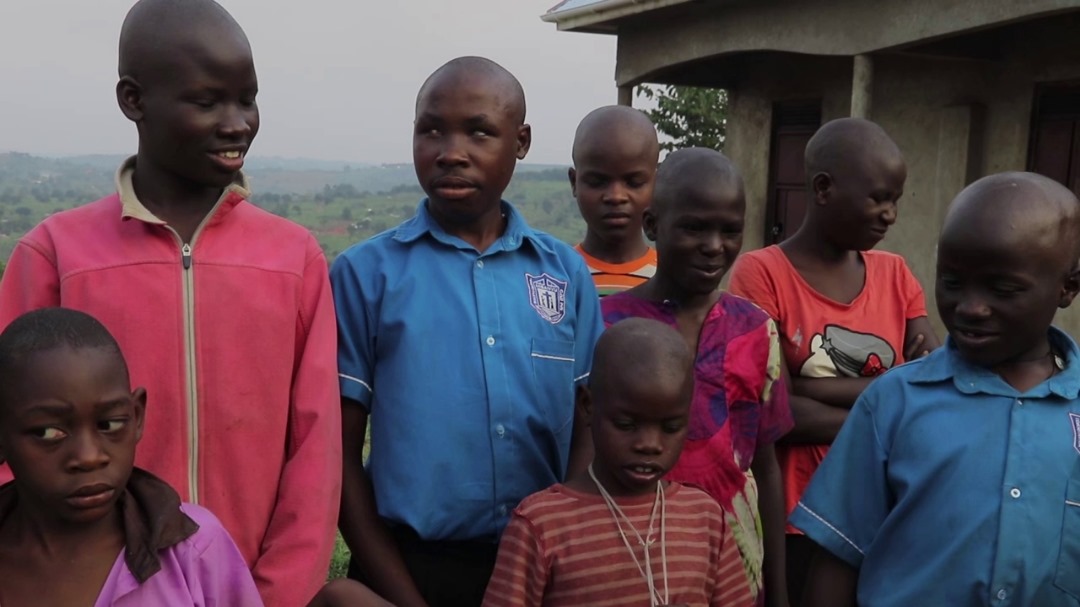
Leaders of people with special needs in Bukomansimbi district have urged government to establish a program ensuring that every teacher graduates with qualifications to teach students with disabilities, particularly those who are blind and deaf.
This plea follows an increasing shortage of specialized teachers in the district, as highlighted by Muhammad Ssemanda, the chairperson of the Bukomansimbi disabled persons.
According to Ssemanda, Misanvu Special Needs Education Unit, located in Kibinge sub-county, Bukomansimbi district, is one of the few schools serving disabled pupils in the greater Masaka region.
In 2022, the school suffered significant damage when termites destroyed textbooks and other educational materials.
This catastrophe forced educators to integrate disabled children with their non-disabled pupils at the nearby Misanvu Demonstration Church of Uganda Primary School.
This arrangement, however, has been far from ideal, according to Deputy Headmistress Florence Nakabuye.
"The law states that one teacher should teach only five children, but we have different categories of disabilities here—severe, moderate, and mild. Severely disabled children require one-on-one teaching, while moderately disabled children need a two-to-one ratio. Unfortunately, we lack the resources to meet these needs," Nakabuye explained.
Currently, the school has only three teachers for 79 visually impaired pupils, far below the required number.
The shortage of appropriate teaching materials exacerbates the issue.
Nakabuye stressed the urgent need for braille textbooks, particularly in mathematics, to align with the frequently changing curriculum.
"Despite our professional qualifications, we need textbooks. If the government could allocate funds for at least one textbook per year, it would significantly enhance our pupils' learning experiences," she added, noting that a single textbook cost approximately shs300,000.
Students also face significant challenges due to the lack of specialized teaching.
Lydia Kyomukama, a blind pupil in Primary Five, shared her difficulties.
"Our teachers don't understand the language of the blind. I often need someone to read aloud what the teacher has written on the blackboard, but finding help is tough. Fellow students sometimes refuse or read too quickly for me to take notes," she said.
Sylivia Najjumba, in Primary Seven, fears that the lack of qualified teachers will impact her performance in the upcoming Primary Leaving Examinations (PLE).
"I came from Kigejjo in Sembabule district to study here, but this issue might affect my goal of achieving nine aggregates in PLE," she lamented.
Fred Mugabi, the headteacher of Misanvu Demonstration Church of Uganda Primary School, highlighted the financial constraints.
"The shs5 million provided annually by the government for supporting disabled children is insufficient. High costs of specialized supplies, like ream papers and braille equipment, strain our limited budget," he noted.
Ssemanda emphasized the critical need for legislative action.
"With over 70 disabled pupils and only three teachers, the shortage is glaring. I urge the government to ensure that all graduating teachers are equipped to teach students and pupils with disabilities. We have many children with disabilities but not enough qualified teachers," he stressed.
Currently, the greater Masaka region has only two schools dedicated to children with disabilities; Misanvu Special Needs Education Unit in Bukomansimbi district and St. Mark School for the Deaf in Villa Maria, Kalungu district.
The call for inclusive education training is not just a request but a necessity for ensuring that every child receives the education they deserve.
