

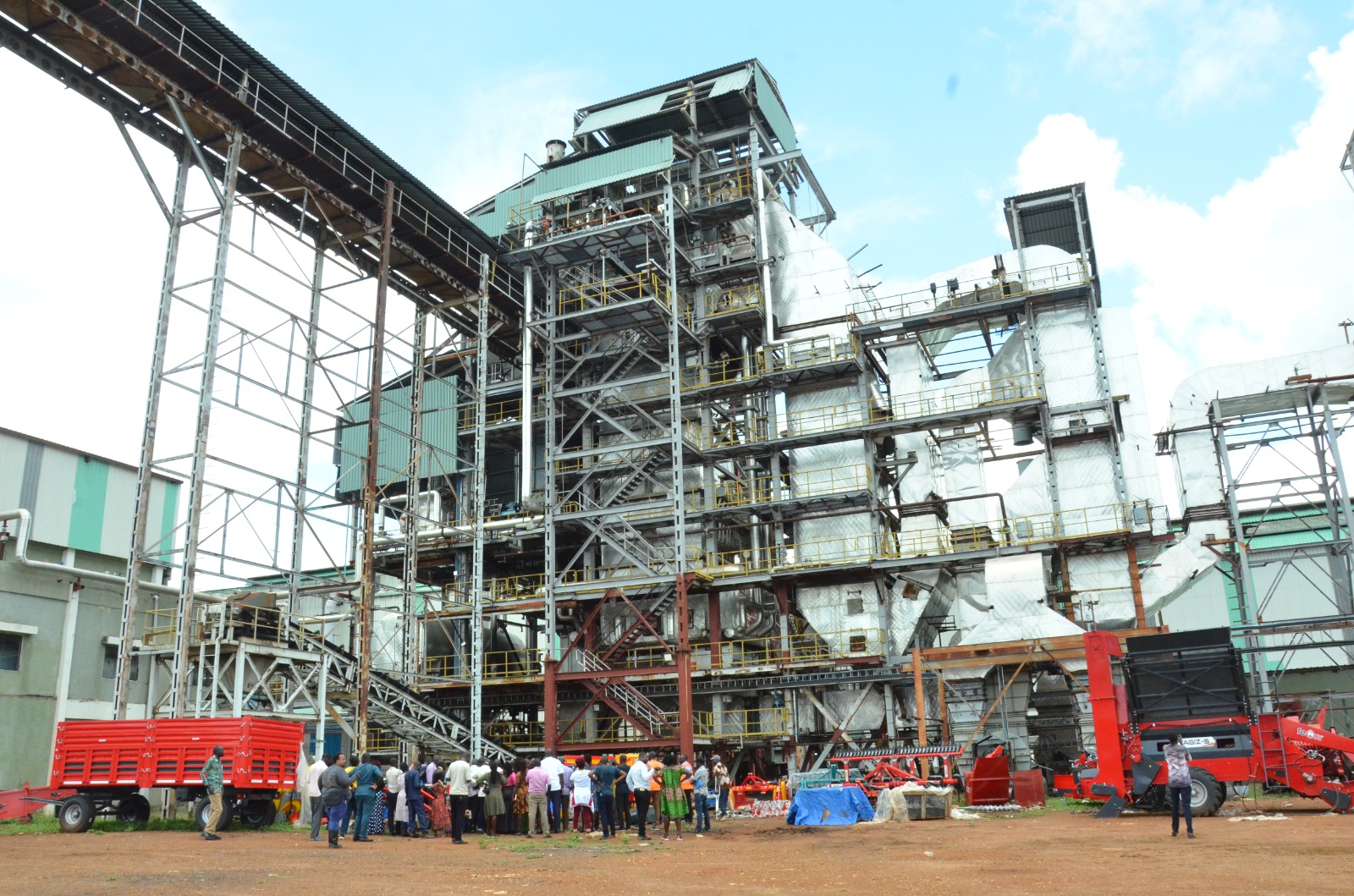
Once upon a time in the heart of East Africa, the vibrant and diverse nation of Uganda embarked on a transformative journey towards industrialization. With its lush landscapes, rich cultural heritage, and a burgeoning economy, the country sought to break new ground and propel itself into a new era of development.
It all began with a vision; a collective aspiration to leverage Uganda's resources and potential to build a more robust economy. The government, in collaboration with local businesses and international partners, set out a comprehensive roadmap aimed at diversifying the country's industries and modernizing its infrastructure.
One of the key sectors in this ambitious plan was agriculture. With a significant portion of the population engaged in farming, the government introduced innovative methods and technologies to enhance agricultural productivity. Small-scale farmers were trained in modern techniques, provided access to better seeds, and educated on sustainable farming practices. This led to increased yields and better quality produce, not only meeting local demands but also creating surplus for export.
Furthermore, Uganda invested in its energy sector, understanding that a reliable power supply was vital for industrial growth. Hydroelectric projects were initiated, harnessing the power of the Nile River to generate electricity. This not only provided clean energy but also laid the foundation for powering the industries that would soon emerge.
The government also focused on improving transportation networks, constructing roads and railways that connected different regions of the country. This not only facilitated the movement of goods and people but also encouraged trade and commerce both domestically and internationally.
As industries began to take shape, various manufacturing units sprung up across the nation. Textile factories, food processing plants, and technological hubs emerged, providing employment opportunities for the growing workforce. Skilled workers and entrepreneurs seized the chance to contribute to the country's development, fostering a culture of innovation and entrepreneurship.
The move toward industrialization not only boosted the economy but also opened doors for foreign investment. With its strategic location and a burgeoning market, Uganda became an attractive destination for global businesses seeking new opportunities.
Amidst this transformation, the people of Uganda embraced the change with enthusiasm. They witnessed the transformation of their nation and were proud to be a part of its development story. Communities flourished, education and healthcare improved, and the standard of living for many citizens rose significantly.
The journey to industrialization was not without its challenges. There were hurdles to overcome, such as ensuring sustainable practices, managing environmental impacts, and maintaining inclusivity. However, through perseverance, collaboration, and a shared determination, Uganda continued to progress and evolve.
Years passed, and Uganda's transformation into an industrial hub became a beacon of success, inspiring other nations in the region. The once-agrarian society had transitioned into a thriving industrial economy, creating a brighter future for generations to come.
And as the sun set on Uganda's horizon, the nation stood proud, having realized its dream of becoming a symbol of progress and innovation in the heart of Africa
