

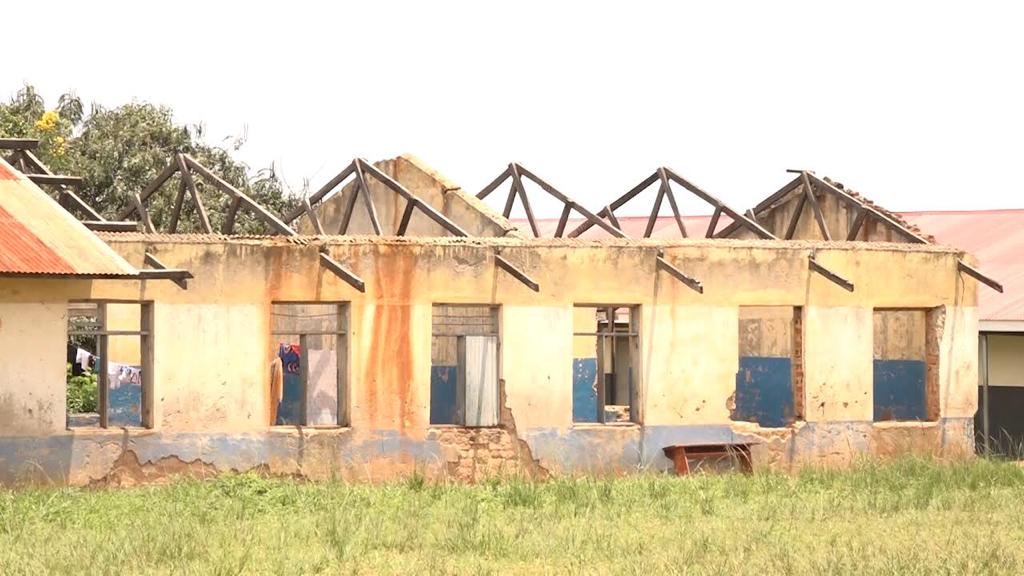
The Central Government has been blamed for the failure to carry out projects under the Development Response to Displacement Impacts project (DRDIP) in Hoima district.
The projects have been halted because the government only awarded tenders to one contractor.
At least shs 6 billion is sitting idle on beneficiary accounts designated for school construction in the Bunyoro subregion.
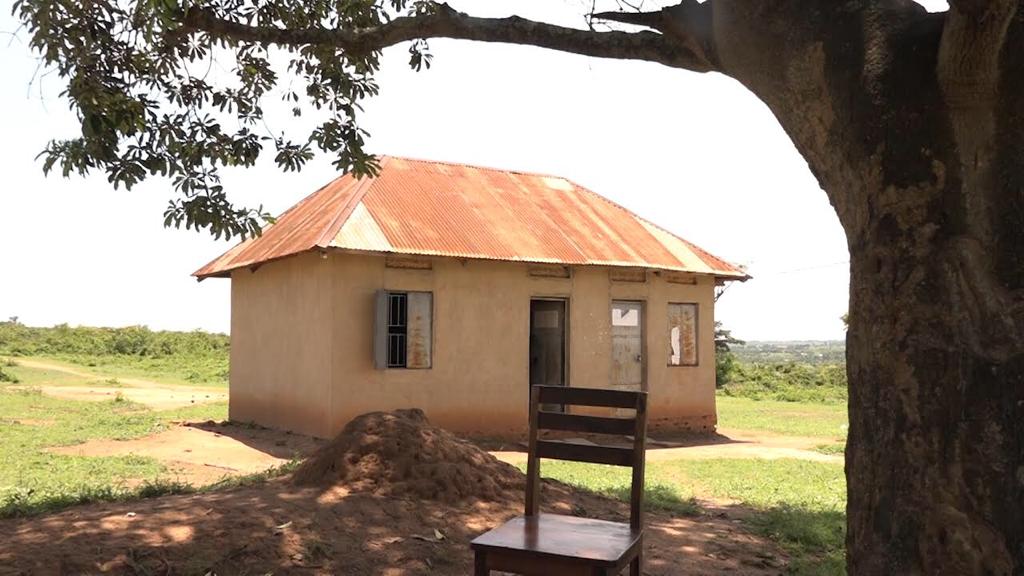
The first was Kabaale primary school, located in Kabaale village, Buseruka subcounty, Hoima district.
The school is supposed to benefit from the development Response to Displacement Impacts project (DRDIP), which is supposed to build new school infrastructure but has only been proposed on paper.
"They promised to build new school structures, which hasn't happened because contractors say the money on the group's account is insufficient for them to operate effectively," according to Kyamanywa John, the school's deputy headmaster.
Over shs 400 billion was set aside for the construction of a portion of the school, which included, among other things, a classroom block, drainable toilet stalls, a staff room block, and teachers' quarters. The funds released in the previous quarter are still sitting idle on their accounts.
"We have more than 300 million shillings on our account, which the contractors want increased to over 400 million shillings so that they can begin working." Kyamanywa explained.
So far, the school has received a drainable toilet stance from the project, which was built due to the school's growing student population.
The drainable toilet stance, which cost more than 56 million shillings, was supposed to be built at the same time as the classroom blocks and staff quarters, among other things.
"We were out of latrines when DRDIP came in and built a four-stance latrine." Kyamanywa elaborates.
To ensure that the school benefits from the project, the school is now advertising for a new contractor who will work within the school's budget, causing a further delay in project implementation.
The same thing is happening at Buseruka Secondary School. The school only has four classrooms in one building and a principal's office.
The painted classroom walls on the outside are intended to conceal the holes in the classroom floors.
The school hopes to use the over 800 million DRDIP funds to give the school a facelift.
"We are expecting six class rooms, a library, a staff room, and a head teachers' office from the project to see that the school changes from this one block that we have," explains Tibayijuka.
Tibayijuka, the school's principal, adds that the school has now rejected the government contractor and is looking for a new one.
"The first contractor we were given did not meet the required standards, so we re-advertised to find our own contractor, and the procurement process will begin." He said something.
DRDIP is a project funded by the World Bank that operates in refugee host community districts. Infrastructure development (roads, schools, and health facilities), livelihood and sustainable environment, and natural resource management are the three components of the project.
Communities take the lead in all three components, forming the community procurement committee to find a contractor and the community project management committee to oversee implementation.
However, under component three of sustainable environment and natural resource management, communities are referred to prequalified service providers (implementation partners), who are paid by the community upon completion of the work and satisfaction.
In the Hoima district, it is alleged that this is not the case because some projected handlers have vested interests, while others demand large kickbacks from contractors, causing the project to be delayed at times.
Katera Tulyabagyenyi, the president's area representative, promises to look into the matter thoroughly.
With all of this confusion, who is to blame for the DRDIP project delays and the resulting confusion?
"The contracts are awarded to only one contractor by the centre (central government). And when it is awarded centrally, you find that the same contractor is working on the same project in Hoima, Kikuube, and Buliisa, resulting in inefficiency and project delay." Tulyabagyenyi explained.
The newly appointed RDC of Hoima districts adds that if the local government is allowed to appoint its own contractors, project delays will be eliminated unless otherwise specified.
Kikuube is no stranger to this mess; here, builders are raising concerns about the high cost of materials, requesting additional funds that have already been allocated.
Peter Banura, the district chairperson, expresses his concern, hoping that the government can work with the funder (World Bank) to figure out how to deal with such a situation.
"Construction materials are so expensive that contractors want more money than the project's initial budget." We hope the government will investigate the situation with the funder." Banura explained.
