

Prime Minister Robinah Nabbanja has said that government takes cognizance of the hiked prices of essential commodities in the country and this should be attributed to post-lockdown issues.
According to Nabbanja, the government has looked into the issues of the skyrocketing prices for these commodities and they all point to the increased demand for raw materials following the global re-opening of economies after covid-19 lockdowns.
“We have taken the trouble to find out what is happening elsewhere and the prices are going up. All companies opened up at the same time and they are overwhelmed by the demand in all countries across the globe, raw materials are imported on global demand, that is why,” she said.
Nabbanja pointed out countries like China, Malaysia, Indonesia which she said are demanding for materials to produce for sale, in the end affecting the market.
Uganda’s prices started through a fuel crisis and the government then maintained that the fuel prices were only for a short while following a gridlock at the border citing a protest by drivers against the fees slapped on covid-tests.
The government would later claim there were shortcomings in the fuel marking system at the border which caused the delay to dispatch trucks to their final destinations.
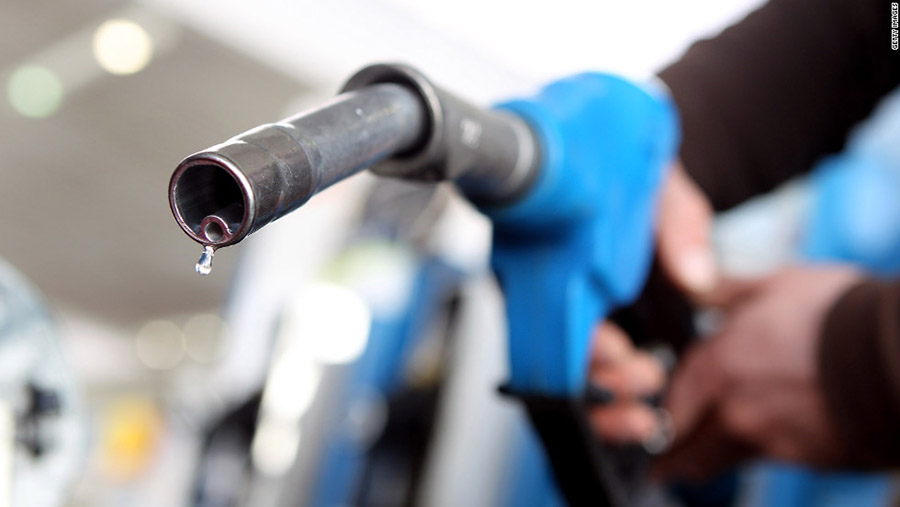
In the meantime, Nabbanja passed a directive to different petrol stations not to sell fuel beyond Shs5000 or risk closure, a directive she would late soften when she called upon Ugandans to boycott petrol stations selling beyond Shs5000.
Nabbanja’s soft stance left Ugandans at the mercy of the Petrol Station owners, in the end, the fuel rose to above Shs5000 and currently sells between Shs5100 and Shs5300.
While speaking at the International Women’s Day celebrations last week, President Museveni attributed the rise of prices of essential commodities to the war between Ukraine and Russia.
