

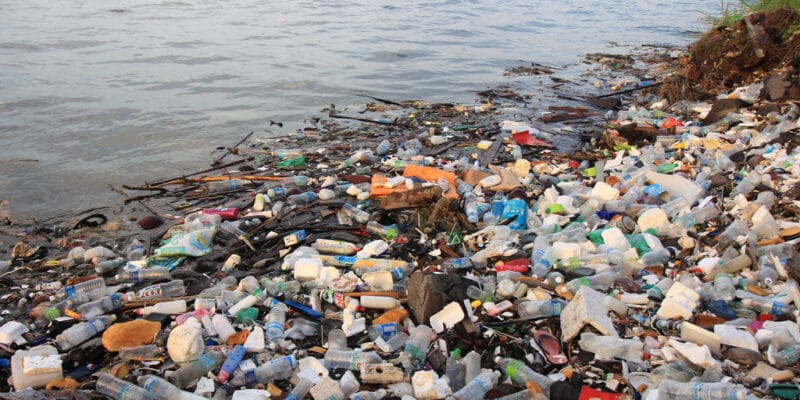
On a journey to Katanga, one of the slums in Kawempe division, a Kampala suburb, The Nile Post witnessed used plastic bottles, polythene bags that were littered everywhere along the roads, pathways and drainage systems.
Although, plastics were initially assumed to be harmless and inert, many years of plastics disposal into the environment has led to problems.
Environmental pollution by plastic waste is now recognised widely as a major environmental burden especially in the aquatic environment where there is prolonged biophysical breakdown of plastics.
Innocent Kaggwa, a resident of Katanga in Kawempe division, said that given the situation in his area, they could not do away with the plastic bottles and polythene bags which have been proved to be dangerous not only to humans but also animals.
Kaggwa explained that proper disposal of these non-biodegradable materials is still a big challenge in slum areas meaning that most of these plastics will end up in the water channels hence affecting the drainage systems.
He blamed the Kampala City Capital Authority (KCCA) for failing to do its job adding that the drainage system which is meant to channel the water to the Lubigi area are all blocked by plastics and polythene bags commonly known as Kaveera.
Due to irresponsible disposal of plastic bottles and bags, environmental experts said the drainage systems get blocked causing flooding in these areas.
Experts noted Uganda has one of the best policies and institutional frameworks for integrated waste management in Eastern Africa, however, the bulk of this has remained on paper and the challenge remains on how to translate policy aspirations into actions on the ground.
The Kampala central division mayor elect, Salim Uhuru said people living in slums are capable of getting rid of these plastics through sensitisation to change the mindset of the people.
"80%of the floods are caused by two things, one is either building on the drainage systems or littering of bottles and polythene bags (Kaveera) in the drainage systems, so they get blocked," said Uhuru.
Dickens Kamugisha, the executive director of African Institute for Energy Governance, said that plastics have done more harm than good by blocking most of the drainage channels in the city.
He told The Nile Post that Uganda needs to strengthen its cross cutting policy and institutional implementation mechanisms if the country is to effectively protect its natural wealth and human capital from the effects of poor waste management.
Studies by a consortium of NGO’s reveals that the population are releasing 600 tonnes of plastic in Kampala every day and less than 3% is properly disposed off and then reprocessed. The rest gets into the environment.
Plastics are made up of synthetic organic polymers which are widely used in different applications ranging from water bottles, clothing, food packaging, medical supplies, electronic goods, construction materials, among others.
In 2009, the Parliament approved the ban on the importation, manufacture and use of polythene bags which are below 30 microns.
