


New research by Mbarara University of Science and Technology (MUST) has uncovered a widening communication gap in Ugandan households, with young teenagers increasingly turning to the internet and their peers for guidance on sensitive health matters instead of their parents.
The findings, released under the Caregiver-Adolescent Sexual and Reproductive Health Communication among Refugees and Host Communities project (CONNECT), highlight what researchers describe as a “communication vacuum” that is leaving adolescents vulnerable to misinformation and risky behaviors.
Lead researcher Violah Nyakato said the study shows that adolescents aged 10–14 are navigating sexual and reproductive health issues with little or no guidance from caregivers.
“The data shows that very young adolescents rely on unreliable networks. There is a profound silence in homes regarding physical and emotional development,” Nyakato said.
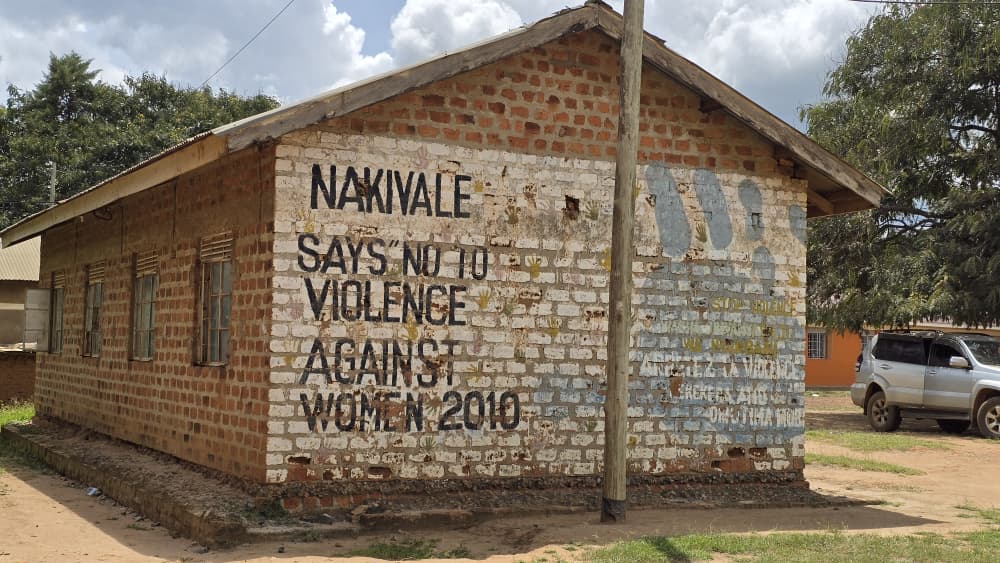
The three-year study focused on communities in Nakivale Refugee Settlement and Bidi Bidi Refugee Settlement, examining how both refugee and host populations handle conversations around adolescent health and development.
Researchers found that where open communication exists between caregivers and adolescents, the impact is significant. Teenagers who can freely discuss such issues at home are far less likely to engage in high-risk sexual behavior.
“The research found a life-saving link: teenagers who have open lines of communication with their caregivers are significantly less likely to engage in risky sexual behaviors,” Nyakato said.
The findings have prompted renewed calls for a shift in approach, with experts urging communities to move beyond school-based sexual and reproductive health programs and instead empower parents to take a more active role.
Pauline Byakika Kibwika, Vice Chancellor of MUST, emphasized the importance of translating research into practical community action.
“I want to commend Dr. Violah Nyakato and Dr. Achen for this research. Let us not just stop at publishing but make this information practiced by our people and communities. As MUST, we are committed to supporting community-based research to solve challenges like these,” she said.
Local leaders have also raised concerns about the broader social implications. Alone Turahi linked the lack of sexual and reproductive health knowledge to instability in relationships among young couples.
“The lack of sexual reproductive health information and education is one of the reasons our young couples are not sustaining their marriages today. We need to step up, and this initiative is a silver bullet,” Turahi said.
Parents themselves acknowledge the challenge. Byarugaba Rudoviiko, a caregiver involved in the study, said many parents lack the confidence to address topics traditionally considered taboo, leaving a vacuum that is quickly filled by online sources.
The CONNECT project concludes that addressing adolescent vulnerability requires a dual approach—equipping young people with accurate information while simultaneously empowering parents to lead conversations at home.
“We must move beyond schools and start empowering parents to lead these ‘difficult’ conversations,” Nyakato said.
Researchers warn that unless the silence within households is broken, more adolescents will continue to rely on unverified online information, increasing their exposure to misinformation and potentially harmful decisions.
