Muslim leaders in Jinja have raised concern over what they describe as underrepresentation in the newly appointed Cabinet, calling on President Yoweri Museveni to consider increasing the number of Muslim ministers to reflect the country’s growing Muslim population.
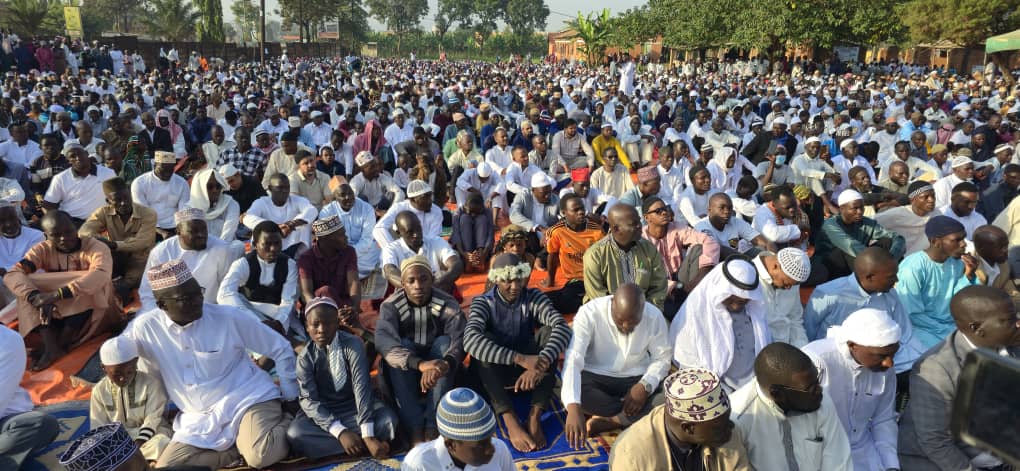
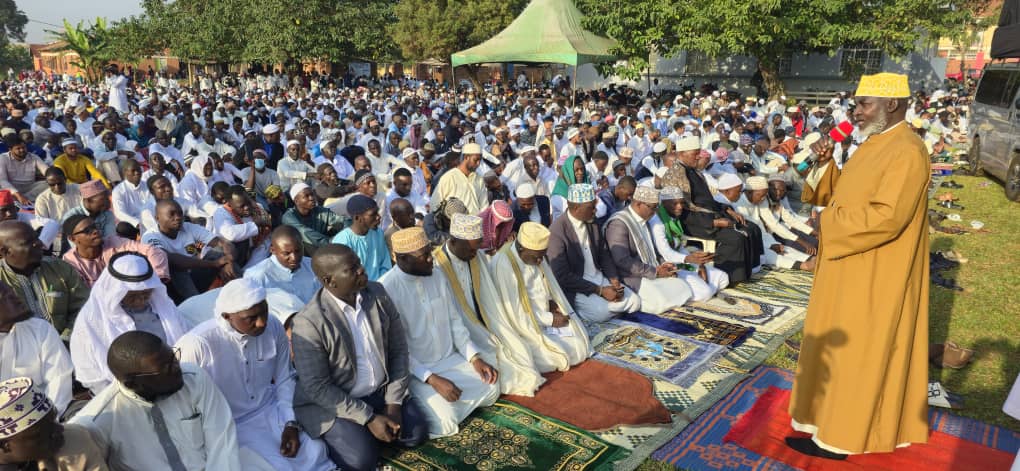
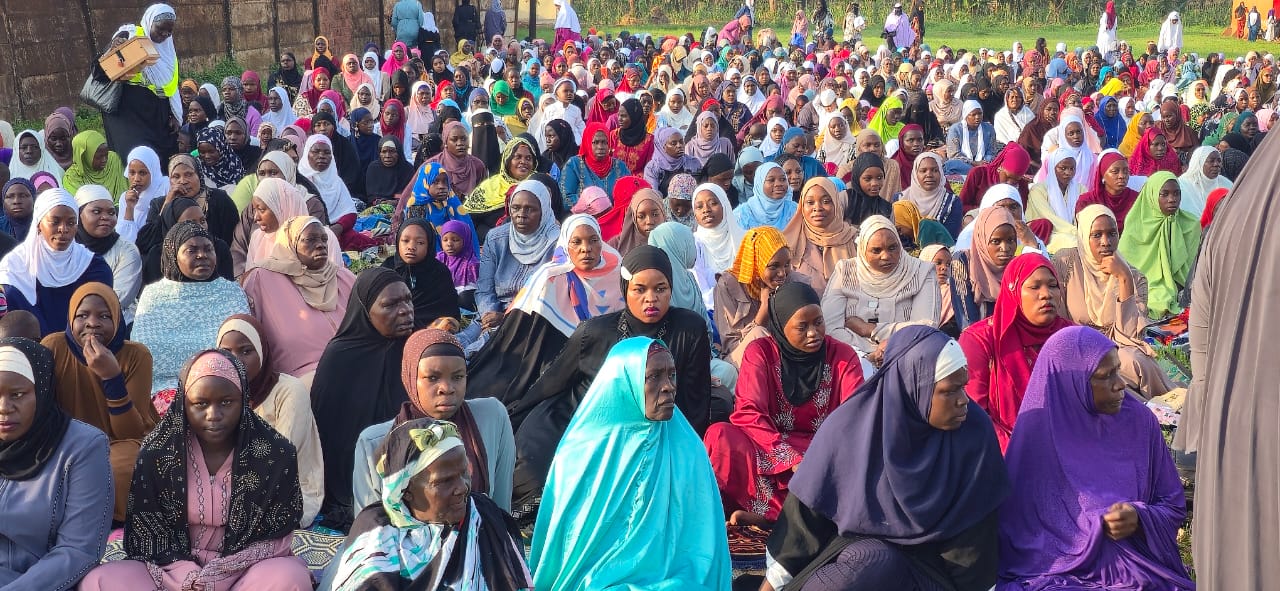
The concerns were voiced during Eid al-Adha prayers held at Mvule Crescent Muslim Grounds in Jinja City, where hundreds of worshippers gathered in a peaceful and reflective atmosphere to mark one of the most significant days on the Islamic calendar.
Leaders used the occasion not only for prayer but also to highlight governance and representation issues, particularly the allocation of ministerial positions.
The Muslim community questioned the distribution of Cabinet slots, noting that Busoga sub-region, which has a population of more than four million people, was allocated only five ministerial positions.
While addressing the congregation, the Busoga Regional Assistant to the Mufti, Sheikh Muhammad Bowa, commended government for its ongoing fight against corruption, saying the campaign had helped restore public confidence in leadership. However, he cautioned against selective enforcement.
“We commend the government for the fight against graft, but all corrupt officials must be held accountable. If action is only taken against a few individuals, many people will perceive the anti-corruption drive as a political witch-hunt rather than a genuine effort to clean up the system,” Sheikh Bowa said.
At the same gathering, the Director of Sharia at the Uganda Muslim Supreme Council, Sheikh Ziyad Lubanga, expressed dissatisfaction with the limited number of Muslims in Cabinet, urging authorities to embrace inclusivity in national leadership.
“We have learnt of the newly appointed ministers, but as Muslims, we are not satisfied with the level of representation. The Muslim population has grown, and many qualified individuals are capable of serving in Cabinet,” Sheikh Lubanga said.
He further argued that increasing Muslim representation could strengthen governance, particularly in efforts to fight corruption.
“As Muslims, we have strong values that promote accountability. If the government is serious about fighting corruption, incorporating more Muslims into leadership could reinforce that effort,” he added.
Sheikh Lubanga also urged Muslims who are financially able to participate in the ritual slaughter associated with Eid al-Adha and to share meat with the less privileged, including non-Muslims, in the spirit of unity and compassion.
Following the prayers, worshippers took part in the traditional animal sacrifice, commemorating the willingness of Prophet Ibrahim to sacrifice his son in obedience to God, a central moment in the Eid al-Adha tradition.
The calls by Muslim leaders come amid broader national discussions on equity, inclusion and regional balance in government appointments, with stakeholders increasingly advocating for representation that reflects Uganda’s diversity.