

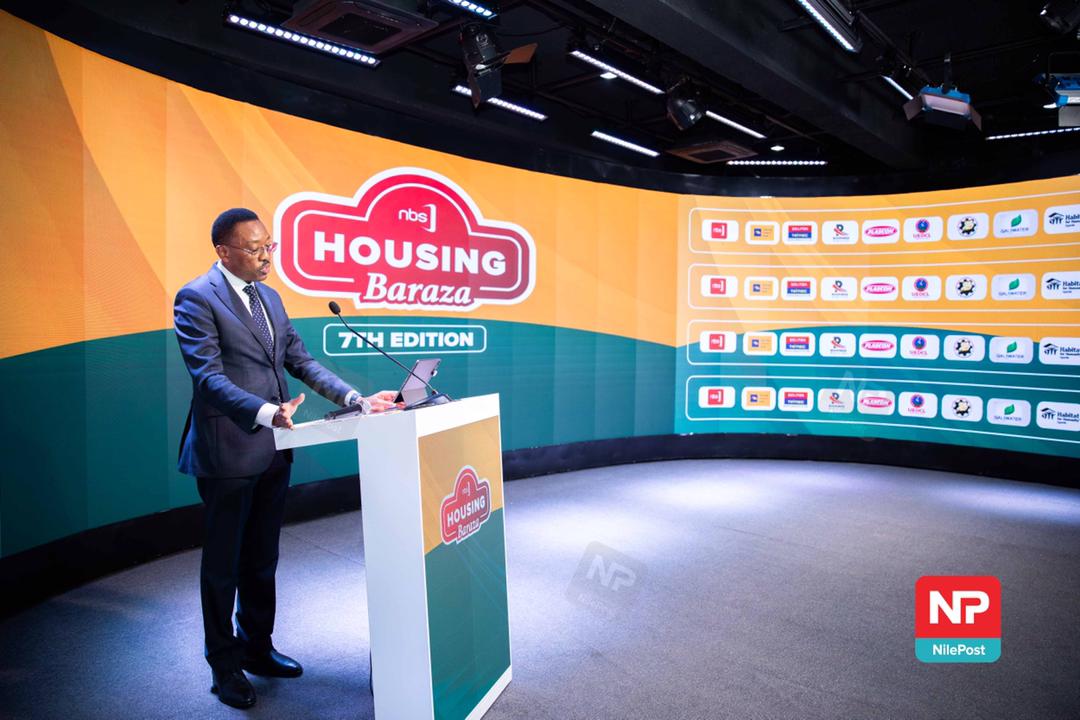
At the 7th Edition of the NBS Housing Baraza, the discussion on homeownership went straight to Uganda’s underlying structural barriers.
Despite rising demand for long-term housing, mortgage uptake remains stubbornly low, a reality that Housing Finance Bank — the sector’s leading lender — addressed with unusual candour.
John B. Kaweesi, the bank’s Head of Mortgages and Consumer Banking, outlined the systemic hurdles that continue to keep many Ugandans from securing mortgages.
“The uptake of mortgages is still low in Uganda, with issues around titled land being one of the challenges. Another is structured income, as well as financial inclusion,” he said.
His remarks reflected a landscape where ambition often collides with bureaucracy: land without proper documentation, fluctuating or informal income, and a financial system that still excludes large portions of the working population.
Kaweesi said the bank is working to help customers build long-term economic resilience.
“We work with you to move you from where you are to a business that is going to last over the generations to come,” he noted — underscoring that homeownership is more than a transaction; it is a step toward economic identity.
Michael Mugabi, the Managing Director of Housing Finance Bank, placed the debate in human terms, focusing on the impact stable housing has on livelihoods.
“Housing is the difference between living month to month and living decade to decade,” he said. “Turning tenants into owners and owners into investors and investors into contributors to community stability.”
His argument resonated in a country where a large majority of workers rent, and the shift to ownership represents not only financial security but social stability for families and communities.
Held under the theme, “A Home for Every Ugandan,” this year’s Baraza underscored the need for coordinated action among financiers, planners, builders, utilities and regulators.
Housing Finance Bank’s frank assessment highlighted a difficult truth: while the ingredients for wider homeownership exist, the system remains misaligned.
But the tone at the Baraza suggested momentum is building. The conversation is becoming more grounded in the realities of everyday Ugandans, with a clear recognition that the challenge is no longer about whether homeownership is possible — but whether the country can remove bottlenecks quickly enough to meet growing demand.
