

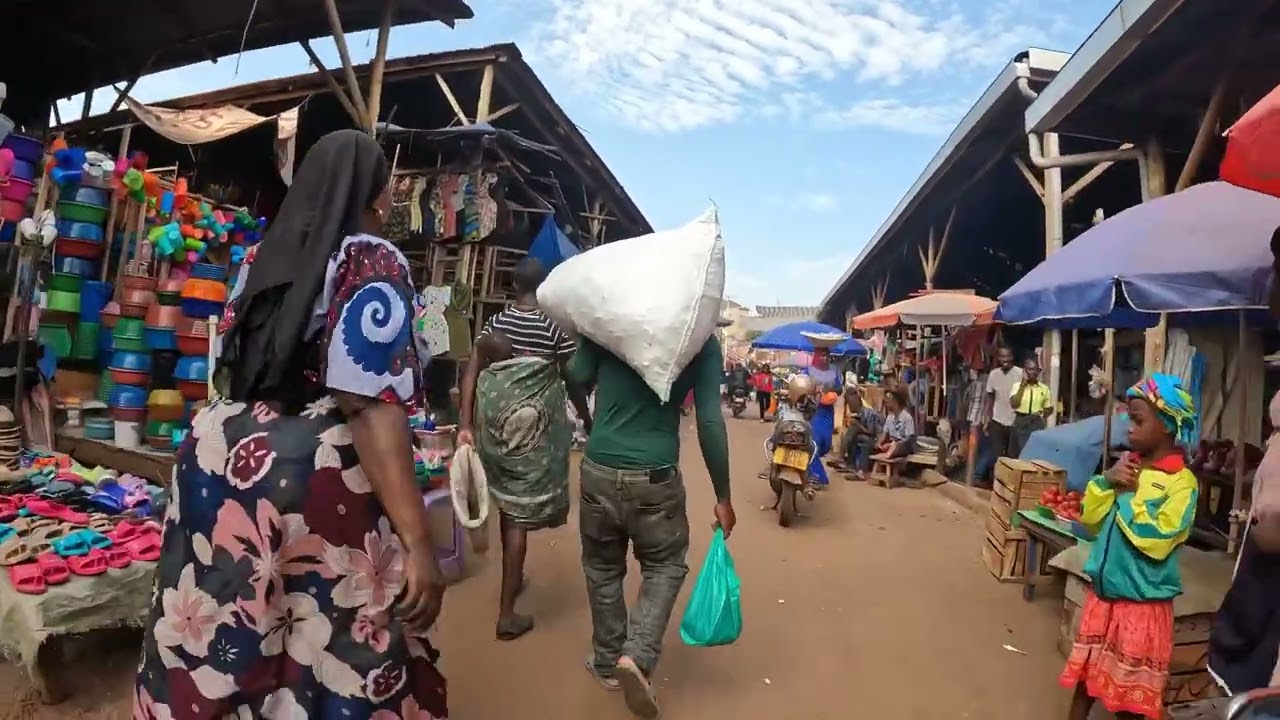
Kampala Capital City Authority (KCCA) has reported a significant increase in market occupancy and business formalisation after the government intensified enforcement against street vending and illegal trading in the capital.
In February 2026, KCCA launched an operation targeting vendors operating on walkways, road reserves, and other unauthorized public spaces, forcing many to relocate into gazetted markets and designated trading areas.
According to Kampala Minister Minsa Kabanda, the city has since registered notable progress in both compliance and revenue collection.
KCCA says 1,663 out of 2,520 available workspaces in its markets have already been occupied, leaving 857 still vacant. The authority attributes the uptake to growing confidence among traders in structured market systems following the enforcement exercise.
“We have also started re-allocating workspaces that have not been utilized in the markets for over 90 days as provided under section 22 of the Markets Act 2023,” Kabanda said.
She noted that the reallocation process has already commenced in Busega Market, where 107 previously unused spaces were identified for reassignment.
The authority also reported a sharp increase in business licensing revenue during the enforcement period. Between February 19 and April 27, 2026, KCCA issued 22,909 new business licences worth Shs 5.07 billion.
This represents a 146 percent increase compared to 15,628 licences worth Shs 3.9 billion recorded in a similar period prior to December 2025.
“Compliance to local revenue contribution has improved markedly,” Kabanda said, describing the trend as “clear evidence of increased formalisation and enhanced revenue mobilisation for the city.”
KCCA says traders who vacated market spaces may appeal through market allocation committees, while new applicants are encouraged to apply through the established administrative channels.
The authority has, however, not yet determined occupancy levels in the 69 private markets operating across the city.
The developments come amid ongoing enforcement of Kampala’s trade order policy, which authorities say is aimed at decongesting the city, improving sanitation, and strengthening urban planning and revenue systems.
