

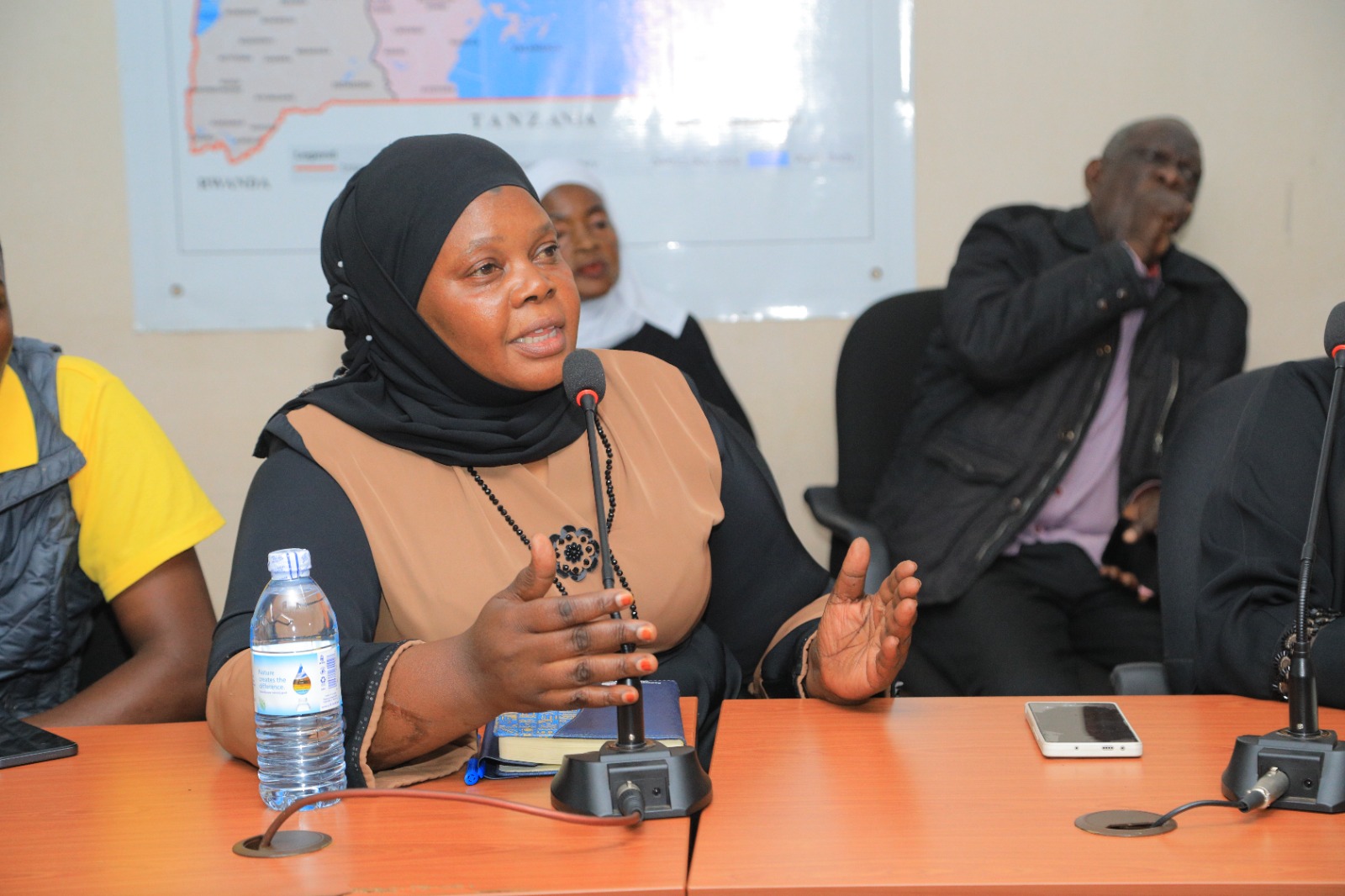
The government has reassured traders affected by the ongoing Trade Order operations that efforts are underway to provide alternative workspaces, in a move aimed at minimizing disruption to their livelihoods.
Speaking during a consultative meeting at the Ministry of Local Government headquarters, the Permanent Secretary, Ben Kumumanya, emphasized the Government’s commitment to supporting displaced vendors and restoring their ability to operate.
“The Government is committed to establishing enough trade spaces to ensure that affected vendors are able to return to business as soon as possible,” Kumumanya said.
The meeting brought together traders’ representatives led by John Kabanda, president of the Federation of Uganda Traders Association (FUTA), alongside key government officials.
Discussions centered on concerns arising from the implementation of Trade Order operations, as well as the need to harmonize enforcement across local governments.
Kumumanya clarified that the policy itself is not the problem, but rather the manner in which it is being executed in different parts of the country.
“The issue is not with the Trade Order policy, but improving how it is implemented,” he said.
He condemned reports of harsh enforcement practices in some areas, including forceful evictions, confiscation of goods, and demolition of structures without adequate notice, warning that such actions undermine the intent of the initiative.
“Such actions go against the intended purpose of the initiative. Enforcement must be carried out in a fair and humane manner,” Kumumanya added.
Representing the Kampala Capital City Authority (KCCA), spokesperson Dan Nuwabine pointed to early outcomes of the policy, noting an increase in the number of licensed traders in the capital.
“Licensed traders in Kampala have increased from 12,536 to over 20,000 since February 2026,” Nuwabine said, attributing the rise to ongoing efforts to formalize businesses and improve urban management.
Kumumanya announced that further engagements with stakeholders will continue, including a follow-up meeting in two weeks to communicate progress after additional consultations.
He also revealed plans for nationwide sensitization campaigns and community barazas aimed at helping traders and the public better understand the policy and its objectives.
The meeting was attended by Charles Magumba, Jones Makula Mukasa, and Presidential Advisor on markets Winnie Atwine, among other officials.
