

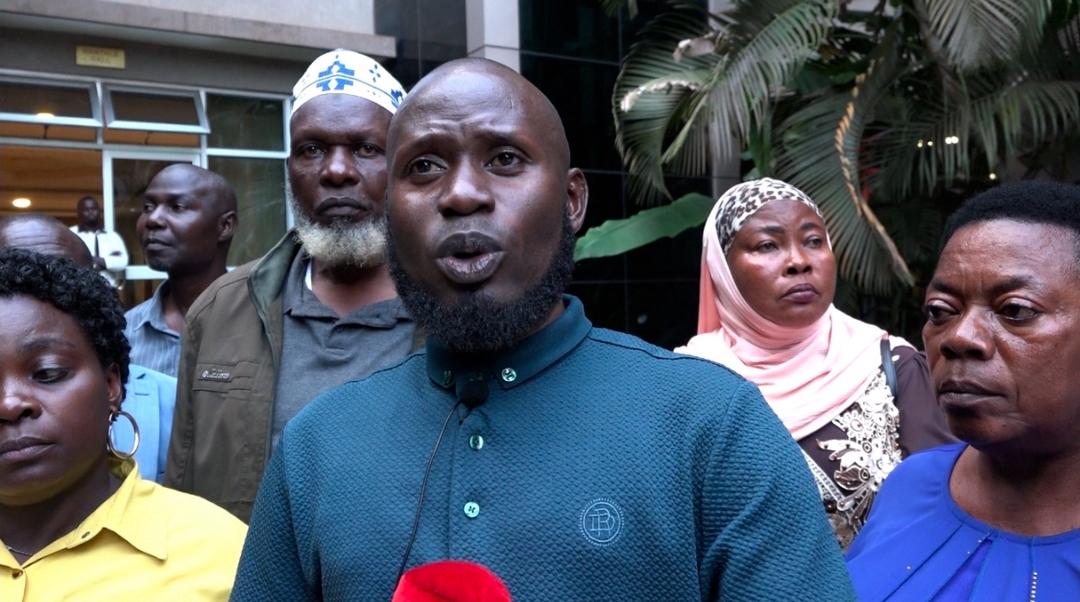
Since the government rolled out an operation targeting business structures operating illegally and outside trade regulations, many traders in Masaka say their businesses have collapsed, leaving them uncertain about their livelihoods.
For the past two months, several traders across urban centres in Uganda have been displaced following demolitions and enforcement operations aimed at removing illegal business structures and restoring order in trading areas.
Government maintains that the exercise is intended to streamline trade operations, improve urban planning, and eliminate unauthorized businesses operating in public spaces.
However, analysts and traders warn that the continued crackdown could severely affect millions of Ugandans who depend on small-scale businesses for survival.
In many parts of Masaka, the impact of the operation is already visible as commercial activity continues to slow down.
At the well-known Nsenene Stage in Nyendo, which has for years served as a busy trading hub, business activity has significantly declined.
The area, once crowded with grasshopper sellers, food vendors, and roadside traders, now appears unusually quiet.
Aminah Nakate, a trader at Nsenene Stage, said business has drastically reduced following the demolitions.
“We used to get many customers every evening, but now business is very low because many traders were removed from their workplaces. Life has become difficult for us,” she said.
Leaders of traders’ associations in the greater Masaka region have since convened meetings to discuss possible solutions to the growing crisis, arguing that small-scale traders remain the backbone of local commerce and household income.
Muzafar Bwoji said the operation has negatively affected thousands of traders who depend on daily earnings to support their families.
“Government should first educate traders and help them regularize their businesses before demolishing their workplaces. Many people are now jobless and struggling to survive,” he said.
Traders also claim that despite reports of a temporary suspension of some demolitions, intimidation and threats of eviction continue in several parts of Masaka.
Allen Namugenyi said many traders are now living in fear and uncertainty.
“Most traders no longer know what tomorrow will look like. People invested their savings in these businesses and now they are stranded,” Namugenyi said.
The traders’ leaders have appealed to government authorities to prioritize dialogue, sensitization, and gradual regularization of businesses before implementing further demolition exercises.
They further warned that rising unemployment among urban youth and informal traders could contribute to increased criminal activity, claiming that cases of daytime theft are already becoming more common in some parts of Masaka.
The ongoing enforcement campaign forms part of wider government efforts to regulate trade operations and urban development across the country. However, the exercise continues to generate debate over how authorities can balance enforcement of regulations with protection of livelihoods for vulnerable small-scale traders.
As thousands of Ugandans continue to lose their sources of income, attention is now turning to whether government will reconsider its enforcement approach and adopt more consultative measures in dealing with informal businesses operating in urban trading centres.
