

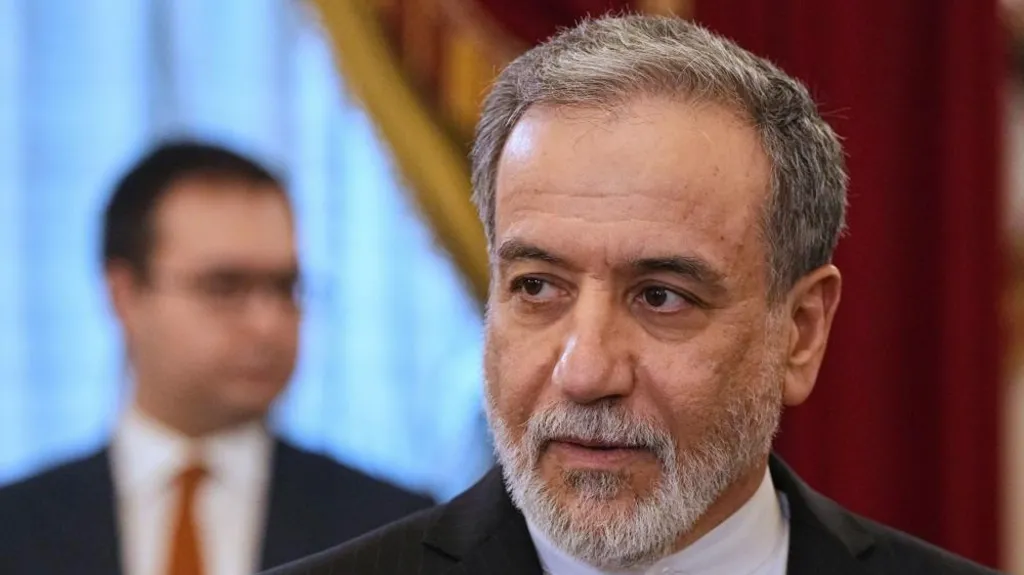
Iran has warned the United States and Israel that any violation of the ceasefire reached between Tehran and Washington would carry consequences, insisting that the truce extends to all fronts, including Lebanon, where clashes between Israeli forces and Hezbollah continue to fuel regional tensions.
Iranian Foreign Minister Abbas Araghchi said the ceasefire must be respected across the region and warned against actions that could trigger a broader confrontation.
“The ceasefire between Iran and the US is unequivocally a ceasefire on all fronts, including in Lebanon,” Araghchi said in a statement.
“Its violation on one front is a violation of the ceasefire on all fronts. The US and Israel are responsible for the consequences of any violation.”
The warning comes as Israeli Prime Minister Benjamin Netanyahu ordered fresh attacks on the southern suburbs of Beirut, a stronghold of the Iran-backed Hezbollah movement, amid accusations that the group has continued attacks on Israeli territory despite a US-mediated ceasefire announced in April.
Netanyahu said Israeli forces would strike what he described as “terrorist targets” in response to attacks on civilians and alleged violations of the truce by Hezbollah.
The latest escalation threatens to derail months of diplomatic efforts aimed at preventing the conflict from expanding into a full-scale regional war involving Iran, Israel, Hezbollah and other armed groups aligned with Tehran across the Middle East.
A senior Lebanese government official said Beirut was relying on US mediation efforts to pressure Israel to halt its own violations and prevent further civilian casualties.
Diplomatic activity intensified over the weekend, with US Secretary of State Marco Rubio holding separate conversations with Netanyahu and Lebanese President Joseph Aoun.
According to US officials, Washington has proposed a phased de-escalation plan under which Lebanese authorities would pressure Hezbollah to halt attacks on Israel, while Israel would refrain from expanding military operations in Beirut and other densely populated areas.
The proposal is intended to create conditions for a broader cessation of hostilities and prevent the conflict from spiraling further.
The latest fighting follows the movement of Israeli troops across the Litani River in southern Lebanon and the seizure of the historic Beaufort Castle, a strategically significant hilltop fortress overlooking parts of southern Lebanon.
Israeli Defence Minister Israel Katz said military operations would continue until Hezbollah's military capabilities were substantially degraded.
“Our campaign is not over,” Katz said, adding that Israel remained determined to crush Hezbollah's power.
Lebanese Prime Minister Nawaf Salam has accused Israel of pursuing a “scorched-earth policy and collective punishment” in southern Lebanon, where repeated airstrikes and military operations have displaced civilians and damaged infrastructure.
The conflict is rooted in the broader regional confrontation between Israel and Iran, which intensified dramatically following the outbreak of the Gaza war in October 2023. Hezbollah opened a northern front against Israel shortly after the Gaza conflict began, saying it was acting in solidarity with Palestinians.
Months of cross-border exchanges evolved into a major military confrontation, with Israel launching extensive operations against Hezbollah positions across Lebanon while the group continued rocket and drone attacks into northern Israel.
International mediators, including the United States, France and regional governments, have repeatedly sought to negotiate ceasefires and de-escalation arrangements, but implementation has remained fragile amid mutual accusations of violations.
Iran has consistently backed Hezbollah politically and militarily, viewing the group as a central component of its regional deterrence strategy. Israel, meanwhile, argues that Hezbollah's military presence near its northern border poses an unacceptable security threat.
With diplomatic efforts struggling to keep pace with developments on the ground, analysts warn that further violations of the ceasefire could jeopardise negotiations and increase the risk of a broader conflict involving multiple regional actors.
