

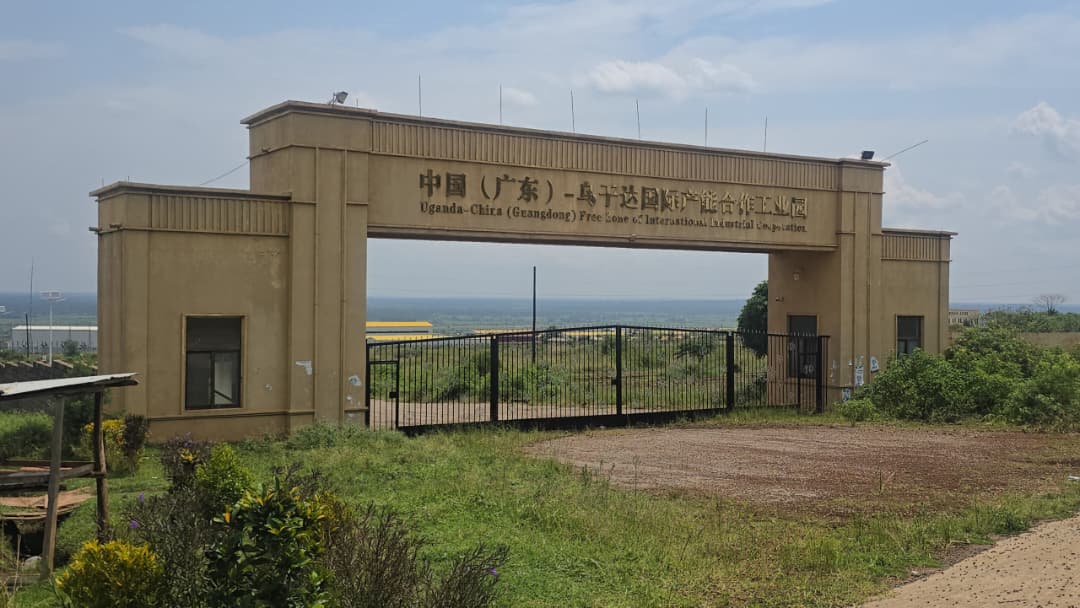
Sitting on more than 265 square kilometres of land on the slopes of Osukuru Hills along the Tororo–Busia Road in Kayoro Sub-county, Tororo District, the Sukulu Phosphate Project was commissioned in October 2018 by President Museveni as a flagship of Uganda’s industrialisation drive.
The multi-million-dollar investment was designed to produce organic fertiliser, steel, glass, bricks and other industrial products, positioning Uganda as a regional hub for value-added mineral production.
Constructed at an estimated cost of $620 million, the factory was later handed over to Guangzhou Dongsong Energy Group for management. It was projected to produce up to 100,000 metric tonnes of organic fertiliser daily, alongside several industrial by-products.
However, after reportedly operating for only a few months, production stalled.
Today, the once-celebrated industrial complex appears largely inactive. Sections of the premises are overgrown with grass, with no visible production activity, although security remains in place.
Local leaders say the expectations raised during commissioning have not materialised.
“They promised that over 3,000 young people would be employed, but nothing is in place. Where are the jobs they talked about?” asked Nathan Orokonjo, Speaker of Kayoro Sub-county.
The project sits on land that previously served as community farmland, where hundreds of families cultivated crops for subsistence and income. Leaders argue that the delayed full operationalisation has disrupted livelihoods and reduced local food production.
“It has greatly affected food production in this community because no one is allowed inside, yet nothing impactful is happening for our people,” said Denis Mopusi, a district councillor.
Kayoro Sub-county officials also say the anticipated local revenue has not been realised.
“We expected revenue to the tune of Shs350 million per financial year, but this has not been realised, and it has affected our operations,” said Boniface Owuta, the Vice Chairperson of Kayoro Sub-county.
According to local authorities, the absence of projected revenue has constrained service delivery and stalled planned development initiatives within the sub-county.
Despite visible inactivity, the Office of the Resident District Commissioner maintains that the factory is operational, albeit at a reduced scale.
Tororo Resident District Commissioner Sadiq Bategana said fertiliser has already been produced and is awaiting buyers.
“If you visit Dongsong’s stores, you will find tonnes and tonnes of fertiliser waiting for buyers. What we need now is to involve more stakeholders to popularise the factory’s products,” Bategana said.
He urged residents not to lose hope, noting that Tororo hosts one of Africa’s significant phosphate deposits and insisting that the district still stands to benefit from the project.
“Tororo has the second-largest phosphate deposit in Africa. Why should our people lose hope?” he added.
Reports indicate that internal management disputes may be partly responsible for the prolonged inactivity.
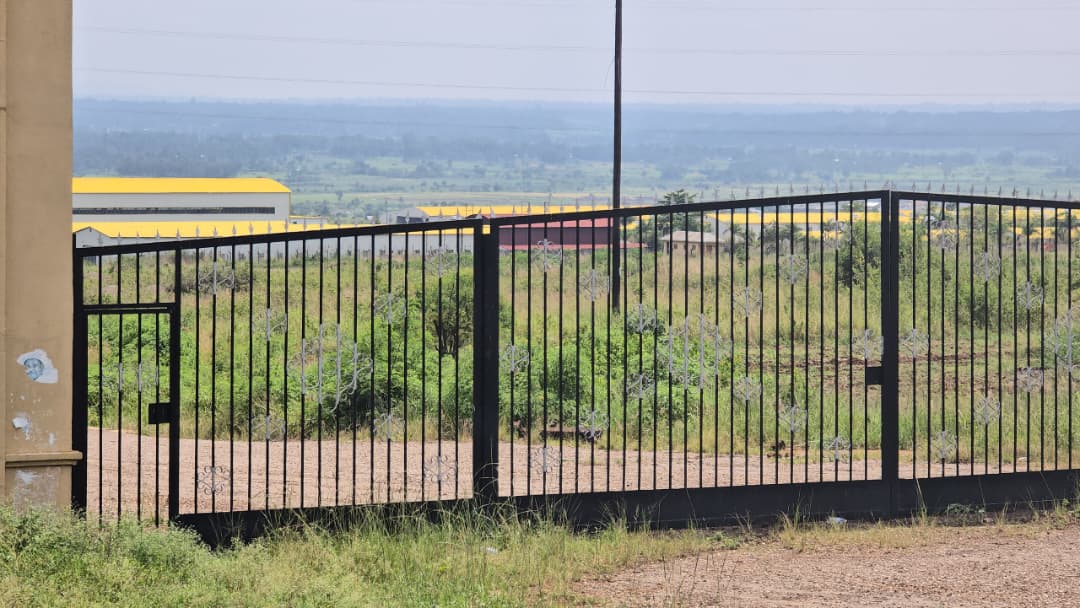
Although several government officials, including ministers, have visited the site and pledged swift intervention, local leaders say concrete progress remains limited.
They are now calling on government to secure a more capable investor to fully revive and operationalise the plant so surrounding communities can finally realise the promised employment, revenue generation and broader economic transformation.
For now, the Sukulu Phosphate Project remains a symbol of high expectations and lingering uncertainty in Tororo District.
