

At least 112 health workers supported by Medical Teams International (MTI), with funding from the United Nations High Commissioner for Refugees (UNHCR), have been recalled, validated, and redeployed across 15 integrated health facilities in Adjumani District, bringing relief to a health system that had been under severe strain.
The development follows the January layoff of 243 health workers previously supported by UNHCR through MTI, after funding constraints disrupted service delivery in the refugee-hosting district.
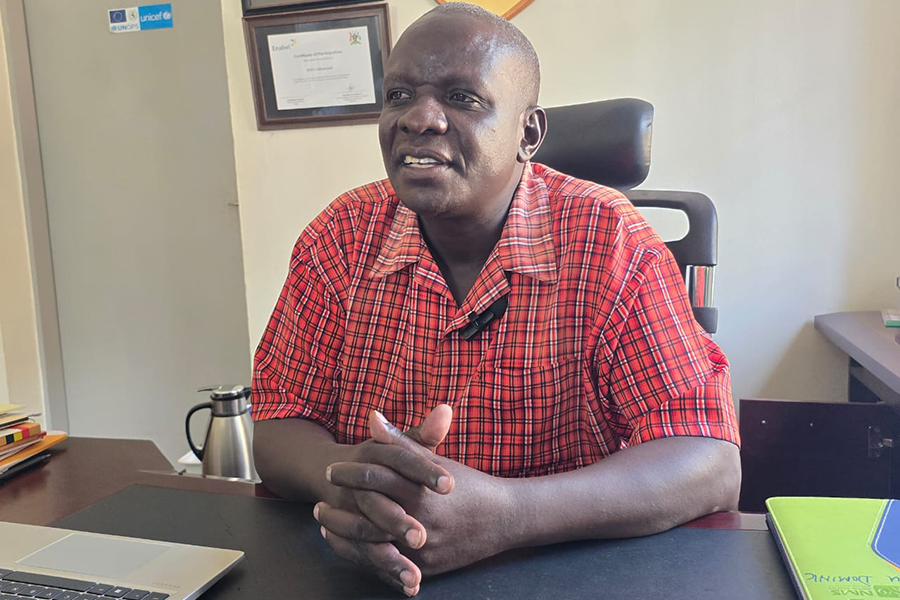
Adjumani District Health Officer, Dr. Dominic Drametu, welcomed the reinstatement, saying it is expected to restore critical health services that had been significantly affected.
“The reinstatement of these critical health workers by Medical Teams International, with support from UNHCR, will greatly improve service delivery. We expect normal healthcare services to resume for both the host communities and refugees,” Dr. Drametu said.
For months, the district has been grappling with a shortage of medical personnel, raising concerns over a potential health crisis in a region that hosts one of Uganda’s largest refugee populations.
Adjumani District LC5 Chairperson Ben Anyama earlier confirmed that the mass layoffs had left a serious gap in service delivery across integrated health facilities.
“The reports we received in January indicated that all 243 health workers had been laid off. This created a serious threat to our already overstretched health system,” Anyama said.
The layoffs triggered alarm among leaders in the West Nile sub-region, who warned that essential services such as maternal healthcare, disease prevention, and emergency response were at risk of collapsing if no intervention was made.
In response, district authorities held a series of urgent engagements with implementing partners and humanitarian agencies to seek a solution to the crisis.
“We had to urgently engage MTI and UNHCR because the situation was critical. Without intervention, we were heading towards a full-blown health crisis,” Anyama added.
Adjumani District currently hosts more than 230,000 refugees across 19 settlements, placing sustained pressure on already stretched health infrastructure and personnel.
Medical Teams International had earlier attributed the layoffs to funding constraints, while UNHCR also acknowledged financial challenges affecting continued staffing support in integrated health services.
Despite the partial reinstatement, district leaders have renewed calls for long-term and predictable funding from development partners and government to avoid recurring disruptions in service delivery.
They warn that without sustainable financing mechanisms, both refugee and host community health systems remain vulnerable to sudden shocks.
The return of the 112 health workers is now being viewed as a stabilising step for the district’s healthcare system, although stakeholders insist that deeper structural solutions are still urgently needed to secure continuity of care.
