

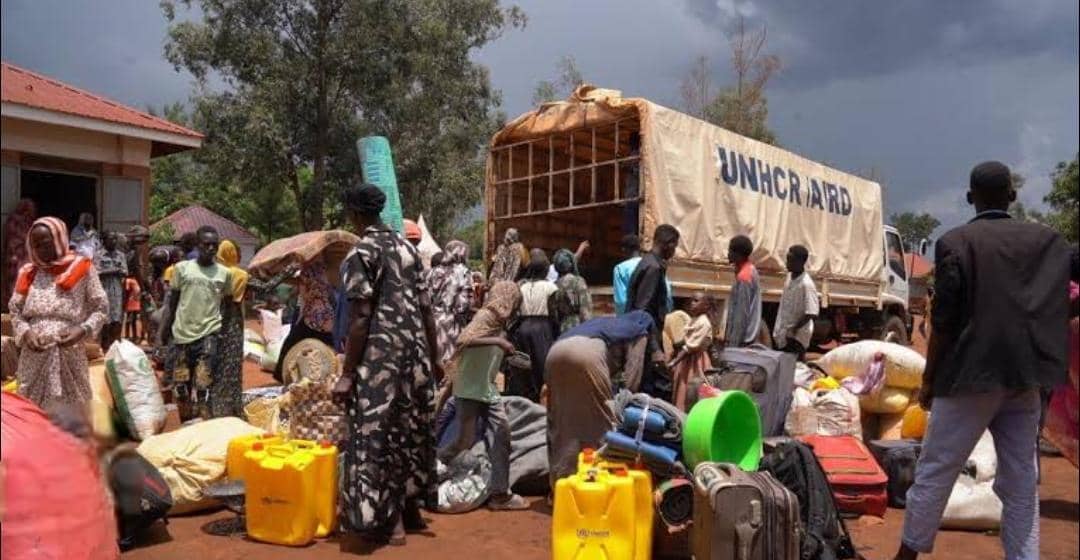
A new health initiative supported by the European Union is strengthening Uganda’s capacity to detect and respond to disease outbreaks, particularly in refugee-hosting districts where pressure on health systems continues to grow.
The programme, implemented by the International Rescue Committee in partnership with Medical Teams International, is designed to enhance epidemic preparedness and response in vulnerable communities.
It focuses on equipping both health facilities and local populations with the tools and knowledge needed to respond quickly and effectively to emerging health threats.
Uganda currently hosts nearly two million refugees, making it one of the largest refugee-hosting countries in the world. Many of the refugees have fled conflict in neighbouring countries, including the Democratic Republic of the Congo, South Sudan, and Sudan. This influx, combined with climate-related shocks and recurring disease outbreaks, has placed significant strain on health services in affected districts.
Since May 2025, the EU-funded programme has been rolled out across 15 districts and 34 sites in Uganda’s southwest, western, and West Nile/Acholi regions. The initiative adopts a district-led approach, working closely with the Ministry of Health and local authorities to strengthen systems for disease surveillance, preparedness, and response.
The project is already benefiting nearly 150,000 people, including both refugees and host communities. It focuses on improving early detection systems, strengthening coordination among stakeholders, and ensuring timely responses to potential epidemics.
Frontline health workers and community health volunteers have received specialised training to enhance disease monitoring and reporting. District authorities are also updating emergency preparedness plans for major outbreaks such as cholera, Mpox, and measles to ensure swift response when cases are detected.
A key component of the initiative is community-based surveillance, which is being reinforced through Village Health Teams. The programme also promotes a “One Health” approach by encouraging collaboration between human, animal, and environmental health systems, recognising the interconnected nature of disease emergence.
Speaking about the initiative, Elijah Okeyo highlighted the importance of sustained investment in refugee-hosting communities.
“Uganda has shown remarkable leadership in welcoming people fleeing conflict. However, districts hosting refugees are under immense pressure due to continuous arrivals, climate shocks, and recurring disease outbreaks,” he said.
“Support from the European Union is helping to strengthen local systems so that outbreaks can be detected earlier and managed faster, protecting both refugees and host communities. Investing in preparedness today is critical to preventing larger health crises in the future,” he added.
By placing district leadership at the centre of planning and response, the initiative aims to build long-term resilience and ensure sustainable, locally driven solutions to public health emergencies.
As refugee inflows persist and climate-related risks intensify, stakeholders say strengthening local preparedness systems remains essential to safeguarding vulnerable populations and preventing outbreaks from escalating into major health crises.
