

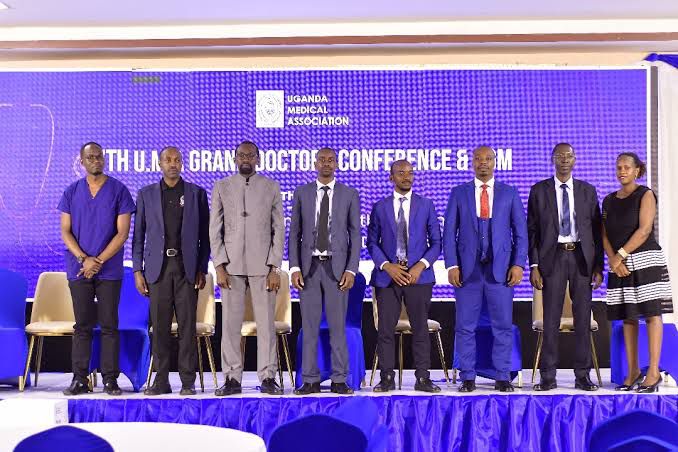
The Uganda Medical Association (UMA) has expressed concern over a ruling by the Equal Opportunities Commission (EOC) tribunal, saying it undermines expert medical guidance and threatens the quality of healthcare in the country.
UMA, which represents medical doctors in Uganda and the diaspora, accused the tribunal of disregarding the Ministry of Health’s (MoH) evidence on job specifications and requirements for leadership positions in hospitals and the wider health sector.
At the heart of the dispute is the tribunal’s interpretation of qualifications, which appeared to equate other health professionals with medical doctors holding a Bachelor of Medicine and Surgery (MBChB) or Bachelor of Dental Surgery (BDS), granting them eligibility for senior leadership roles such as Hospital Director.
“This ruling does not only contradict expert evidence, but it also risks lowering the standards of healthcare by putting people without the necessary qualifications into leadership roles meant for specialised doctors,” said Dr. Herbert Luswata, President of the Uganda Medical Association.
UMA pointed out that the Ministry of Health has long provided professional guidance to the Ministry of Public Service and the Health Service Commission, ensuring that each cadre is appointed to positions where they are best qualified.
The Ministry oversees 24 departments and professional councils, each led by specialists. Some, such as Clinical Services, Emergency Medical Services, Reproductive and Child Health, and Communicable Disease Control, require leadership by medical doctors.
Others, including Nursing and Midwifery, Environmental Health, and Pharmaceutical Services, are directed by professionals from those fields.
“This structure ensures that each department is led by the most skilled professional,” UMA emphasised. “Nurses head nursing, pharmacists head pharmacy, radiologists lead radiology, and pathologists oversee laboratory services. The WHO’s 2018 classification of health workers guides these appointments globally.”
The Association questioned the impartiality of the tribunal, warning that the ruling could set a dangerous precedent in Uganda’s health sector. It has since requested the Attorney General to appeal the case in the High Court.
“We encourage all health workers to pursue the necessary qualifications and training to attain their desired roles in the medical field, without using shortcuts that may compromise standards and the quality of healthcare,” Dr. Luswata added.
UMA insists that protecting the integrity of hospital leadership is critical to safeguarding patient safety and maintaining global standards of healthcare.
The Association has vowed to continue engaging with stakeholders to ensure that Uganda’s health system remains grounded in expertise, professionalism, and the delivery of quality medical services for all Ugandans.
