

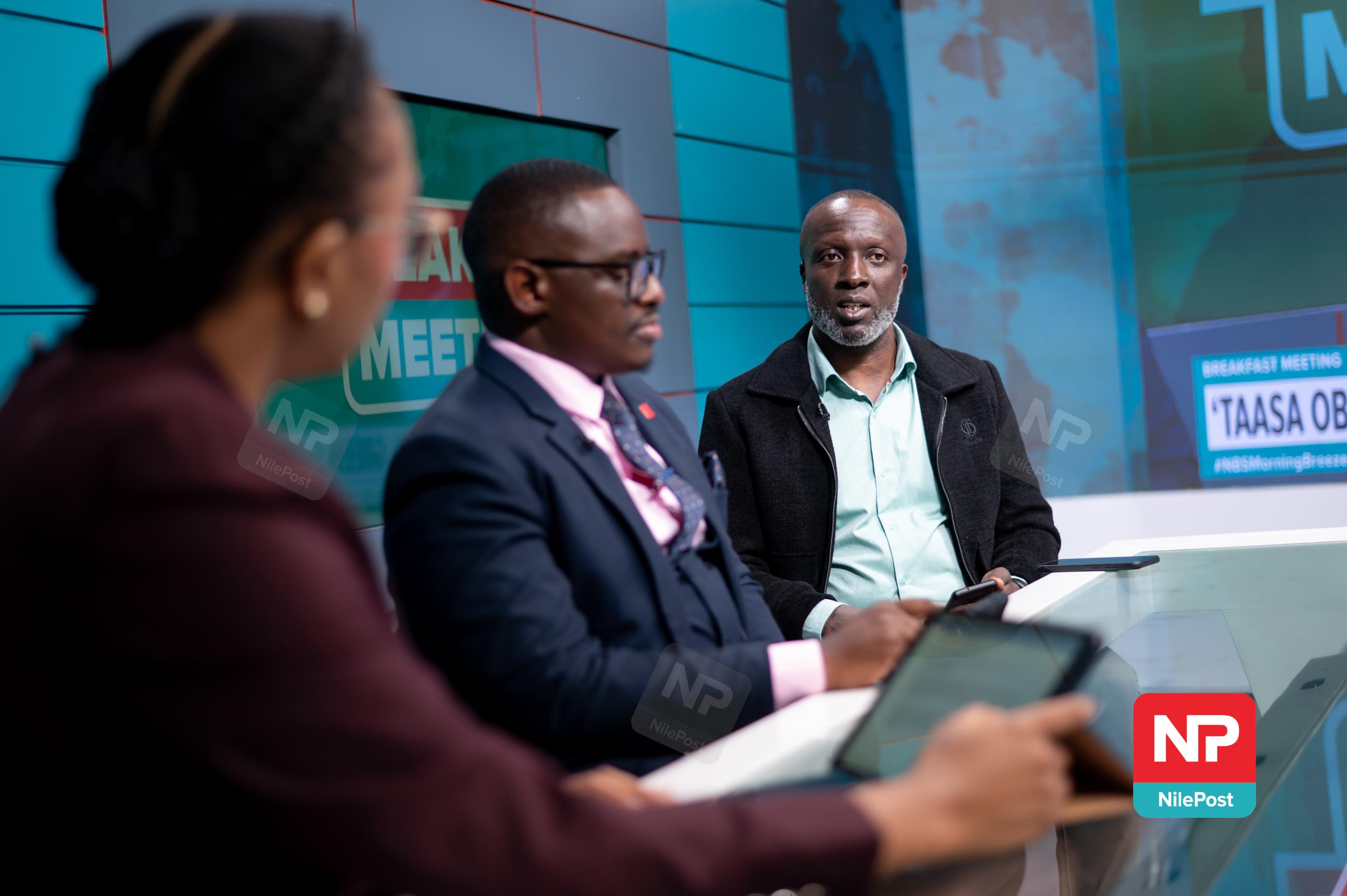
Uganda’s mounting waste management crisis, according to Idro Taban Jr., founder of Zero Waste Africa, stems from two deeply intertwined challenges: a culture of neglect and inadequate infrastructure to handle the demands of rapid urbanization.
Speaking at NBS TV’s Breakfast Meeting" ahead of the second edition of the Uganda Environment Forum 2025, Taban shed light on how changing mindsets and fostering accountability are just as critical as improving waste management systems.
“The biggest challenge we face is not just waste itself, it’s a cultural problem,” Taban said. “We’ve normalized passing responsibility to someone else. We litter, we dump, and we expect someone else to clean it up. That mindset has to change if we are to achieve sustainable waste management.”
As the implementing partner for Taasa Obutonde and Uganda Environment Forum, Zero Waste Africa is leading efforts to create a platform where policymakers, private sector players, and community leaders can explore sustainable, inclusive, and practical environmental solutions.
Founded on the belief that waste is a resource, Zero Waste Africa focuses on education, advocacy, and innovation in waste management, turning environmental challenges into opportunities for green jobs and circular economy growth.
Taban explained that the upcoming Forum will center on collective responsibility and action-oriented dialogue, addressing gaps in policy enforcement, community awareness, and corporate sustainability practices.
The Uganda Environment Forum 2025, set to convene diverse stakeholders under one roof, aims to spark a nationwide movement toward environmental responsibility and sustainable living.
Taban’s message was clear: to tackle Uganda’s waste management crisis, the country must fix the system, but first, it must fix the culture.
