

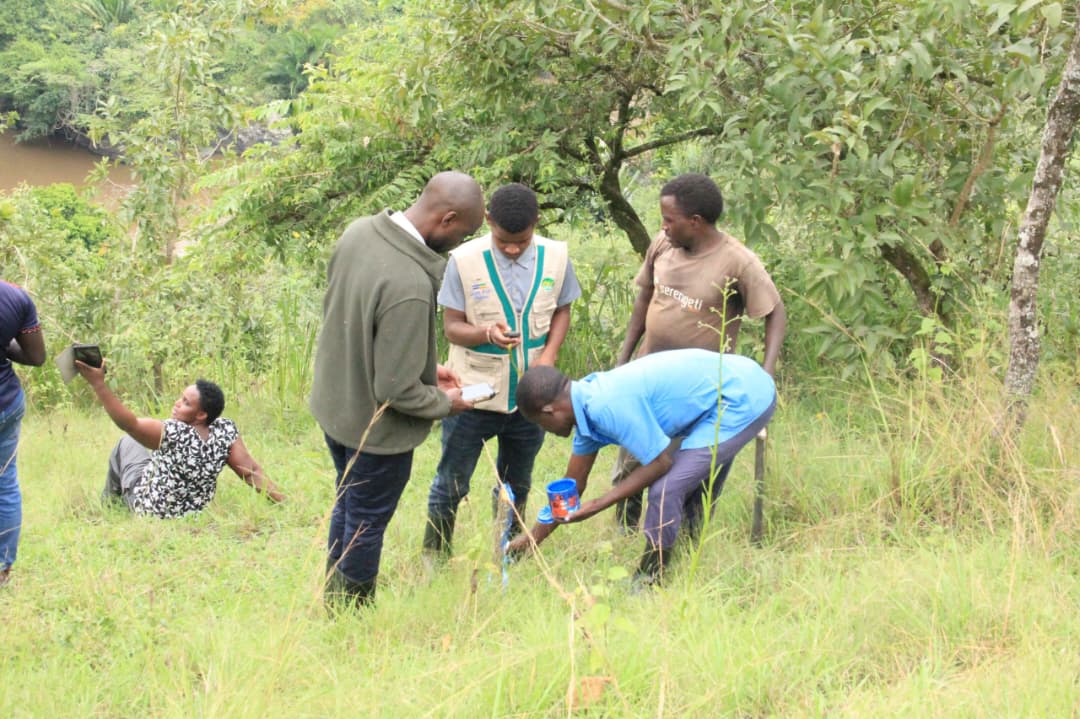
River Mpanga, once choked by human encroachment and environmental degradation, is slowly regenerating following joint restoration efforts led by local communities, government, and conservation partners.
The initiative, spearheaded by the Joint Efforts to Save the Environment (JESE) and the Natural Resources Defence Initiatives (NRDI), in partnership with the Ministry of Water and Environment and supported by Join For Water, is being implemented under the Integrated Water Resource Management program.
It aims to improve access to safe water, protect water sources, and promote sustainable livelihoods across the Mpanga and Semliki catchments.
Restoration activities have included opening 100-meter buffer zones, tree planting, sensitization campaigns, and promoting alternative environment-friendly income-generating activities in Kabarole, Kamwenge, and Kitagwenda districts, areas where the river faces its greatest threats.
Community members say the impact is already visible.
James Butcher, a resident of Kekubo Parish in Kanara Sub-County, Kitagwenda, said before JESE’s intervention, the riverbanks had been heavily degraded due to cultivation.
"The area had lost its thickness because of human activities, but now it is steadily regenerating," he said.
"We have also been supported with alternative income activities like apiary and fruit farming, which allow us to earn without encroaching on the river.”
However, experts warn that challenges remain. Dr. Emmanuel Guma, Team Leader at the Albertine Water Management Zone under the Ministry of Water and Environment, observed: “Unsustainable human activities remain a major challenge to the interventions of our partners.”
Local leaders remain optimistic. Doreen Nankunda, secretary for production and natural resources in Kitagwenda, said before the demarcation exercise, residents were sensitized on the need to protect the buffer zones.
"They have actively embraced the interventions, and we are grateful to JESE and other partners for their contribution,” Nankunda said.
NRDI is also working directly with farmers to encourage participation. Benon Twijukye, a field extension officer with the organization, explained:
“We have trained farmers to raise and propagate tree species, including fruit trees, and partnered with institutions to plant them. We provide trees to communities free of charge to encourage participation.”
One beneficiary, Abdhu Kanyarwanda, confirmed: “NRDI supported me with trees to plant on my land, which has helped me contribute to the restoration.”
At the district level, structures have been put in place to ensure sustainability.
Dr Richard Rwabuhinga, Kabarole District chairperson and head of the Mpanga Catchment Management Committee, emphasized: “We instituted a management plan and committee to guide and monitor restoration activities to ensure the project succeeds.”
Program managers agree that raising awareness is key to long-term success. George Bwambale, at Join For Water, stressed: “Continuous sensitization from the lowest levels to the district level is essential if people are to appreciate the importance of restoring and conserving water resources.”
NRDI is also making progress in Fort Portal City. Benon Bwalhuma, the organization’s program manager, said they have demarcated over 60 kilometres of encroached land and supported more than 200 households with ecological sanitation.
"But challenges remain, including political interference and people who undervalue these initiatives. We are addressing this through multi-stakeholder engagement," he added.
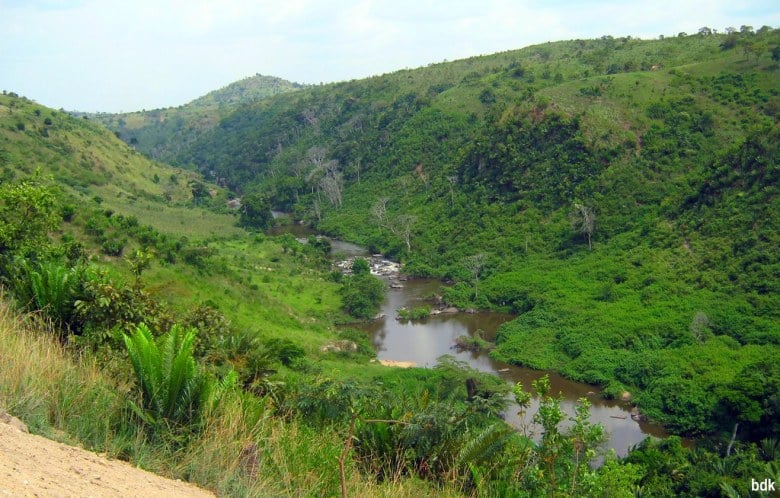
River Mpanga, which originates from the Rwenzori Mountains and flows through Kabarole, Kyenjojo, Kamwenge, and Kitagwenda districts before draining into Lake George, plays a vital role in supporting communities, agriculture, and the Mpanga Power Station.
Yet, it continues to face threats from deforestation, pollution, and sand mining.
Despite the challenges, conservationists believe that with joint action from communities, government, and partners, the river can be restored to secure water resources and livelihoods for future generations.
