

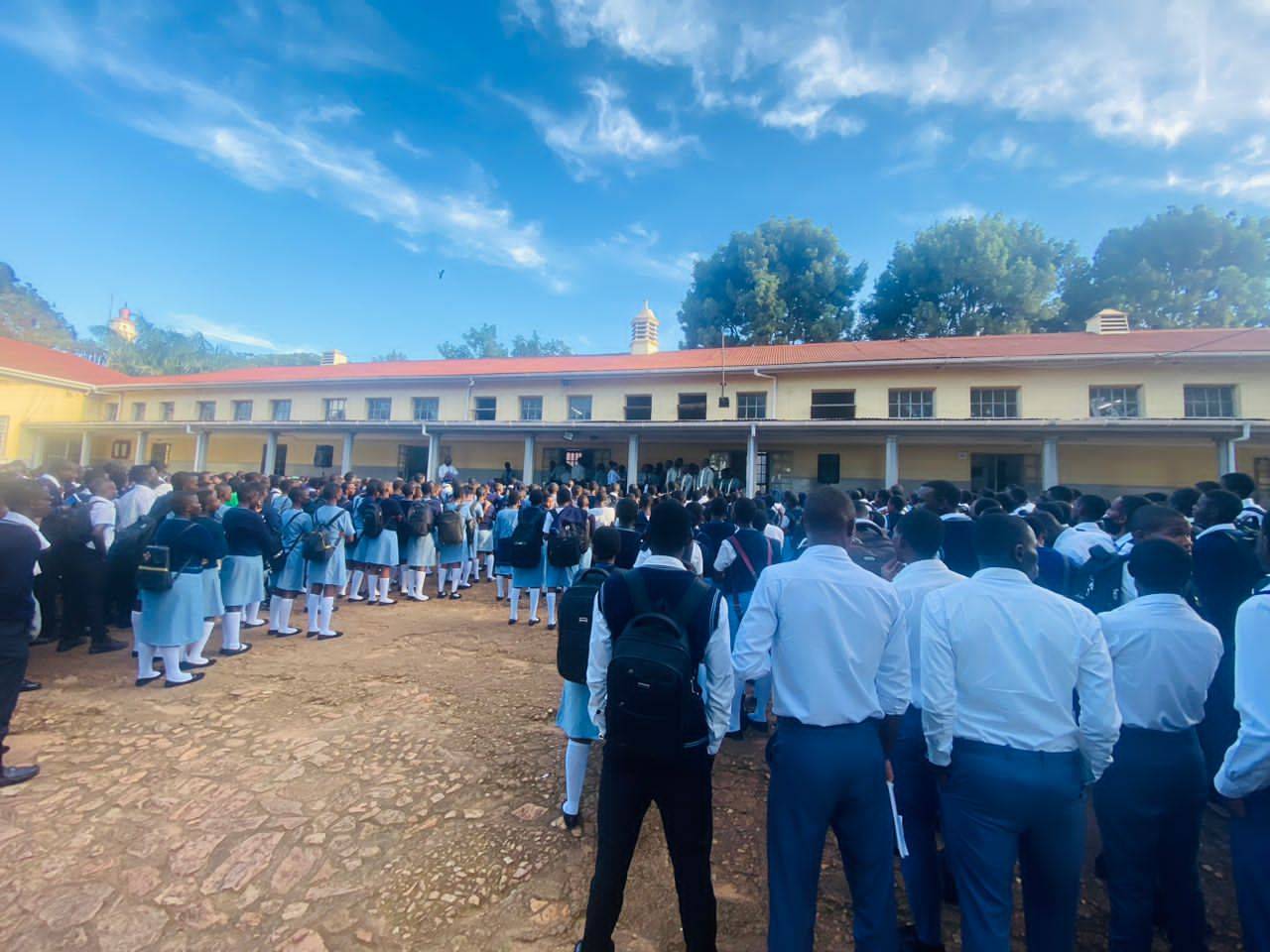
A major leadership change at Old Kampala Secondary School has sparked debate over governance and transparency in the capital.
The Kampala Capital City Authority (KCCA) replaced long-serving board members Tom Darlington Balojja and Johny Egessa Odoki Sandy with Nkabira Namuddu and Geoffrey Nsereko.
Announced via a public post, the shakeup is being interpreted as part of a strategic effort by KCCA to assert greater control over educational institutions, amid a broader campaign of urban reforms.
The Authority has not publicly explained the rationale behind the changes, raising eyebrows in a city where KCCA has long been criticized for opaque decision-making since its 2011 establishment.
“This isn’t just a school board change. It’s a signal,” said a senior education officer familiar with the developments, speaking on condition of anonymity. “KCCA is clearly realigning institutions, and education is now part of that realignment.”
The timing appears deliberate. The move comes just weeks before KCCA’s planned commissioning of a new Traffic Control Centre, a high-tech project supported by the Japan International Cooperation Agency (JICA).
Slated to open by the end of August 2025, the facility is part of efforts to modernize Kampala’s infrastructure in response to a 6.4% spike in road crashes in 2024, which saw over 25,000 reported incidents, according to Uganda Police.
“There’s a narrative being pushed that development is holistic—that fixing roads and reforming schools go hand in hand,” noted urban policy analyst Dr Sarah Katende.
“But the lack of transparency around how and why certain people are removed from public boards undermines that message.”

The changes have reignited speculation about political undercurrents within Kampala’s governance.
Lord Mayor Erias Lukwago, tagged in the announcement post and a vocal critic of KCCA’s leadership, has a history of clashes with the Authority.
It remains unclear whether these board changes reflect his influence or defiance of it.
Speaking at a separate city education forum earlier this week, Lukwago warned against “politicizing school management,” saying,
“Our children’s futures should not be determined by shadowy boardroom deals. Transparency and merit must guide all appointments.”
Community members and alumni of Old Kampala SS have expressed mixed reactions.
Some welcomed the fresh leadership, hoping it would bring innovation and better governance, while others voiced concerns about stability and continuity in one of Kampala’s most prominent public schools.
“The school needs strong leadership, yes, but it also needs consistency,” said James Walusimbi, an Old Kampala SS alumnus and education advocate.
“If these changes are part of a larger vision, then the public deserves to be told what that vision is.”
As Kampala moves forward with ambitious development goals, the intersection of education, infrastructure, and politics remains a contentious space, particularly as the city balances reform with public trust.
