

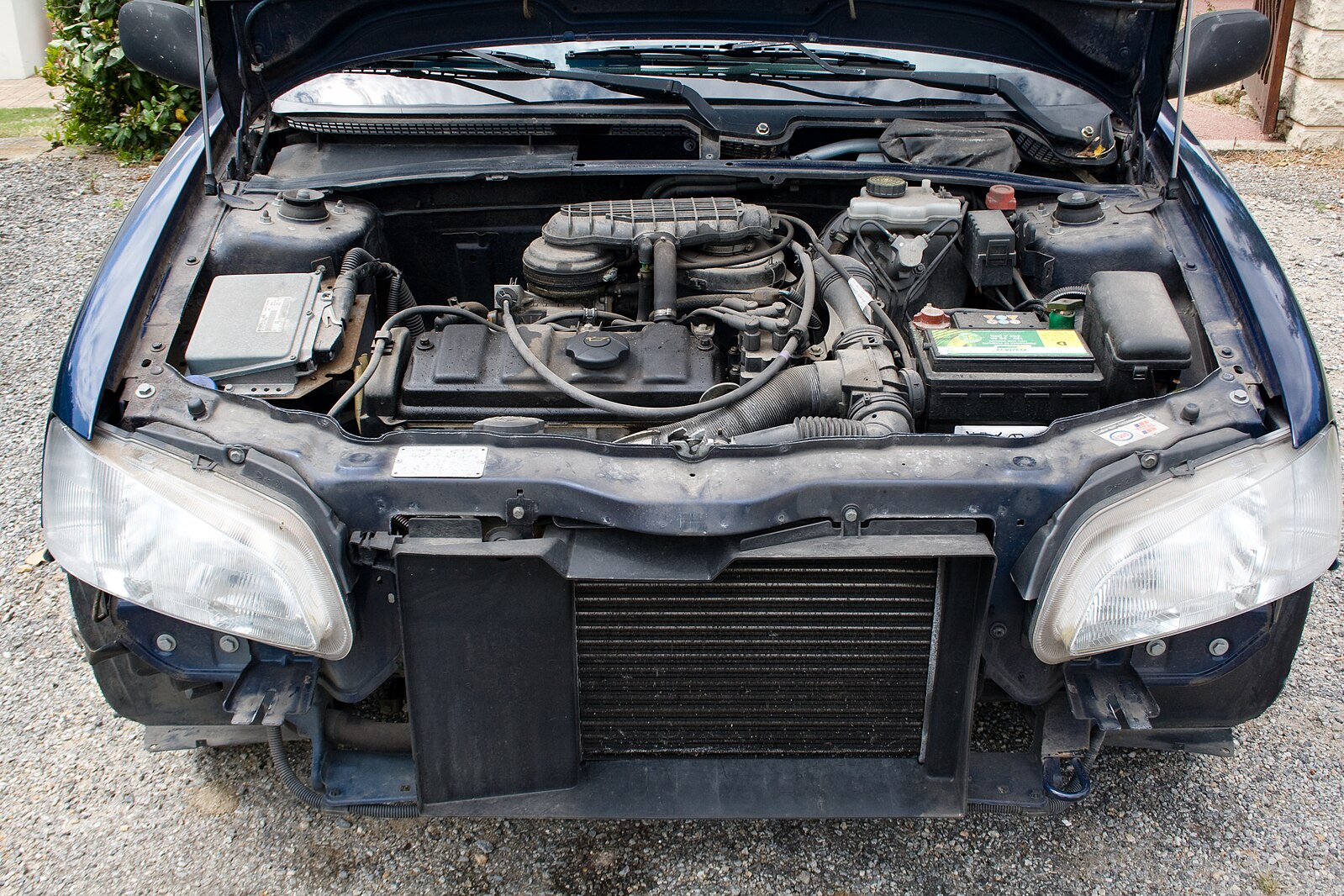
A radiator is critical equipment for every modern vehicle. Attempting to drive with a damaged one will lead to short trips and hefty repair bills. Here’s what it looks like if your radiator is starting to have trouble or is already on its way out. If you notice any of these things, get your car checked out ASAP.
Overheating
High temperatures are often the first sign that something is up with your radiator. This is because neglect or unseen damage can lower coolant levels, and then the system doesn’t have enough fluid to cool the engine. You’ll notice the temperature gauge rising and reduced performance. Hopefully, you’ll get a check engine light before anything expensive breaks.
Damaged fins
The aluminium radiator provides greater surface area than flat metal, transferring more heat into the air. If the fins take damage from rocks or a minor fender-bender, the radiator loses effectiveness. A few bent fins are fine. But if you’re inspecting a used car with heavily damaged fins, then keep an eye on the temperature gauge on your test drive.
Leaking coolant
If you notice a puddle of green fluid under your vehicle, you could soon have a radiator issue. The cooling system is sealed and should not leak. Cracks can happen in the radiator inlet or outlet, or coolant hoses can become brittle and cracked with age.
Dirty/sludgy coolant
Very few systems in a vehicle are maintenance-free. Leave your engine oil in place too long and it becomes filthy and sludgy. The same is true of the cooling system. That coolant, left for years, becomes corrosive. The rust-inhibitors stop working as the coolant starts wearing down the engine’s internal parts. Change this coolant ASAP.
Engine smoke
Low coolant can cause an overheated engine, which causes metal parts to expand at different rates, in turn causing damage like broken head gaskets. Coolant gets into the engine and burns off as sweet-smelling white smoke. This one is serious, so just pull over and turn off the engine. You’ll need to have the car towed to a shop.
How to maintain your radiator
Hopefully, you change your oil to maintain your engine. You’ll follow a similar process to maintain your radiator and extend its service life. When you change your engine oil, take a glance at the engine coolant level. It should be near the corresponding “hot” or “cold” lines on the reservoir, depending on engine temperature. If it’s low, top it up with the coolant type recommended in your owner’s manual. Be on the lookout for leaks.
If the coolant needs to be mixed with water, be sure to only use distilled water. Also check your manual for the radiator refill schedule.
Nelson Xavier Ssenyange
Team Leader
Germax Autos, Spares & Garage Ltd
Lukade Road, Naalya
0779250886/0752088734
