

Uganda’s boda boda sector, long a backbone of urban transport and daily commerce, is undergoing a gradual transformation as rising fuel costs push riders to explore electric mobility alternatives.
For years, operators in the motorcycle taxi industry have struggled with fluctuating petrol prices, which continue to erode already thin profit margins. Recent and proposed fuel tax adjustments—combined with pump prices ranging between shs 5,300 and shs 6,000 per litre—have intensified pressure on riders whose daily earnings depend heavily on fuel expenditure.
Industry observers note that fuel remains one of the largest operational costs for boda boda riders, often consuming a significant portion of daily income after accounting for motorcycle rentals or loan repayments. As a result, many riders are forced to raise fares—risking a drop in customers—or work longer hours to maintain earnings, increasing fatigue and safety risks.
The impact extends beyond the transport sector, contributing to rising costs in agriculture, trade, and household goods, as higher transport expenses are passed on to consumers.
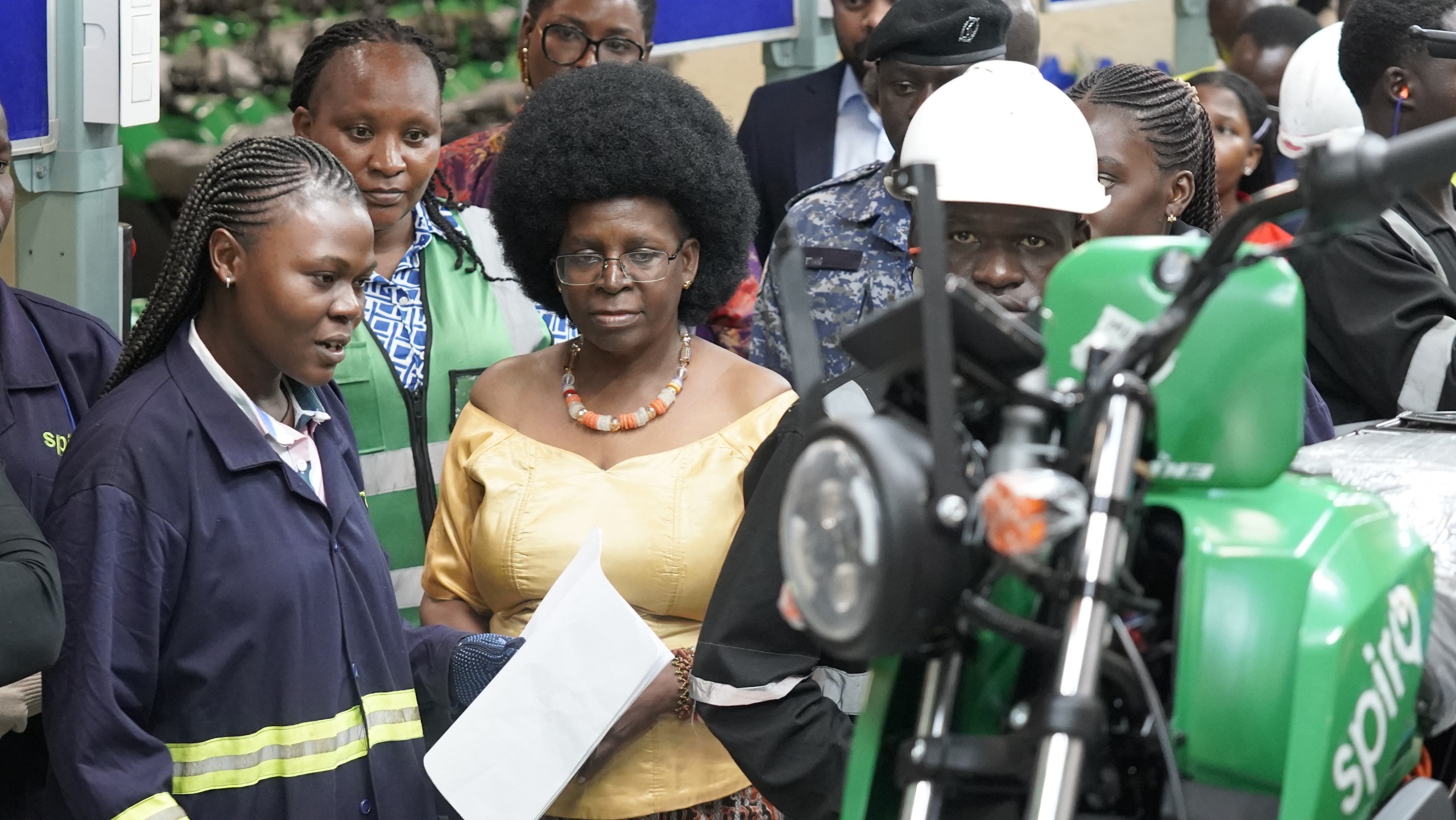
Against this backdrop, electric motorcycles are emerging as a viable alternative. Companies such as Spiro Uganda, Zembo, MOGO, and GOGO are introducing battery-powered bikes that operate on a swap-based energy model.
Unlike petrol-powered motorcycles, which are subject to frequent price fluctuations, electric bikes rely on battery swapping systems with more predictable costs. A typical battery swap can power a motorcycle for up to 100 kilometres at a relatively stable fee, allowing riders to retain a larger share of their daily earnings.
Bruce Mucunguzi, the Deputy country director for Spiro Uganda said the shift is already making a difference for riders.
“Electric mobility is giving boda boda riders a more predictable and affordable way to operate. Instead of spending most of their income on fuel, they are able to start earning almost immediately after a battery swap,” Mucunguzi said.
He added that beyond cost savings, electric motorcycles are helping riders plan better financially. “With stable energy costs and lower maintenance requirements, riders are better able to manage their daily expenses and loan repayments,” Atim noted.
Electric bikes also offer reduced maintenance needs, as they have fewer moving parts and do not require oil changes, minimizing downtime and repair costs.
Beyond economic benefits, the transition carries environmental and health advantages. Electric motorcycles produce zero tailpipe emissions, unlike petrol-powered bikes that emit carbon dioxide and other pollutants. Estimates suggest that a typical petrol motorcycle emits between 70 and 90 grams of CO₂ per kilometre.
According to data from Spiro Uganda, the deployment of over 20,000 electric motorcycles across the country is contributing to a significant reduction in carbon emissions annually.
The shift aligns with Uganda’s broader policy direction. Under the National E-Mobility Strategy spearheaded by the Ministry of Science, Technology and Innovation, the government aims to transition public transport to electric mobility by 2030 and achieve 100 percent electric vehicle sales by 2040.
As fuel costs continue to rise, stakeholders say the conversation is increasingly shifting from whether riders are feeling the strain to how quickly the country can adopt cleaner, more sustainable transport solutions.
For many boda boda riders, electric mobility is no longer a distant concept but a practical pathway toward stable incomes and a more resilient future.
