

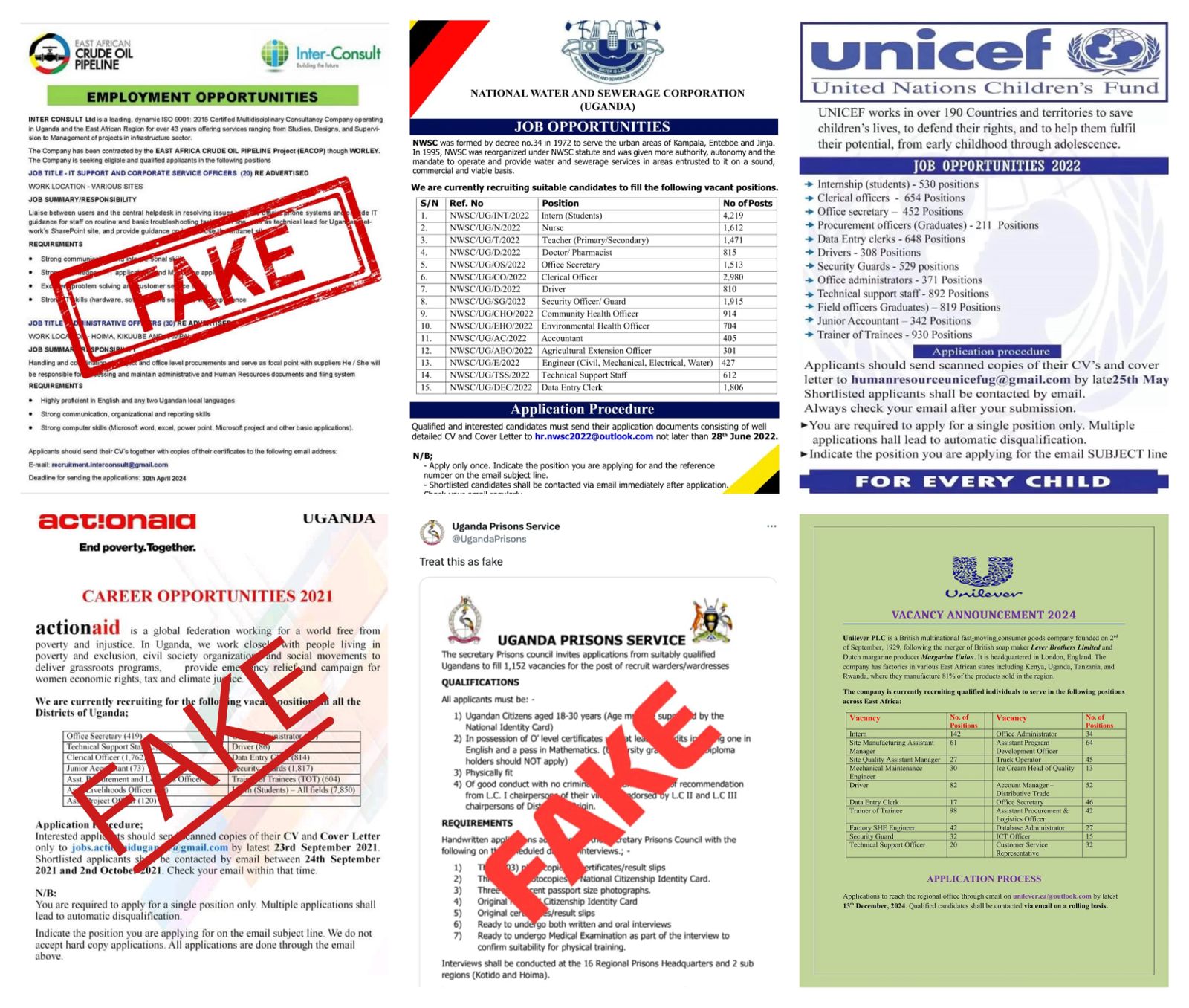
The convenience of digital platforms has transformed job hunting, making opportunities more accessible than ever. However, this accessibility has also opened the door to scammers using fake job adverts to exploit unsuspecting job seekers. These scams are often designed to steal personal information, money, or both, leaving victims vulnerable and frustrated.
With a growing number of job seekers falling prey to these tactics, it's vital to know how to identify and avoid fake job adverts. Here’s a detailed guide to help you stay vigilant:
Analyze the Source
Trusted Platforms: Always begin your job search on reliable platforms, such as established job boards, company websites, or verified social media accounts. Scammers often target less-regulated spaces like free classified sites or unverified platforms, so stick to trusted sources.
Verify the Poster: Legitimate job adverts are typically posted by a company’s official account or a recognized recruitment partner. Reputable employers advertise through their:
Official Websites: Visit the company’s career page to confirm the listing.
Trusted Newspapers: Many organizations still use traditional media for recruitment.
If an advert appears on a questionable platform without additional verification elsewhere, proceed with caution.
Examine the Company
Research the Employer: Start by searching for the company online. Genuine organizations will have:
- An official website with proper contact details.
- An active presence on platforms like LinkedIn or Instagram.
If you can’t find any online presence or if the website looks unprofessional, it could be a red flag.
Verify Contact Information
Legitimate employers use corporate email domains (e.g., @companyname.com) rather than personal ones like @gmail.com or @yahoo.com. Cross-check contact details, including email addresses and phone numbers, with the company’s official website.
Evaluate the Job Details
Too Good to Be True
- Beware of job offers that promise Excessively high salaries for minimal experience or qualifications.
- Unrealistic perks, such as free luxury cars or paid vacations for entry-level roles.
- If the benefits seem disproportionate to the position, it’s likely a scam.
Vague Descriptions
Authentic job adverts include clear descriptions of:
- Roles and responsibilities.
- Required qualifications.
- Expected work location or remote working conditions.
A lack of specific information is often a tactic to lure as many applicants as possible.
Be Wary of Upfront Requests
No Fees Should Be Involved: A legitimate employer will never ask for money at any stage of the recruitment process. If the advert requires fees for:
- Applications or registration.
- Training materials.
- Uniforms or equipment.
It’s almost certainly a scam.
Protect Your Personal Information: Avoid sharing sensitive data like your national ID number, passport details, or bank information during the initial stages of the hiring process.
Check for Red Flags in Communication
Urgency and Pressure: Scammers often push for immediate action, such as “Apply now to secure your spot!” Genuine employers allow candidates enough time to apply, interview, and consider offers.
Poor Grammar and Spelling: Professional organizations maintain high communication standards. Frequent errors in the job advert or follow-up emails are strong indicators of a scam.
Verify the Hiring Process
Conducted Over Professional Channels: Real companies use reputable channels for interviews, such as: Video conferencing tools like Zoom or Microsoft Teams.
In-person interviews at company offices: If an interview is conducted via WhatsApp or other unprofessional means, it’s a warning sign.
Interviews Are Essential: Legitimate companies conduct thorough interviews before making offers. Be skeptical of offers made without any formal discussion or evaluation.
Trust Your Instincts: If something doesn’t feel right, trust your gut. Pause and verify the job advert by contacting the company directly using official contact details. It’s better to miss a dubious opportunity than to fall victim to a scam.
What to Do If You Spot a Fake Job Advert
If you come across a fake job advert, here’s how you can act responsibly:
- Report It: Notify the platform where the advert was posted to have it removed.
- Inform the Company: If the scam uses a real company’s name, alert them so they can take action.
- Warn Others: Share your experience on social media or community forums to protect others from falling into the same trap.
- Contact Fact-Checking Teams: Reach out to desks like DisMisFakeNews to verify and debunk fake job adverts.
Fake job adverts prey on desperation and trust, often leaving victims financially and emotionally drained. By following the steps outlined above and staying vigilant, you can protect yourself from these scams and make your job search safer and more effective. Remember, if a job offer seems too good to be true, it probably is!
