

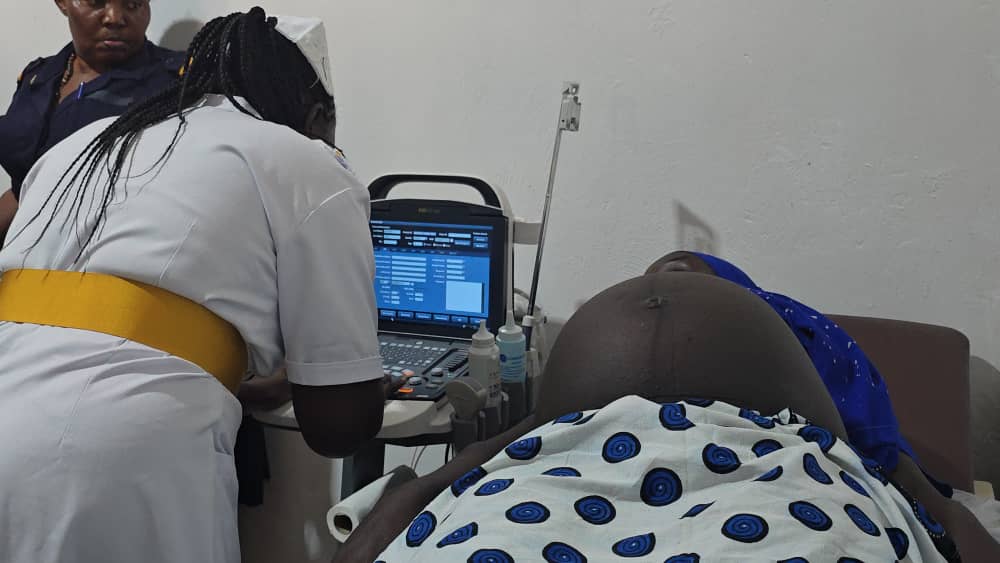
Medical professionals are warning that skipping antenatal care puts mothers and babies at risk, as Uganda intensifies efforts to reduce preventable maternal and newborn deaths.
Health experts are calling on expectant mothers across Uganda to prioritise antenatal care, warning that missing routine check-ups significantly increases the risk of complications during pregnancy and childbirth.
According to the Ministry of Health Uganda, antenatal care remains one of the most effective ways to detect and prevent complications, monitor fetal development, and prepare mothers for safe delivery.
Richard Mugahi, Commissioner for Maternal and Child Health, says many life-threatening conditions such as high blood pressure, anemia, and infections often go unnoticed without proper medical supervision.
Left unmanaged, these conditions can lead to severe complications, including maternal and newborn deaths.
Health specialists note that antenatal visits also help determine whether a mother may require specialised care during delivery, including referrals to higher-level facilities or the need for a Caesarean section in complicated cases.
At Kawempe National Referral Hospital, doctors say they frequently receive emergency cases involving mothers who did not attend antenatal care, making it more difficult to manage preventable complications.
Emmanuel Byaruhanga, the hospital’s Executive Director, emphasised that antenatal care goes beyond routine check-ups.
It also provides critical health education, including guidance on proper nutrition, birth preparedness, breastfeeding, and recognising danger signs during pregnancy.
Medical experts add that antenatal visits offer access to essential services such as vaccinations, HIV testing, and counselling—interventions that are vital for protecting both mother and child.
Despite its importance, some women continue to delay or miss antenatal care due to long distances to health facilities, financial constraints, limited awareness, and, in some cases, cultural beliefs or fear of medical procedures.
Experts warn that these barriers contribute to preventable complications and deaths, particularly in rural and underserved communities.
The Ministry of Health recommends that expectant mothers begin antenatal care early—preferably in the first trimester—and complete the recommended number of visits throughout pregnancy.
Health officials stress that consistent antenatal care significantly improves the chances of safe delivery and healthier outcomes for both mother and baby, as Uganda continues its efforts to reduce maternal and newborn mortality.
